
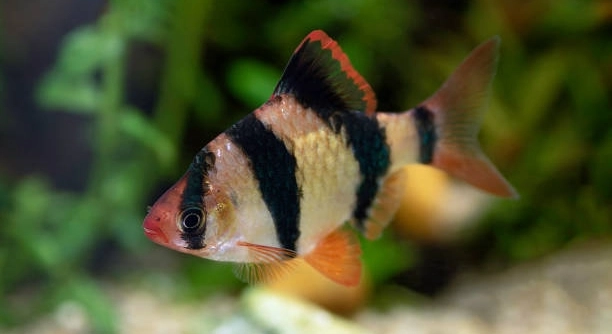
Do your tiger barbs twitch or shiver when they swim near plants in your aquarium? This behavior might seem odd at first, especially if your fish usually act calm and steady in other parts of the tank.
The twitching behavior in tiger barbs near plants is often linked to natural instincts, including territorial displays, mating rituals, or sensory responses to changes in water flow and plant movement. These actions are typically harmless and behaviorally driven.
This behavior may appear strange, but it often reflects your fish’s environment and instincts. Understanding the reasons can help you care for them better and keep their habitat comfortable and safe.
What Triggers Twitching Near Plants
Tiger barbs are active fish that often react to their environment in subtle ways. When they twitch near plants, it usually points to natural behaviors rather than health concerns. Plants can create slight changes in water flow, offer hiding spots, or signal territory. In some cases, males might twitch as a way of attracting females or establishing dominance. The behavior can also be tied to minor shifts in lighting or water temperature near plants. While it may look unusual, it’s often just part of how these fish interact with their surroundings. As long as they are eating, swimming well, and not showing signs of illness, there’s usually no need to worry. If the twitching is constant and includes other symptoms like gasping or hiding, you might want to check the water quality or look for parasites. But in most cases, this twitching is just typical tiger barb behavior.
Plants often attract attention due to their structure and movement, prompting a reaction from nearby fish. This response is usually brief and harmless.
If your tiger barbs are twitching mostly near planted areas, try watching their body language throughout the day. You might notice patterns tied to feeding times, tank mates, or even new decorations.
When to Be Concerned
Some twitching can signal stress or irritation. If the behavior is sudden and paired with symptoms like clamped fins, unusual swimming patterns, or loss of appetite, it’s best to act quickly.
In a well-maintained aquarium, twitching near plants is usually normal. However, when twitching becomes excessive or is paired with other concerning signs, it’s important to examine the water conditions. Start by testing for ammonia, nitrites, and nitrates. High levels of waste can irritate the fish’s skin and gills. Also check for sharp temperature changes or lack of oxygen, especially around dense plants where circulation may be limited. Look closely at the fish for signs of external parasites like ich, which often show up as white spots. Sometimes, twitching could be a sign of poor diet or internal parasites. If in doubt, observe your entire tank setup and consider isolating the affected fish for closer monitoring. Acting early can help prevent larger issues and ensure your tiger barbs stay healthy and active.
How Environment Affects Their Reactions
Tank conditions play a big role in how tiger barbs behave. Sudden changes in lighting, temperature, or water flow near plants can trigger twitching. These fish are sensitive to shifts in their surroundings, especially in areas that look or feel different.
If your tank has strong currents, plants can create small pockets of still water. This contrast in flow might cause a fish to respond with twitch-like movements. Lighting that reflects or flickers through plant leaves can also startle them. Keep lighting consistent and avoid sudden brightness changes. Make sure the temperature stays steady throughout the tank, especially if it’s large. Inconsistent heating may lead to small zones of cooler water that make your fish uncomfortable. This discomfort may appear as twitching. Try watching how they act after a water change or when adjusting lights—they often respond to even tiny shifts in their environment.
Planted tanks often have layers of shade and light, especially under tall or bushy leaves. Fish sometimes twitch or react as they swim between these different zones. If they feel surprised or sense movement, they might shiver briefly before returning to normal swimming. This is common and usually harmless if water quality is good.
Behavior Linked to Mating or Territory
Twitching near plants can be part of courtship. Male tiger barbs sometimes perform quick body movements to attract females, especially near spots they’ve chosen for potential spawning.
Plants offer cover and safety, which makes them a popular spot for breeding behaviors. Males might twitch, circle, or chase near leafy areas to show off or claim a space. Females may linger nearby or move away, depending on interest. These actions are often short and repeat over a few hours or days. You might also see the male guarding a patch of plants or nudging at a female. This behavior is normal and typically doesn’t need interference unless it leads to aggressive chasing or nipping. In that case, it may help to rearrange decorations or add more plants to reduce tension. Watching closely during these times can give you better insight into what’s going on in their social structure.
Tank Mates and Social Dynamics
Tiger barbs are known for their active and sometimes aggressive nature. If they twitch near plants, it may be a response to nearby tank mates invading their space. This is more common in crowded or unbalanced tanks.
Fish lower in the pecking order might also twitch more often. It can be a stress response, especially if they’re being chased or outcompeted. Keeping a proper group size and avoiding slow-moving fish can help reduce tension.
How to Adjust the Setup
To reduce twitching caused by stress, try adjusting the tank layout. Spread out plant clusters to break up line of sight and give fish more areas to explore or hide. Avoid placing all decor on one side. Use a mix of tall and short plants to balance cover and open swimming space. Make sure your filter isn’t pushing water too hard in one direction, especially near dense plant zones. Moderate flow helps prevent overstimulation in certain areas. A few small changes can shift behavior quickly. Watch how they respond over several days to see if the new layout helps them feel more at ease.
Final Thoughts on Twitching
Not all twitching is a problem. In many cases, it’s part of how tiger barbs interact with their space and each other.
FAQ
Why do my tiger barbs only twitch near certain plants?
Some plants create more shade or movement in the water than others. Tall, leafy plants may sway more with the current, which can catch a fish’s attention. Tiger barbs are sensitive to motion and changes in lighting. If they only twitch near specific plants, it’s likely those plants create a unique visual or physical environment. It could be that those areas feel more like hiding spots or potential spawning zones. You may also notice they return to those same spots regularly, which supports the idea of habit or territory.
Could this behavior mean they’re sick?
Twitching alone doesn’t always mean illness. If the fish are active, eating, and look healthy, it’s likely normal. But if you notice other signs like white spots, clamped fins, faded color, or irregular swimming, then something may be wrong. Twitching paired with scratching against plants or objects could also be a sign of parasites or poor water quality. Testing your water and observing all your fish—not just one—can help you figure out if it’s health-related or just normal behavior.
How many tiger barbs should I keep together to reduce stress-related twitching?
Tiger barbs are schooling fish and should be kept in groups of at least six, but more is usually better. Small groups can lead to aggression and stress, as the fish don’t have enough members to form a stable social structure. With larger groups, the chasing and dominant behavior spreads out, making it easier for the less dominant fish to relax. When their social balance is right, you may notice less nervous behavior like twitching near plants.
Do changes in lighting cause twitching?
Yes, lighting can make a big difference. Sudden changes, such as turning a bright light on quickly, may startle your fish. Flickering or shifting shadows—especially those created by tall plants—can also cause short bursts of twitching or fast swimming. Try using a timer to slowly increase or decrease light levels during the day. Soft lighting and consistent routines help your tiger barbs feel more comfortable and less reactive.
Should I move or remove certain plants if the twitching keeps happening?
Only if you see signs of distress. If the behavior is constant, paired with hiding or other strange movements, then adjusting the layout might help. Try trimming back tall plants or spreading them out more. You can also replace some with smaller species to reduce heavy coverage. The goal is to create a balanced space where your fish can swim freely without being overwhelmed. But if the fish seem otherwise healthy, you may not need to change anything.
Can diet affect how they behave near plants?
Yes, diet can influence overall behavior. A fish that isn’t getting enough nutrition may show restlessness or twitchiness. Make sure your tiger barbs are getting a mix of high-quality flakes, pellets, and occasional live or frozen food. If they’re healthy and well-fed, they’re less likely to act out from stress or agitation. Underfed fish might also become more territorial about space or behave oddly during feeding times, especially near cover like plants.
How can I tell if the twitching is just part of play or something more serious?
Playful twitching usually looks light, quick, and doesn’t repeat constantly. The fish will swim normally before and after, and other tank mates may join in or ignore it. Serious signs include twitching that leads to hiding, loss of color, labored breathing, or isolation from the group. Watch closely for patterns over time. If everything else looks normal, it’s likely just a behavioral quirk, not a problem.
Is it okay if only one fish twitches?
Yes, that can be normal. One fish might be lower in the group’s social structure, or more sensitive to surroundings. Some fish have stronger personalities or react differently to things like plants, light, or even small sounds. As long as the fish is otherwise healthy and not being bullied, the twitching might just be individual behavior. Keep an eye on it, but don’t panic right away.
Can filters or equipment placement affect twitching behavior?
Absolutely. Filters can create strong currents that change how water flows around plants. If your equipment is pushing too much water toward certain areas, it might cause plants to sway or flutter. This motion can startle fish or make them feel unsettled. Try adjusting the output flow or using a sponge filter to soften the movement. Creating a gentler, more even current may reduce the twitching.
Do tiger barbs always twitch near plants when they’re about to spawn?
Not always, but it’s common. Twitching can be part of their courtship display, especially from the males. It’s usually paired with chasing or nudging behavior. If you have both males and females in the tank, watch how they interact. You may even notice small eggs near the plant leaves if spawning does occur. This behavior often happens more in the morning or after a water change.
Final Thoughts
Twitching near plants is a behavior that many tiger barb owners notice at some point. While it can look strange, it’s often tied to normal habits like exploring, reacting to movement, or interacting with their environment. Tiger barbs are energetic fish, and they respond quickly to changes in light, water flow, and even the presence of other fish. Plants naturally create little shifts in how the water feels and looks, so it’s not surprising that some fish twitch or shiver around them. In many cases, this behavior doesn’t mean there’s anything wrong—it’s just part of how they experience their space.
Still, it’s a good idea to keep an eye on their overall health. If the twitching happens along with other warning signs like clamped fins, gasping, loss of color, or strange swimming, it could point to stress or illness. Poor water quality, parasites, and even diet can affect how tiger barbs behave. Testing your water regularly, feeding a balanced diet, and watching their group behavior can help you understand what’s going on. You don’t need to make big changes every time you notice a twitch, but small adjustments—like softening the filter flow or spreading out plants—can make a difference if your fish seem tense or bothered.
Tiger barbs are social fish with a lot of personality. Their twitching near plants is usually a harmless mix of habit, curiosity, and natural behavior. As long as your tank is clean, your fish are active, and no other issues are present, there’s little reason to worry. Getting familiar with their patterns will help you spot any real problems more easily in the future. Whether it’s a sign of playfulness, courtship, or mild irritation, this small movement is just another piece of what makes tiger barbs unique to watch and care for.

Hello,
If you enjoy the content that we create, please consider saying a "Thank You!" by leaving a tip.
Every little bit helps us continue crafting quality advice that supports the health, happiness, and well-being of pets around the world, for pets of all shapes, sizes, and species.
We really appreciate the kindness and support that you show us!