
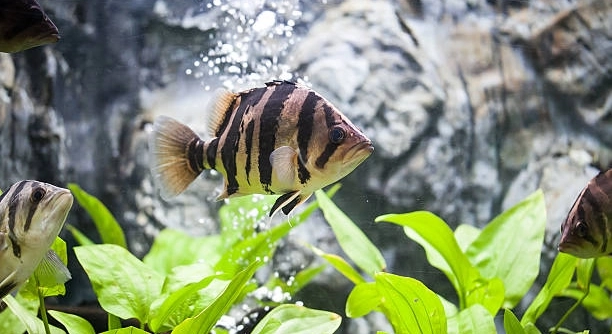
Tiger Barbs are lively freshwater fish often kept in home aquariums. They sometimes display unusual behaviors, including swimming upside down. Understanding why they do this can help fishkeepers provide better care and a healthier environment for their pets.
Tiger Barbs might swim upside down due to swim bladder issues, which affect their buoyancy and balance. Other factors include water quality, stress, or disease, all of which can disrupt normal swimming patterns and cause this unusual behavior.
Exploring the causes behind this behavior can help you recognize potential health problems early and improve your fish’s well-being. The following information offers useful insights for any Tiger Barb owner.
Understanding Swim Bladder Disorder in Tiger Barbs
Swim bladder disorder is a common cause of upside-down swimming in Tiger Barbs. The swim bladder is an internal organ that helps fish maintain their balance and buoyancy in the water. When it becomes damaged or infected, the fish loses control over its position and may swim sideways or upside down. This condition can be triggered by overfeeding, constipation, or bacterial infections. It is important to observe your fish closely if you notice unusual swimming patterns, as swim bladder issues can worsen without treatment. Keeping a clean tank and providing a balanced diet can reduce the risk. In some cases, medication prescribed by a veterinarian may be necessary to help your fish recover. Early detection is key to preventing permanent damage and ensuring your Tiger Barb remains healthy and active.
Swim bladder disorder can be managed effectively with proper care and attention to diet and water quality.
Addressing swim bladder problems quickly can improve your fish’s chances of recovery. Adjusting feeding habits, such as offering less food or soaking pellets before feeding, can reduce constipation. Regular water changes and maintaining proper tank conditions support overall health. If symptoms persist, consult an aquatic specialist for advice and possible treatment options.
Environmental Factors Affecting Swimming Behavior
Water quality and tank conditions greatly influence Tiger Barb behavior. Poor water quality, such as high levels of ammonia, nitrites, or nitrates, can cause stress and health issues, including abnormal swimming. Inadequate oxygen levels or incorrect temperature also impact buoyancy and comfort. A properly cycled and maintained tank helps prevent these problems. Regular monitoring with test kits and performing partial water changes keeps the environment safe. Additionally, overcrowding and incompatible tank mates can stress Tiger Barbs, leading to erratic movements like swimming upside down. Creating a balanced environment with enough space and hiding spots reduces stress. By maintaining clean, stable water conditions and a peaceful tank community, you support your fish’s natural behavior and overall well-being.
Stress and Its Impact on Tiger Barbs
Stress can cause Tiger Barbs to swim upside down. Factors like sudden changes in water conditions, aggressive tank mates, or overcrowding increase stress levels. Stress weakens their immune system and affects normal behavior.
When Tiger Barbs feel threatened or uncomfortable, they may swim erratically, including upside down. Loud noises or vibrations around the tank can also trigger stress. Keeping a stable environment and peaceful tank companions reduces these risks. Stress may also arise from inadequate hiding places, so adding plants or decorations helps your fish feel secure and less anxious. Monitoring their behavior closely can help you identify and reduce sources of stress before serious problems develop.
Providing a calm and stable habitat supports your Tiger Barbs’ health. Reducing stress improves their swimming and overall well-being, making your aquarium a better home for them.
Nutritional Deficiencies and Feeding Habits
Poor diet contributes to swim bladder problems in Tiger Barbs. Feeding too much dry food or low-quality flakes can cause digestive issues that affect buoyancy. A balanced diet includes high-quality pellets, frozen or live foods rich in nutrients.
Overfeeding leads to constipation and swim bladder trouble. Feeding small portions twice daily and including fiber-rich foods like peas can improve digestion. Avoid feeding uneaten food, which pollutes the tank and worsens water quality. Some owners notice improvement after adjusting diet and feeding routine. Consistent nutrition supports a healthy swim bladder and prevents abnormal swimming behaviors. Ensuring variety in their diet also keeps them active and vibrant.
Feeding habits have a direct effect on your fish’s health. Proper nutrition prevents many common problems and keeps your Tiger Barbs swimming normally.
Common Diseases That Affect Swimming
Diseases such as bacterial infections and parasites can cause Tiger Barbs to swim upside down. These illnesses often affect the swim bladder or nervous system, disrupting balance and movement.
Early signs include lethargy, loss of appetite, and unusual swimming patterns. Prompt treatment is important to prevent worsening symptoms and improve recovery chances.
Diagnosing Swim Bladder Issues
A clear diagnosis often requires observing your fish and testing water quality. Noticing changes in behavior alongside poor water parameters points to swim bladder problems. A veterinarian specializing in fish may recommend treatments, including antibiotics or dietary adjustments, depending on the cause.
Tank Maintenance Tips
Regular cleaning and water changes help prevent many causes of upside-down swimming. Maintaining stable, clean water reduces stress and illness, promoting healthy fish.
When to Seek Professional Help
If symptoms persist despite changes, professional advice is necessary. Early intervention improves outcomes and ensures your Tiger Barbs’ well-being.
FAQ
Why do Tiger Barbs swim upside down sometimes?
Tiger Barbs may swim upside down due to swim bladder issues, stress, poor water quality, or illness. The swim bladder controls their buoyancy, so when it’s affected, they lose balance. Stress from overcrowding or aggressive tank mates also causes unusual swimming. Addressing these factors helps correct the behavior.
How can I tell if my Tiger Barb has swim bladder disorder?
Look for signs such as difficulty swimming upright, floating sideways or upside down, and trouble staying at a certain depth. Your fish might also have a swollen belly or show less interest in food. If these signs appear, check water conditions and diet immediately.
Can swim bladder problems be treated at home?
Yes, mild swim bladder issues can often be improved with changes in diet and water quality. Feeding peas or soaking dry food before feeding helps digestion. Regular water changes and keeping the tank clean also support recovery. If symptoms continue, veterinary advice may be necessary.
Does stress cause swimming problems in Tiger Barbs?
Stress significantly impacts their swimming. Factors like sudden changes in water parameters, overcrowding, and aggressive tank mates can make them swim upside down. Reducing stress through stable conditions and proper tank mates improves swimming behavior and overall health.
What is the best diet for Tiger Barbs to prevent swimming issues?
A balanced diet with high-quality pellets, live or frozen foods like brine shrimp or bloodworms, and fiber-rich foods such as peas is ideal. Avoid overfeeding and remove uneaten food to maintain water quality. Proper nutrition supports swim bladder health and normal behavior.
How often should I clean the tank to keep Tiger Barbs healthy?
Perform partial water changes of about 20-30% weekly. Regular cleaning of the tank and filter reduces toxins that stress fish and lead to illness. Stable, clean water prevents many swimming problems, including those related to swim bladder disorders.
When should I seek a vet for my fish?
If upside-down swimming lasts more than a few days despite improving diet and water conditions, professional help is needed. Persistent symptoms may indicate infection or serious swim bladder damage requiring medication.
Are there any tank setup tips to reduce upside-down swimming?
Yes, maintain proper water temperature (around 74-79°F) and stable parameters. Avoid overcrowding and choose compatible tank mates. Provide hiding spots with plants or decorations to reduce stress. These conditions help fish swim naturally and avoid balance issues.
Can poor water quality cause swim bladder problems?
Absolutely. High ammonia, nitrite, or nitrate levels irritate fish and damage organs, including the swim bladder. Regular testing and water changes keep water safe, preventing many health problems that cause abnormal swimming.
Is upside-down swimming always a sign of illness?
Not always. Sometimes, it’s a temporary reaction to stress or a slight digestive upset. However, if the behavior persists or worsens, it usually indicates a health problem that needs attention. Monitoring and proper care are essential to prevent complications.
How does constipation affect Tiger Barb swimming?
Constipation can press on the swim bladder, making it difficult for the fish to control buoyancy. This causes them to float oddly or swim upside down. Feeding fiber-rich foods and avoiding overfeeding helps prevent constipation and related swim bladder issues.
Can temperature fluctuations cause swimming problems?
Yes, sudden changes in water temperature stress Tiger Barbs and affect their metabolism. This can lead to swim bladder dysfunction and erratic swimming. Keeping the tank temperature stable within the recommended range helps maintain fish health.
What role do tank mates play in Tiger Barb behavior?
Aggressive or overly active tank mates can stress Tiger Barbs, causing them to swim abnormally. Choosing peaceful, compatible fish reduces stress. Proper space and hiding spots also help maintain a calm environment, supporting natural swimming.
Are there any home remedies for swim bladder problems?
Besides dietary adjustments like feeding peas and fasting for a day, maintaining excellent water quality is key. Some aquarists use Epsom salt baths to reduce swelling, but it’s best to consult a vet before trying treatments. Early intervention improves outcomes.
How can I prevent swim bladder problems in the future?
Regular tank maintenance, balanced diet, stable water parameters, and low stress levels prevent most swim bladder issues. Observing fish behavior daily helps catch problems early. Prevention is simpler than treatment and keeps your Tiger Barbs healthy and active.
Tiger Barbs swimming upside down can be a sign of various underlying issues. It is often related to swim bladder problems, which affect their ability to control buoyancy. Other factors like stress, poor water quality, disease, and diet also play a role in this behavior. Observing your fish carefully and maintaining a healthy environment are key to preventing and addressing these problems. Paying attention to water parameters and tank conditions ensures your fish stay balanced and active.
Providing a balanced diet is equally important in supporting swim bladder health. Overfeeding or feeding low-quality food can lead to digestive problems that impact swimming. Including fiber-rich foods such as peas and offering live or frozen food options can improve digestion and overall health. Avoiding sudden changes in feeding habits or water temperature reduces stress, which also contributes to stable swimming behavior. Keeping a clean tank and performing regular water changes further supports your fish’s well-being.
If upside-down swimming persists despite your efforts, it may be necessary to seek professional advice. Early intervention can prevent more serious health problems and improve recovery chances. Understanding the causes behind this behavior helps fishkeepers provide better care and enjoy a thriving aquarium. Consistent attention to your Tiger Barbs’ needs creates a healthy environment where they can swim naturally and live comfortably.

Hello,
If you enjoy the content that we create, please consider saying a "Thank You!" by leaving a tip.
Every little bit helps us continue crafting quality advice that supports the health, happiness, and well-being of pets around the world, for pets of all shapes, sizes, and species.
We really appreciate the kindness and support that you show us!