
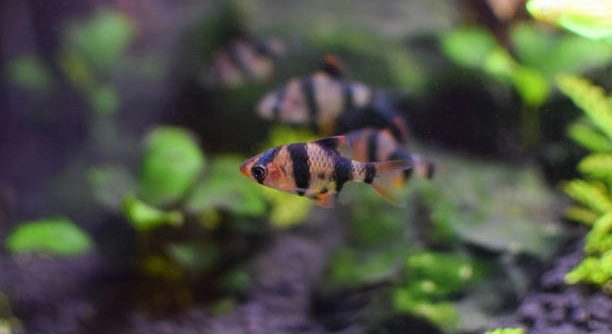
Tiger Barbs are lively freshwater fish often seen swimming near aquarium heaters. Observing their behavior can reveal important clues about their environment and comfort. Understanding why they prefer warmer spots helps in maintaining a healthy tank.
Tiger Barbs tend to swim near the heater because they seek warmer water temperatures that aid their metabolism and activity levels. Heaters create localized warmth, which attracts these fish as they regulate their body functions efficiently in slightly warmer conditions.
Knowing the reasons behind this behavior can help improve your aquarium setup and ensure your Tiger Barbs stay healthy and comfortable.
Why Tiger Barbs Prefer Warmer Water Near Heaters
Tiger Barbs are tropical fish that thrive in water temperatures between 74°F and 79°F (23°C to 26°C). In an aquarium, the heater creates a warm zone that matches their natural habitat. When the surrounding water gets cooler, they instinctively swim closer to the heater to stay within their comfort range. This behavior helps their digestion, immune function, and overall activity level. It is common to see them gather near the heater during colder days or in tanks where the temperature is uneven. Ensuring the aquarium temperature remains stable throughout the tank helps prevent excessive clustering near the heater, which can sometimes stress the fish or cause aggression among them.
Maintaining a consistent temperature reduces the risk of health problems caused by fluctuating or cold water, promoting a balanced and calm aquarium environment.
Keeping your tank evenly heated encourages Tiger Barbs to explore more areas, promoting natural behavior and improving their quality of life.
How to Manage Heater Placement for Tiger Barbs
Placing your heater properly helps maintain an even temperature in the tank.
Using a heater with an adjustable thermostat can create a more uniform warmth throughout the aquarium. Positioning the heater near a water flow source, like a filter output, helps distribute heat evenly and avoids hot spots where fish might overcrowd. Regularly checking the temperature in multiple locations within the tank ensures the warmth reaches all areas, preventing cold zones that push Tiger Barbs toward the heater. Overheating near the heater may lead to territorial disputes, so balancing heat distribution reduces stress. Also, avoid setting the heater too high, as Tiger Barbs prefer stable, moderate warmth rather than extreme heat. Proper heater placement supports their natural swimming patterns and encourages healthy social interaction within the group. This careful setup benefits both the fish and the overall aquarium ecosystem.
Signs Your Tiger Barbs Are Too Close to the Heater
If Tiger Barbs spend too much time directly next to the heater, it might cause overheating. You may notice them swimming rapidly or showing signs of stress, such as faded colors or lethargy. Crowding near the heater can lead to aggression among the fish.
Watching their behavior helps you decide if adjustments are needed. Sometimes, uneven heating causes them to gather in one spot, increasing territorial disputes. Maintaining balanced water temperature reduces these issues. If aggression or stress signs persist, consider rearranging decorations to create cooler zones and more swimming space. Ensuring good water circulation helps spread heat evenly, preventing overheating. Paying attention to these details supports their health and peace in the aquarium.
Observing Tiger Barbs closely allows you to catch any early signs of discomfort. Their well-being depends on the right environment and proper heater use.
Adjusting Tank Conditions to Support Tiger Barb Health
Keeping the water temperature stable helps Tiger Barbs avoid stress and stay active. Using a reliable heater and monitoring with a thermometer ensures consistent warmth. Regular water changes maintain good quality, preventing sudden temperature shifts. Adding plants or decorations can create hiding spots and cooler areas, helping fish escape heat if needed. Good filtration and water flow improve oxygen levels and distribute heat evenly. These small adjustments support the fish’s natural behavior and reduce clustering near the heater.
Balancing tank conditions benefits the entire aquarium community. Healthy water quality and temperature reduce disease risk, keeping your Tiger Barbs lively and colorful for longer. Regularly checking equipment and tank conditions helps you maintain a comfortable home for them. It’s important to create an environment where your fish can thrive without overheating or feeling cramped. These steps improve their overall quality of life in your care.
Common Mistakes with Heater Use
Setting the heater temperature too high can stress Tiger Barbs and cause health issues. Overheating also encourages aggressive behavior and uneven swimming patterns.
Ignoring regular heater maintenance may lead to malfunction or inconsistent heating, which can confuse the fish and disrupt their comfort zone.
Best Practices for Heater Maintenance
Regularly check the heater for signs of wear or damage. Clean the heater to prevent buildup of algae or debris that can affect its performance. Using a reliable thermometer ensures you monitor the tank’s actual temperature accurately. Replace the heater promptly if it shows irregular heating or stops working. Maintaining your heater properly guarantees a stable environment that supports the well-being of your Tiger Barbs and other aquarium inhabitants.
How Water Circulation Helps
Good water circulation distributes heat evenly throughout the tank, reducing hot and cold spots. This prevents fish from clustering only near the heater and promotes healthier swimming behavior.
FAQ
Why do Tiger Barbs always swim near the heater?
Tiger Barbs are tropical fish that prefer warmer water to support their metabolism and activity. The heater creates a warm area in the tank, so they naturally gather there to stay comfortable. This behavior helps them digest food better and remain more active, especially if the rest of the tank is cooler.
Is it harmful for Tiger Barbs to stay near the heater?
It can be if the water temperature near the heater is too high or uneven. Overheating may stress the fish, cause aggressive behavior, or lead to health problems. That’s why maintaining a consistent temperature and ensuring good water circulation are important for their well-being.
What is the ideal temperature range for Tiger Barbs?
Tiger Barbs do best in water temperatures between 74°F and 79°F (23°C to 26°C). Keeping the tank within this range helps maintain their energy and immune health. Temperatures outside this range can cause stress or illness.
How can I prevent my Tiger Barbs from overcrowding near the heater?
Make sure your heater is placed near a water flow source like a filter output, which helps spread heat evenly throughout the tank. You can also add decorations or plants to create cooler spots, giving the fish places to swim away from the heater if they want.
Can uneven heating cause aggression among Tiger Barbs?
Yes. When heat is unevenly distributed, Tiger Barbs may crowd into the warmer areas, leading to territorial disputes. Balanced heating reduces this behavior and promotes a peaceful tank environment.
How often should I check my aquarium heater?
It’s best to check the heater weekly for proper function and signs of damage or buildup. Regular monitoring helps avoid sudden temperature fluctuations that could stress your fish.
What type of heater is best for a Tiger Barb tank?
A reliable submersible heater with an adjustable thermostat is ideal. This type allows you to control the temperature accurately and helps maintain a steady environment for your fish.
Should I use a thermometer in addition to the heater’s built-in thermostat?
Yes, using a separate aquarium thermometer provides a more accurate reading of the tank temperature. Heater thermostats can sometimes be off, so having an independent thermometer helps ensure the water stays in the right range.
What signs indicate my Tiger Barbs are stressed by temperature?
Signs include faded colors, rapid or erratic swimming, hiding excessively, or reduced appetite. Stress can also cause health problems if not addressed promptly.
Is it normal for Tiger Barbs to swim rapidly near the heater?
Occasional faster swimming near the heater can be normal as they enjoy warmer water. However, constant rapid swimming or frantic behavior may signal overheating or discomfort, meaning you should check the temperature and conditions.
Can I place multiple heaters in a large tank with Tiger Barbs?
Yes, multiple heaters can help maintain even temperature in larger tanks. Make sure they are spaced out to avoid creating hot spots, and monitor the overall tank temperature regularly.
What should I do if my heater stops working?
Turn off the heater immediately and remove it from the tank if possible. Replace it as soon as you can to avoid temperature drops that could harm your fish. Use a temporary heat source if necessary while waiting for a new heater.
How does water circulation affect heater efficiency?
Good water circulation spreads the heat evenly, preventing hot or cold zones. This helps avoid clustering near the heater and keeps all areas comfortable for Tiger Barbs and other fish.
Can plants help regulate temperature in the tank?
Yes, live plants provide shade and create cooler areas where fish can escape heat. They also improve water quality and offer hiding spots, contributing to a more balanced environment.
What happens if the tank temperature is too low for Tiger Barbs?
Low temperatures slow their metabolism, reduce activity, and weaken the immune system. This can make them more vulnerable to disease and reduce their overall lifespan.
How important is consistency in tank temperature?
Very important. Sudden changes or fluctuations cause stress and increase the risk of illness. A steady temperature close to their preferred range is key to keeping Tiger Barbs healthy and active.
Can Tiger Barbs survive without a heater?
They can survive in warmer climates or if room temperature stays consistently within their comfort range. However, in most indoor settings, a heater is necessary to maintain stable temperatures year-round.
What are the signs of heater malfunction?
Signs include sudden temperature drops or spikes, heater not turning on, visible cracks or damage, or buildup that affects performance. Regular inspection helps catch these issues early.
Should the heater be fully submerged?
Yes, most submersible heaters are designed to be fully submerged. Check the manufacturer’s instructions, as improper installation can cause malfunction or damage.
How do I test if my heater is working properly?
Use an aquarium thermometer to monitor temperature over several hours. The temperature should remain stable within the set range. If it fluctuates widely, the heater may need repair or replacement.
Tiger Barbs are active fish that rely on a stable and comfortable environment to stay healthy. One important factor in their care is maintaining the right water temperature. These fish naturally seek warmth, which explains why they often swim near the aquarium heater. The heater creates a warm zone that helps support their metabolism and activity. Keeping the temperature consistent throughout the tank prevents them from crowding too close to the heater and reduces stress. A well-balanced environment promotes peaceful behavior and keeps your Tiger Barbs lively.
Proper heater placement and maintenance are key to creating this balanced environment. Positioning the heater near a water flow source helps spread warmth evenly throughout the tank, so no area becomes too hot or too cold. Regularly checking the heater and using an independent thermometer ensures the temperature stays within the ideal range for Tiger Barbs, between 74°F and 79°F (23°C to 26°C). Cleaning the heater and replacing it when necessary helps avoid malfunction that could disrupt the tank’s temperature stability. These small efforts contribute greatly to the health and comfort of your fish.
Creating a good habitat also involves providing hiding places and cooler areas with plants or decorations. This gives Tiger Barbs options to move away from the heater if they want to cool down or rest. Proper water circulation and filtration improve oxygen levels and heat distribution, reducing aggressive behavior caused by overcrowding near warm spots. Paying attention to these details helps maintain a peaceful and healthy aquarium. By understanding why Tiger Barbs swim near the heater and adjusting your setup accordingly, you can enjoy watching your fish thrive in a well-maintained home.

Hello,
If you enjoy the content that we create, please consider saying a "Thank You!" by leaving a tip.
Every little bit helps us continue crafting quality advice that supports the health, happiness, and well-being of pets around the world, for pets of all shapes, sizes, and species.
We really appreciate the kindness and support that you show us!