
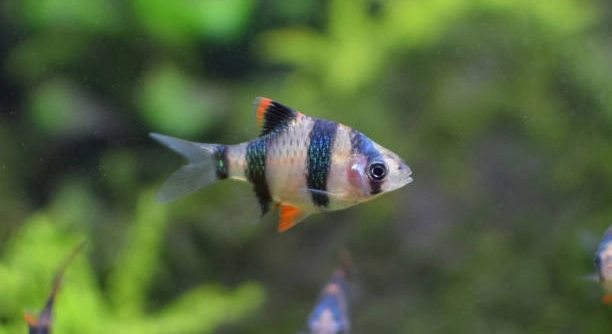
Tiger Barbs are lively fish often kept in home aquariums for their bright colors and active nature. They usually swim together peacefully, but sometimes they suddenly split off from the group. This behavior can surprise many fish owners.
Tiger Barbs might separate due to factors like stress, competition for food, or changes in water conditions. Aggressive behavior or the need to establish territory can also cause them to split from their school. Understanding these causes helps maintain a healthy aquarium environment.
Knowing why Tiger Barbs act this way helps improve their care and keeps your tank balanced. Observing these signs early can prevent bigger problems in your fish community.
Reasons Behind Tiger Barbs Splitting Off
Tiger Barbs are social fish that prefer to swim in groups, but certain factors can cause them to break away. One common reason is stress caused by overcrowding or poor water quality. When there isn’t enough space or the water isn’t clean, fish become uncomfortable and may act differently. Another cause is aggression between individual Tiger Barbs. Sometimes, dominant fish push others away to claim territory or food. Changes in the tank, such as new fish or rearranged decorations, can also unsettle them. Even shifts in temperature or pH levels can affect their behavior. Watching how your Tiger Barbs interact can help you notice signs of stress early. If you spot one fish separating from the group, it’s a signal to check your tank conditions. Keeping the environment stable and spacious helps reduce these issues and keeps your fish swimming happily together.
Aggression and tank conditions are key reasons for this splitting behavior in Tiger Barbs.
Understanding their environment better can improve their social behavior and overall health.
How to Manage Tiger Barb Behavior
Keeping Tiger Barbs healthy starts with a good tank setup. The aquarium should be large enough for them to swim freely, with hiding spots to reduce stress. Proper water parameters, like temperature and pH, must be maintained consistently. Feeding them enough food, but not too much, also helps reduce competition and aggression. If one fish is consistently aggressive, separating it temporarily might calm the group. Regular water changes and avoiding sudden changes in the tank will support a peaceful environment. Sometimes adding more Tiger Barbs can help, as larger groups reduce bullying. Observing your fish daily allows you to catch problems early and adjust care as needed. These steps make sure your Tiger Barbs stay comfortable and less likely to split off. Maintaining balance and routine in their environment promotes harmony in your aquarium.
Signs That Tiger Barbs Are About to Split
When Tiger Barbs prepare to split, their behavior changes noticeably. They may swim away from the group, hide more often, or show increased aggression. Watching these signs early helps prevent stress in the tank.
Fish that isolate themselves often seem less active and avoid feeding times. You might notice chasing or fin nipping among the group. These behaviors indicate rising tension and possible territorial disputes. If left unchecked, the split may worsen, leading to injury or stress-related illness. Paying close attention to your fish’s actions can help you address problems before they escalate. Adjusting the tank environment or fish grouping at this stage can restore balance and keep the group united.
Keeping an eye on feeding behavior and activity levels gives clues about your fish’s comfort. Addressing changes promptly prevents bigger issues and promotes a peaceful aquarium.
Impact of Tank Setup on Tiger Barb Grouping
Tank size plays a big role in whether Tiger Barbs stay together. Smaller tanks can cause overcrowding, which increases stress and aggressive behavior. Larger tanks give each fish more room to swim and avoid conflict.
Adding plants and decorations creates natural hiding places, which help reduce stress by giving fish a safe retreat. Proper filtration maintains clean water, which is essential for their health and social behavior. Lighting should mimic natural day and night cycles to keep their routine stable. Avoid sudden changes in the tank layout, as this can unsettle the fish and lead to splits. Keeping these factors in balance supports a calm environment where Tiger Barbs can thrive as a group. A well-thought-out tank setup improves both their physical health and social interactions, reducing the chances of splitting behavior.
Feeding Habits and Group Behavior
Tiger Barbs often compete for food, which can cause tension in the group. Uneven feeding may lead some fish to become more aggressive or isolated.
Providing food evenly and in small amounts reduces competition. Feeding at regular times helps maintain a peaceful environment and keeps the group together.
Effects of Introducing New Fish
Adding new fish to the tank can disrupt the established social order. Tiger Barbs may feel threatened and split off to establish new territories. Introducing new fish slowly and carefully reduces stress and aggression.
Water Quality and Social Dynamics
Poor water quality causes stress in Tiger Barbs, leading to changes in behavior. Maintaining clean water supports healthy social interactions and keeps the group unified.
When to Separate Aggressive Fish
If aggression becomes harmful, temporarily separating the aggressive fish protects the group. This helps reduce stress and prevents injury among Tiger Barbs.
Why do Tiger Barbs suddenly split off from their group?
Tiger Barbs may split off due to stress, competition, or changes in their environment. Overcrowding or poor water quality often causes discomfort. Aggressive behavior, especially among males, can also lead to separation. When they feel threatened or unsettled, they tend to break away to avoid conflict.
How can I tell if my Tiger Barbs are stressed?
Signs of stress include hiding more often, loss of color, reduced activity, and erratic swimming. Aggression and fin nipping can also increase. If you notice these behaviors, it’s a good idea to check water quality, tank size, and whether they have enough space to avoid each other.
Does tank size affect their behavior?
Yes, tank size greatly impacts their social behavior. Smaller tanks cause overcrowding and competition, leading to aggression and splitting off. A larger tank provides room to swim and hide, reducing stress and promoting peaceful group swimming.
Can changing tank decorations cause splitting?
Yes, sudden changes in decorations or layout can unsettle Tiger Barbs. They rely on familiar territory for security. Rearranging plants or hiding spots may cause them to split as they try to reestablish their space and hierarchy.
How does feeding affect their group dynamics?
Uneven feeding often leads to competition, with some fish becoming aggressive or isolated. Feeding small amounts evenly and regularly helps reduce this tension. It ensures all fish get enough food and lowers the chance of fights breaking out.
Should I add more Tiger Barbs if splitting happens?
Sometimes adding more Tiger Barbs helps because larger groups spread out aggression. However, overcrowding must be avoided. Balance the number of fish with the tank size and monitor their behavior closely after adding new fish.
What water parameters are best for Tiger Barbs?
Tiger Barbs thrive in water temperatures between 74–79°F (23–26°C), with a pH of 6.5 to 7.5. Keeping ammonia, nitrite, and nitrate levels low is important. Stable water conditions prevent stress and support good social behavior.
How can I reduce aggression in Tiger Barbs?
Provide plenty of space, hiding spots, and keep the water clean. Feed them regularly with balanced food. Avoid overcrowding and sudden changes. If one fish is too aggressive, temporarily separating it can calm the group.
When is it necessary to separate an aggressive Tiger Barb?
If one fish is consistently attacking others, causing injury or stress, separating it is necessary. This protects the rest of the group and allows the aggressive fish to calm down. After some time, reintroduce carefully while watching for signs of renewed aggression.
Are Tiger Barbs more aggressive during breeding?
Yes, during breeding, males become more territorial and aggressive. They may chase or nip other fish. Providing plenty of hiding spots and space reduces conflicts during this period.
Can water changes help with splitting behavior?
Regular water changes keep the tank clean and reduce stress. Fresh water improves health and can help reduce aggression that causes fish to split off. Maintaining stable water parameters is key to preventing behavioral problems.
What role does lighting play in their behavior?
Consistent lighting mimics natural day and night cycles, helping Tiger Barbs maintain a routine. Sudden changes or overly bright light can stress them, potentially increasing aggression or causing them to split.
How often should I monitor my Tiger Barbs?
Daily observation is best to catch early signs of stress or aggression. Watching their interactions and activity helps you respond quickly and keep the tank environment healthy and balanced.
Can illness cause Tiger Barbs to isolate?
Yes, sick fish often separate from the group and become less active. If a Tiger Barb is hiding and not eating, check for signs of disease and treat promptly to protect the entire group.
Is it normal for Tiger Barbs to change their social behavior over time?
Yes, as Tiger Barbs grow or the group changes, their behavior can shift. New dynamics may lead to occasional splitting, but usually they adjust quickly if the environment is stable and stress-free.
Tiger Barbs are active and colorful fish that many enjoy keeping in home aquariums. Their natural behavior includes swimming in groups, but sometimes they may suddenly split off from their school. This can be surprising, but it is often a sign that something in their environment needs attention. Stress, changes in tank conditions, or aggression can all cause this behavior. Understanding why Tiger Barbs split off helps fish keepers provide better care and maintain a peaceful aquarium.
Maintaining a healthy environment is key to keeping Tiger Barbs together. This includes providing enough space in the tank and ensuring water quality is stable and clean. Overcrowding can increase competition and stress, so a spacious tank with plenty of hiding places is important. Regular water changes and monitoring water parameters, like temperature and pH, also help keep the fish comfortable. Feeding small amounts evenly and consistently reduces fights over food. These steps make a big difference in how Tiger Barbs behave and interact with each other.
If aggression or splitting continues, it may be necessary to separate the more aggressive fish temporarily. This protects the rest of the group and helps reduce stress. Observing your fish daily helps catch problems early before they become serious. Keeping a calm, balanced environment allows Tiger Barbs to swim together happily. While it is normal for their behavior to change sometimes, paying attention to their needs will keep your aquarium healthy and enjoyable to watch.

Hello,
If you enjoy the content that we create, please consider saying a "Thank You!" by leaving a tip.
Every little bit helps us continue crafting quality advice that supports the health, happiness, and well-being of pets around the world, for pets of all shapes, sizes, and species.
We really appreciate the kindness and support that you show us!