
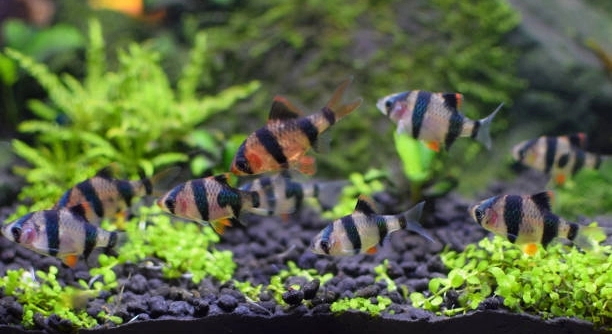
Tiger Barbs are popular freshwater fish known for their vibrant colors and active behavior. However, some owners notice their Tiger Barbs remain pale for extended periods. This can cause concern about their health or environment. Understanding the reasons behind this pale appearance is important for proper care.
Tiger Barbs may stay pale due to stress, poor water quality, or inadequate diet. These factors affect their natural coloration by disrupting pigment cells. Additionally, illness or changes in tank conditions can cause temporary or prolonged color loss in Tiger Barbs.
Knowing the causes of pale coloration helps ensure Tiger Barbs remain healthy and vibrant. Exploring these factors will guide you toward better care and a brighter tank environment.
Common Causes of Pale Coloration in Tiger Barbs
Pale coloration in Tiger Barbs is often linked to several environmental and biological factors. One main reason is stress, which can be triggered by overcrowding, aggressive tank mates, or sudden changes in water conditions. When stressed, fish produce hormones that affect their pigment cells, causing colors to fade. Another important factor is water quality. Poor water parameters such as high ammonia, nitrites, or inappropriate pH levels can weaken fish and reduce their natural colors. Diet also plays a critical role. A lack of essential nutrients like carotenoids, which help develop vibrant pigmentation, may lead to dull or pale scales. Illness and parasites can also cause discoloration. Finally, genetics and age can influence the intensity of coloration, with some individuals naturally lighter or aging fish showing faded colors over time.
Maintaining stable water conditions, providing a balanced diet, and minimizing stress are essential for color retention in Tiger Barbs.
By identifying and addressing these issues, you can help your Tiger Barbs regain their natural vibrancy and overall health. Regular water testing and observing fish behavior are practical steps to prevent prolonged paleness and promote a lively aquarium environment.
How Stress Affects Tiger Barb Colors
Stress is a leading factor in color loss for Tiger Barbs. Fish release hormones that inhibit pigment cells during stressful events.
Stress may come from overcrowding, aggressive tank mates, or sudden environmental changes. Reducing stress helps Tiger Barbs regain their vibrant colors and improves their overall well-being. Monitoring tank dynamics and providing hiding spaces can make a significant difference.
Impact of Water Quality on Tiger Barbs
Poor water quality directly affects the health and color of Tiger Barbs. High levels of ammonia, nitrites, or nitrates cause stress and weaken the fish, leading to faded colors.
Maintaining proper water parameters is crucial for keeping Tiger Barbs healthy. Ammonia and nitrite levels should always be at zero, while nitrates should remain low, ideally under 20 ppm. Regular water changes, a good filtration system, and monitoring pH balance help create a stable environment. When water conditions fluctuate or become toxic, Tiger Barbs show signs of stress through pale coloration and lethargy. Keeping the tank clean and well-maintained ensures the fish can display their natural bright colors and thrive in their habitat.
Water quality impacts not only coloration but also immune response. Poor conditions increase vulnerability to diseases, which can further dull a Tiger Barb’s colors and reduce its lifespan.
Nutrition and Color Vibrancy
A well-balanced diet plays a major role in maintaining the vibrant colors of Tiger Barbs. Carotenoids and other pigments in their food enhance their natural hues.
Feeding Tiger Barbs a varied diet that includes high-quality flakes, pellets, and occasional live or frozen foods provides the nutrients necessary for bright colors. Foods rich in carotenoids, like spirulina, krill, and certain vegetables, support pigment development. Poor diet lacking these nutrients can cause dullness and pale scales. Supplementing with color-enhancing foods can bring back vibrancy but should not replace a balanced diet. Overfeeding or low-quality foods can harm water quality, so it is important to feed appropriate portions and maintain cleanliness.
Consistent and nutritious feeding combined with clean water supports healthy pigmentation and overall well-being of Tiger Barbs.
Illness and Its Effect on Color
Illness can cause Tiger Barbs to lose their color as their body focuses on healing. Symptoms often include pale scales alongside lethargy and loss of appetite.
Common diseases like ich or bacterial infections disrupt pigment cells. Prompt treatment helps restore health and color.
Genetics and Age
Some Tiger Barbs naturally have lighter colors due to their genetics. Older fish may also lose brightness as their pigment cells become less active with age.
While this is normal, it’s important to maintain good care to support overall health and minimize further fading.
Tank Environment and Lighting
The type and intensity of lighting in the tank affect how Tiger Barbs display their colors. Too little or harsh lighting can cause pale coloration.
Proper lighting mimics their natural habitat and helps enhance their vibrant appearance.
Behavior and Social Interaction
Tiger Barbs are social fish that display brighter colors in groups. Isolation or lack of social interaction can lead to dull, pale coloring.
Why do my Tiger Barbs stay pale even in a well-maintained tank?
Even in a well-maintained tank, Tiger Barbs can remain pale due to lingering stress, improper diet, or genetics. Sometimes subtle factors like water temperature fluctuations or inadequate lighting affect their coloration. Ensuring a consistent environment, balanced nutrition, and proper social conditions is key to helping them regain color.
How long does it take for Tiger Barbs to regain their color?
The time for color recovery varies depending on the cause. If stress or poor water quality is resolved quickly, color can return within a few days to weeks. Dietary improvements may take several weeks to show visible results. Illness recovery time depends on treatment speed and severity but generally ranges from one to four weeks.
Can poor diet alone cause Tiger Barbs to stay pale?
Yes, a poor diet lacking essential pigments like carotenoids directly impacts their color. Without nutrients that support pigmentation, Tiger Barbs may lose brightness even if other conditions are ideal. Offering a varied diet with color-enhancing foods is necessary to maintain vibrant scales.
Is it normal for Tiger Barbs to be pale sometimes?
Tiger Barbs may show temporary paleness due to minor stressors such as changes in environment or social dynamics. This is often short-lived and reverses once conditions stabilize. Persistent paleness usually signals an underlying issue that needs attention.
Does lighting affect Tiger Barb coloration?
Lighting greatly influences how their colors appear. Too dim lighting can make colors look faded, while overly bright light may cause stress and color loss. Using moderate, natural-spectrum lighting that mimics their natural habitat encourages healthy coloration.
Can Tiger Barbs change color when spawning?
Yes, Tiger Barbs often display more intense colors during spawning as a natural behavior to attract mates. After spawning, colors may fade slightly. This change is temporary and normal.
How does tank size impact Tiger Barb color?
A cramped tank can cause stress and aggression, leading to paler colors. Tiger Barbs need enough space to swim actively and establish social hierarchies. Providing at least a 20-gallon tank for a small group supports their health and coloration.
Will adding more Tiger Barbs improve color?
Tiger Barbs are schooling fish that feel secure in groups of six or more. Adding more individuals can reduce stress and encourage brighter colors, but overcrowding should be avoided to maintain water quality.
Can illness cause permanent color loss in Tiger Barbs?
Severe or untreated illnesses may cause lasting damage to pigment cells, leading to permanent paleness. Early detection and treatment increase chances of full color recovery.
Should I use color-enhancing supplements for Tiger Barbs?
Color-enhancing supplements can be helpful when combined with a balanced diet but should not replace good nutrition. Overuse may stress fish or affect water quality, so use them sparingly and monitor your tank carefully.
Tiger Barbs are beautiful fish known for their lively colors and energetic behavior. When they appear pale, it can be concerning for any fish keeper. Understanding the various reasons behind this pale coloration is important for providing the best care. Factors like stress, water quality, diet, illness, and environment all influence their appearance. Each plays a role in how vibrant the fish look and their overall health. By paying attention to these elements, it is possible to improve their coloration and well-being.
Maintaining stable water conditions is essential for keeping Tiger Barbs healthy and colorful. Regular testing and water changes prevent harmful chemicals from building up. Feeding a varied and nutritious diet supports their natural pigments and strengthens their immune system. Avoiding stress by providing enough space, compatible tank mates, and hiding spots helps reduce hormone levels that cause color loss. Illnesses must be treated promptly to avoid permanent damage. Lighting and social behavior also affect their color, so creating an environment that mimics their natural habitat is beneficial. Taking a holistic approach to their care will encourage brighter colors and a more active fish.
Watching Tiger Barbs regain their color can be rewarding. While some causes like genetics and aging cannot be changed, most reasons for paleness can be managed or improved. Attention to detail in tank maintenance and diet often makes the biggest difference. Keeping them comfortable and healthy should be the priority, and their natural colors will follow. Consistent care over time ensures that Tiger Barbs not only look better but also live longer, happier lives in the aquarium.

Hello,
If you enjoy the content that we create, please consider saying a "Thank You!" by leaving a tip.
Every little bit helps us continue crafting quality advice that supports the health, happiness, and well-being of pets around the world, for pets of all shapes, sizes, and species.
We really appreciate the kindness and support that you show us!