
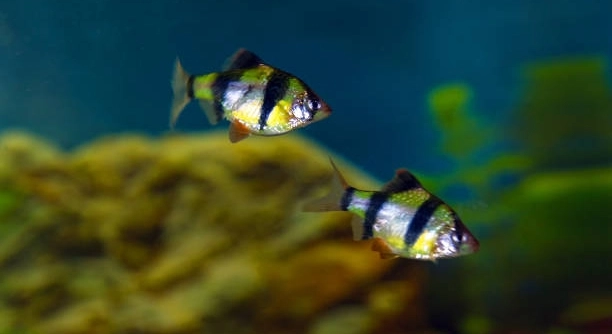
Tiger Barbs are active and colorful fish often found in home aquariums. They have unique behaviors that can sometimes puzzle aquarium owners. One common observation is their tendency to stay behind plants for long periods.
Tiger Barbs tend to stay behind plants primarily for safety and comfort. Plants provide shelter from perceived threats and reduce stress by offering hiding spots. This behavior helps them feel secure within their environment and supports their natural instincts.
Understanding why Tiger Barbs seek refuge among plants can improve how you set up your tank. Creating a balanced environment benefits both the fish and the overall aquarium health.
Why Tiger Barbs Prefer Plants as Shelter
Tiger Barbs often choose to stay behind plants because these areas provide a sense of security. Plants mimic their natural habitat, where dense vegetation offers protection from predators. When placed in an aquarium, the presence of plants reduces stress levels for these fish. Stress can affect their health, making plants an important element in tank design. The plants also create shaded spots, which Tiger Barbs find calming. Being active fish, they occasionally retreat to these sheltered zones to rest or avoid aggression from tank mates. In a planted tank, their natural behaviors become more visible and balanced. This environment encourages them to feel comfortable and display natural swimming patterns. Without adequate hiding places, Tiger Barbs might become skittish or stressed, which could lead to health issues or aggression. Therefore, providing plants improves their overall wellbeing and contributes to a healthier tank ecosystem.
Plants offer shade and hiding spaces, making Tiger Barbs feel safer and less exposed.
Including a variety of plants in your aquarium can significantly improve your Tiger Barbs’ quality of life. Plants act as natural barriers that reduce confrontations among fish by dividing swimming areas. This helps minimize bullying and territorial disputes common with Tiger Barbs. Additionally, plants improve water quality by absorbing nitrates and providing oxygen. Their roots help stabilize the substrate, which supports beneficial bacteria important for maintaining a clean tank. When choosing plants, consider hardy species that tolerate Tiger Barbs’ activity level, such as Java fern or Anubias. These plants are less likely to be damaged by the fish. By creating a balanced environment with plants, you foster peaceful interactions and promote natural behaviors. A well-planted tank mimics the fish’s original habitat, enhancing their comfort and encouraging healthier, more vibrant fish.
The Role of Plants in Reducing Stress
Plants act as natural shelters, which lowers stress levels in Tiger Barbs.
Stress reduction is key to maintaining healthy Tiger Barbs in captivity. Fish experiencing less stress tend to have stronger immune systems and better overall health. Plants offer refuge, giving Tiger Barbs places to hide when they feel threatened or overwhelmed. This retreat helps them avoid constant exposure to aggressive tank mates or sudden movements around the aquarium. Moreover, plants provide visual barriers that break up open swimming spaces, making the environment feel less intimidating. Stress can also affect their coloration, causing them to lose brightness. With plants present, Tiger Barbs show more vivid colors and active behaviors. Maintaining this kind of environment supports their natural instincts, keeping them calmer and more at ease. In turn, this leads to fewer health problems and a longer lifespan for the fish. Therefore, plants are essential not just for decoration but as a critical element in fish wellbeing.
How Plants Affect Tiger Barb Behavior
Plants give Tiger Barbs a sense of territory to claim and defend. This helps reduce aggressive encounters.
When Tiger Barbs have plants to hide behind, they feel more confident exploring the tank. Plants create separate spaces that break up the aquarium into smaller zones, which helps reduce stress. Fish can establish territories without constant conflict, especially in groups. The presence of plants encourages natural schooling behavior and makes Tiger Barbs less likely to chase or nip at each other. They swim more calmly and display less nervous energy. Plants also allow shy or weaker fish to escape aggression, promoting a more balanced social environment within the tank.
In tanks without sufficient plants, Tiger Barbs may become more aggressive or stressed. Lack of hiding spots can lead to constant chasing, which tires the fish and harms their health. Providing plants encourages peaceful coexistence and healthier social interactions.
Choosing the Right Plants for Tiger Barbs
Hardy plants with strong leaves work best with Tiger Barbs.
Tiger Barbs are known for their energetic swimming and occasional fin-nipping, so plants need to be tough to survive. Species like Java fern, Anubias, and Amazon sword are ideal because they have sturdy leaves that can withstand nibbling. Floating plants are also helpful as they provide shade and reduce bright light, which Tiger Barbs prefer. Avoid delicate or slow-growing plants, as they will likely get damaged quickly. Selecting the right plants creates a lasting environment where fish and plants can thrive together without constant replacement or damage.
Plant Placement and Tiger Barb Comfort
Placing plants strategically helps Tiger Barbs feel secure and less exposed. Grouping plants in corners or along tank edges works well.
Clusters of plants create safe zones where Tiger Barbs can retreat without feeling trapped. Open swimming areas combined with dense planting balance activity and shelter needs.
Lighting and Plant Growth
Proper lighting supports healthy plant growth, which benefits Tiger Barbs. Moderate lighting encourages plants without stressing the fish.
Plants that thrive under moderate light create better hiding spots and improve water quality, supporting Tiger Barb health and comfort.
Signs Tiger Barbs Need More Shelter
Tiger Barbs hiding constantly or showing stress may need more plants.
Increasing plant density can reduce stress and aggression.
Maintaining a Healthy Planted Tank
Regular trimming and cleaning help plants stay healthy.
Healthy plants maintain water quality and provide consistent shelter for Tiger Barbs.
FAQ
Why do Tiger Barbs hide behind plants so often?
Tiger Barbs hide behind plants because they feel safer there. Plants provide shelter and help reduce stress by offering places to escape if they feel threatened. This behavior is natural, reflecting their instinct to avoid predators and protect themselves in the wild.
Can Tiger Barbs live happily without plants?
While Tiger Barbs can survive without plants, they usually become more stressed and aggressive. Plants help create a balanced environment by giving them places to hide and rest. Without plants, these fish may display nervous or aggressive behavior more often.
What types of plants are best for Tiger Barbs?
Hardy plants like Java fern, Anubias, and Amazon sword work best. These plants have strong leaves that Tiger Barbs are less likely to damage. Floating plants are also good for providing shade and creating a calm atmosphere.
How many plants should I put in a Tiger Barb tank?
A good rule is to fill about 30–50% of the tank with plants. This provides enough hiding spots without overcrowding the space. Balancing open swimming areas with dense planting supports natural behavior and reduces stress.
Do Tiger Barbs eat plants?
Tiger Barbs may nibble on some plants, especially softer or slower-growing types. However, they do not rely on plants as a main food source. Choosing tough, hardy plants reduces damage and keeps the tank looking nice.
Can plants help reduce aggression in Tiger Barb groups?
Yes, plants break up the tank space into smaller zones, allowing fish to establish territories and avoid constant fighting. More hiding spots mean less direct competition and fewer aggressive chases, promoting peaceful interactions.
How often should I maintain plants in a Tiger Barb aquarium?
Regular trimming and cleaning every 1–2 weeks help keep plants healthy. Removing dead leaves and debris prevents water quality issues and ensures plants continue providing good shelter. Healthy plants support a stable environment for Tiger Barbs.
Does lighting affect how Tiger Barbs interact with plants?
Moderate lighting supports healthy plant growth without stressing the fish. Too much light can cause algae growth, while too little slows plant development. Balanced lighting helps plants thrive, which benefits Tiger Barbs by improving shelter and water quality.
Are live plants better than artificial ones for Tiger Barbs?
Live plants offer benefits like oxygen production, water filtration, and natural hiding spots. Artificial plants can provide shelter but don’t improve water quality. For the best environment, live plants are usually preferred when possible.
What should I do if my Tiger Barbs keep hiding and seem stressed?
Check for water quality, tank mates, and enough hiding spots. Adding more plants or rearranging the tank can help. Make sure the tank size is appropriate, and avoid overcrowding to reduce stress and encourage natural behavior.
Tiger Barbs are lively and beautiful fish that bring energy to any aquarium. Their behavior of staying behind plants is natural and important for their wellbeing. Plants provide shelter and comfort, helping Tiger Barbs feel safe in their environment. When they have places to hide, they experience less stress and show more natural behaviors. This not only improves their health but also creates a more peaceful tank atmosphere. Providing plants is an easy way to support the needs of these active fish.
Choosing the right plants is important for creating a good habitat for Tiger Barbs. Hardy plants like Java fern, Anubias, and Amazon sword work well because they can handle the energetic swimming and occasional nibbling. Floating plants add shade and help reduce bright light, which Tiger Barbs tend to prefer. Having a balance between open swimming spaces and planted areas allows the fish to explore freely while still having safe zones. Regular maintenance, such as trimming and cleaning, keeps plants healthy and able to provide shelter. Healthy plants also improve water quality, which benefits all tank inhabitants.
In the end, plants are not just decoration in a Tiger Barb aquarium—they are essential for creating a comfortable and natural environment. When these fish have proper shelter, their behavior becomes more balanced, and their health improves. Paying attention to plant choice, placement, and care helps ensure Tiger Barbs thrive. A well-planted tank supports their natural instincts and makes the aquarium more enjoyable to watch. Keeping these needs in mind will help anyone provide a happy, healthy home for Tiger Barbs.

Hello,
If you enjoy the content that we create, please consider saying a "Thank You!" by leaving a tip.
Every little bit helps us continue crafting quality advice that supports the health, happiness, and well-being of pets around the world, for pets of all shapes, sizes, and species.
We really appreciate the kindness and support that you show us!