
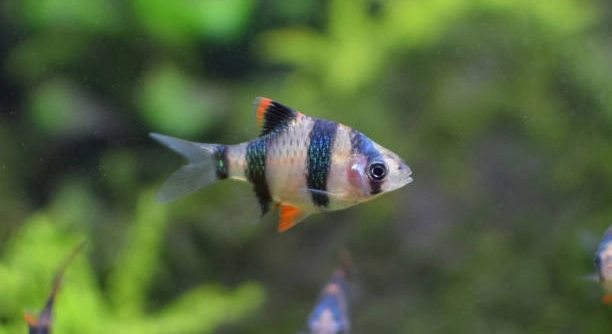
Tiger Barbs are lively and colorful fish often kept in home aquariums. Their behavior can sometimes be surprising, especially when they suddenly startle each other. Understanding these reactions can help create a peaceful tank environment.
Tiger Barbs might startle each other due to their natural schooling instincts and sensitivity to sudden movements or changes in their surroundings. This behavior helps them stay alert to potential threats, but can also lead to brief moments of stress within the group.
Learning why Tiger Barbs react this way can help fishkeepers manage their tanks better and maintain harmony among these active swimmers.
Why Tiger Barbs Startle Each Other
Tiger Barbs are naturally alert fish that rely on their schooling behavior for safety. When one fish reacts to a sudden movement or change, others often respond quickly. This chain reaction can cause them to startle each other. In the wild, this helps them avoid predators. In aquariums, sudden changes like reflections, fast movements nearby, or new tank additions can trigger this behavior. Their sensitivity to light and shadow shifts also plays a role. Over time, they learn to distinguish harmless changes from threats, but initial reactions remain sharp. This makes their environment feel dynamic and lively, but also means sudden disturbances can cause stress. Keeping their tank calm and stable reduces these startling moments and helps the fish feel secure.
These quick reactions are part of their survival instincts, passed down through generations. Understanding this behavior improves tank management.
Creating a consistent environment by avoiding sudden changes and minimizing reflections helps reduce startling. Using plants and decorations to break up sight lines can also calm their responses. With patience, Tiger Barbs adapt well to their home aquarium.
How Tank Conditions Affect Their Behavior
Tank conditions have a strong impact on how Tiger Barbs behave. Poor water quality or overcrowding increases stress, making fish more reactive and jumpy. Sudden noises or vibrations outside the tank can also cause them to startle. Maintaining clean water, appropriate temperature, and proper space helps keep them calm. A stable environment reduces the frequency of sudden reactions, promoting healthier interactions within the school.
Stress-free fish display less erratic behavior and are more comfortable in their surroundings.
Proper tank maintenance and thoughtful setup are essential to minimize stress. Regular water changes and careful stocking prevent overcrowding, which often leads to aggression and startling. Using soft lighting and quiet locations for the aquarium reduces external disturbances. Adding plants or hiding spots gives the fish places to retreat when feeling uneasy. Observing the fish regularly helps identify triggers early, allowing for quick adjustments. Ultimately, creating a balanced and predictable environment supports peaceful schooling and minimizes sudden startle responses among Tiger Barbs.
Signs Tiger Barbs Are Startled
Startled Tiger Barbs often dart suddenly or flash bright colors briefly. They may also freeze momentarily before resuming normal swimming patterns. These reactions happen quickly but are clear indicators of stress or surprise.
Such sudden movements are natural defense mechanisms. When one fish reacts, others quickly follow, creating a ripple of activity. This behavior is typical in schooling fish, helping them avoid danger by confusing predators. However, frequent startling can cause unnecessary stress, affecting their health and behavior over time. It is important to watch for repeated flashing or jerky movements as signs the environment may be causing discomfort.
Over time, if these signs persist, it might suggest something in the tank setup or routine is disturbing them. Consistent observation helps catch these issues early, allowing for necessary changes before stress impacts the entire group. Adjusting lighting, reducing sudden noises, or rearranging decorations can often reduce startling.
Preventing Startling Behavior
Avoiding sudden changes around the aquarium reduces startle responses. Keeping the environment calm and stable supports peaceful behavior. Soft lighting and gentle water flow contribute to a relaxed atmosphere.
Providing plenty of hiding spaces with plants or decorations helps fish feel secure. When Tiger Barbs have areas to retreat, they are less likely to react sharply to unexpected events. It’s also helpful to maintain a consistent feeding schedule and minimize disturbances near the tank. Loud noises or quick movements by people can cause stress, so placing the aquarium in a quiet area is ideal. Patience is key, as it takes time for fish to adjust to new conditions and settle into a calmer routine.
Overall, thoughtful care and a stable environment reduce startling. Creating predictable surroundings helps Tiger Barbs feel safe, encouraging natural, calm schooling behavior.
Common Triggers for Startling
Reflections on the glass often confuse Tiger Barbs, causing sudden reactions. They may see their own image as another fish invading their space.
Rapid movements outside the tank, like people walking by quickly, can also trigger startle responses. These fish are highly sensitive to motion nearby.
How Schooling Behavior Influences Reactions
Tiger Barbs rely heavily on schooling for safety, and their group dynamics influence startling. When one fish reacts suddenly, others immediately follow as part of their instinct to stay together. This quick chain reaction helps protect the group but can lead to repeated startle episodes in a confined aquarium space. Maintaining an appropriate school size of six or more helps reduce aggression and excessive startling. A well-balanced group feels more secure and exhibits smoother swimming patterns, minimizing abrupt movements. Understanding this natural behavior allows for better tank management and a calmer environment for the fish.
Adjusting Tank Setup
Adding plants and decorations breaks up sight lines and lowers startling. It creates safe spaces.
FAQ
Why do Tiger Barbs suddenly dart around the tank?
Tiger Barbs dart quickly as a natural reaction to perceived threats. Their sharp movements help them escape predators in the wild. In an aquarium, sudden changes like reflections, noises, or quick movements outside the tank can trigger this response. It’s a normal behavior but can be minimized by keeping their environment calm.
Can reflections really stress Tiger Barbs?
Yes, reflections can cause stress. Tiger Barbs may mistake their own reflection for a rival fish, leading to aggressive or startled behavior. Covering or reducing reflections with plants, background decorations, or repositioning the tank helps reduce this stress.
How many Tiger Barbs should be kept together?
A group of at least six Tiger Barbs is recommended. Keeping fewer can increase stress and aggression, while a larger group helps them feel secure. In a proper school, they display natural behaviors and reduce startling because their attention is divided among multiple fish.
Does tank size affect their startling behavior?
Yes, tank size plays a big role. A cramped tank causes more stress and leaves less space to escape, increasing startling and aggression. Providing at least 30 gallons for six Tiger Barbs allows for better swimming room and less tension among fish.
Are there specific tank decorations that help reduce startling?
Dense plants and decorations that break up open spaces help. These create hiding spots and visual barriers, making fish feel safer. When Tiger Barbs can retreat or avoid direct sight lines, they startle less often.
Does lighting impact their behavior?
Bright or flashing lights can increase stress and cause startle reactions. Soft, steady lighting is best for calming Tiger Barbs. Avoid placing the tank where sunlight causes glare or rapid light changes.
Can feeding routines influence startling?
Yes. Consistent feeding times create a routine that reduces stress. Sudden or irregular feeding may cause excitement or confusion, which can lead to startling. Feeding calmly and predictably helps keep their behavior steady.
Do Tiger Barbs calm down over time?
They usually do. After adjusting to their tank environment and routine, Tiger Barbs often startle less. Creating a stable, low-stress habitat speeds this process and improves their overall well-being.
What role does water quality play in their behavior?
Poor water quality stresses fish, making them more reactive. Maintaining clean water with regular changes and proper filtration keeps Tiger Barbs healthy and less prone to sudden startle responses.
Is it normal for Tiger Barbs to show aggression while startling?
Some aggression is natural since they establish hierarchy within the group. However, excessive aggression combined with startling may indicate stress or overcrowding. Proper tank size and a balanced school reduce these problems.
Can loud noises outside the tank affect them?
Yes. Loud or sudden noises cause vibrations and disturbances that startle Tiger Barbs. Placing the aquarium in a quiet location minimizes this issue and promotes calm behavior.
How can I tell if my Tiger Barbs are stressed?
Signs include constant darting, hiding, loss of color, or unusual aggression. Repeated startle responses paired with these behaviors suggest stress. Addressing tank conditions and routine can help improve their comfort.
Are Tiger Barbs more likely to startle during certain times of the day?
They tend to be more active and alert during daylight hours. Sudden changes in light or movement during this time can increase startling. A stable light schedule helps regulate their behavior.
What should I do if my Tiger Barbs keep startling despite changes?
Evaluate the tank for hidden stress factors like overcrowding, poor water quality, or insufficient hiding spots. Sometimes rearranging the tank or adding plants can help. Patience is important, as fish may need time to adjust to new conditions.
Does adding other fish species affect their startling?
Introducing new fish can increase stress temporarily. Some species may also trigger territorial behavior or competition, leading to more startling. Choose tank mates carefully and monitor interactions closely.
Is it possible to train Tiger Barbs to be less jumpy?
While fish don’t “train” like pets, they can become accustomed to gentle, predictable environments. Avoiding sudden movements around the tank and keeping a calm routine helps them feel safe and reduces jumpiness.
Tiger Barbs are naturally active and alert fish. Their tendency to startle each other is part of how they stay safe in groups. This behavior is deeply rooted in their instincts and helps them respond quickly to possible threats. In an aquarium setting, their reactions might seem sudden or excessive, but they are normal for these lively fish. Understanding that startling is part of their natural behavior helps us better care for them and manage their environment in ways that reduce stress.
Creating a stable and calm environment is key to minimizing these startle responses. Proper tank size, consistent lighting, and a good number of Tiger Barbs in the school all contribute to their comfort. Adding plants and decorations provides hiding spots and breaks up sight lines, which helps the fish feel secure. It is also important to maintain clean water and a quiet space around the aquarium, since noise and poor water quality can increase their stress. Small changes in routine, like regular feeding times and limiting sudden movements around the tank, support a peaceful atmosphere.
Patience is necessary when caring for Tiger Barbs, especially as they adjust to their environment. Even with the best setup, it may take time for them to settle and reduce their startle responses. Observing their behavior regularly allows adjustments to be made when needed, ensuring the fish stay healthy and happy. By respecting their natural instincts and providing thoughtful care, Tiger Barbs can thrive, showing their vibrant colors and active schooling in a calm and balanced aquarium.

Hello,
If you enjoy the content that we create, please consider saying a "Thank You!" by leaving a tip.
Every little bit helps us continue crafting quality advice that supports the health, happiness, and well-being of pets around the world, for pets of all shapes, sizes, and species.
We really appreciate the kindness and support that you show us!