
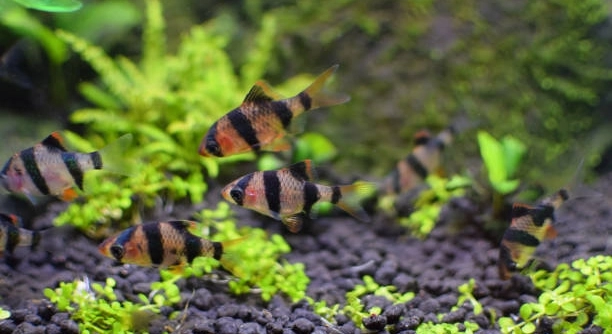
Do your tiger barbs sometimes swim in strange ways, leaving you wondering if something is wrong or just part of their behavior?
Tiger barbs might sleep upside down due to stress, illness, or poor water conditions. In some cases, this behavior can also indicate issues with their swim bladder, a vital organ that affects buoyancy and balance.
Learning what causes this behavior can help you spot early signs of trouble and create a safer, healthier tank environment for your fish.
Common Reasons Tiger Barbs Sleep Upside Down
Tiger barbs sometimes sleep in odd positions, including upside down. This can be normal if it happens occasionally and the fish quickly resumes swimming upright when awake. However, if it happens often, there may be an underlying issue. Poor water quality is one of the most frequent reasons. High levels of ammonia or nitrite can affect the fish’s ability to control its buoyancy. Overfeeding can also lead to swim bladder problems, making it hard for the fish to stay upright. Illness or stress from aggressive tankmates may contribute too. It’s important to observe the fish’s overall behavior, appetite, and appearance. If the upside-down position is paired with other signs like labored breathing or clamped fins, it’s best to investigate further. A clean tank, proper diet, and a calm environment often reduce this behavior and help maintain their health over time.
Sometimes, they simply rest in a tilted position without any health issues, especially at night.
Keep a close eye on water parameters using test kits. Doing regular partial water changes can prevent common issues and keep your tank stable.
How to Know When It’s a Problem
If your tiger barb is upside down for long periods or shows signs of distress, it could mean something more serious.
Swim bladder disorder is one of the most likely reasons your fish might lose balance and float in unusual ways. This disorder affects the fish’s ability to control its position in the water and is often triggered by poor water quality, overfeeding, or bacterial infections. Feeding peas (shelled and boiled) can sometimes help if the issue is diet-related. Be sure to isolate the fish if it continues showing symptoms to prevent stress or possible infection from spreading. Consistent water maintenance, a varied but controlled diet, and observation are essential. If the condition worsens or doesn’t improve, consult a vet who specializes in fish health. Acting early can make a big difference in how well your tiger barb recovers and can also help prevent future issues in your aquarium.
How Tank Conditions Affect Behavior
Dirty water, sudden temperature changes, or lack of oxygen can make tiger barbs act in strange ways. Upside-down swimming is often a signal that the tank environment isn’t meeting their needs, even if everything else seems normal.
Water quality plays a big role in fish behavior. Ammonia, nitrite, or nitrate levels that are even slightly off can cause stress or physical problems. Use a water testing kit at least once a week and perform partial water changes to keep things balanced. Also, check that your filter is working properly and that there’s enough oxygen in the water. A sudden drop in oxygen, especially at night, can make fish appear lifeless or make them swim oddly. Adding live plants and keeping a gentle water current can improve oxygen levels. Stability matters just as much as cleanliness, so avoid big shifts in temperature, pH, or lighting.
Lighting and rest cycles can also affect how tiger barbs behave. If lights stay on too long or the tank is too noisy at night, fish may get stressed or lose track of their natural rhythm. Try to give them a consistent light-dark cycle, and limit tank disturbances after lights go off. A peaceful, predictable setup supports healthy rest.
Signs It’s Just Sleep
If your tiger barb goes upside down only at night and returns to normal during the day, it’s likely just resting. Fish don’t close their eyes, but they do slow down and float in unusual positions when they sleep.
They may stay near the bottom or hover in place with less movement. As long as they react to light or motion and swim normally after resting, there’s usually no need to worry.
What to Do If It Continues
Start by checking your water parameters using a test kit. Look for ammonia, nitrite, nitrate, and pH imbalances. Do a partial water change if anything is off. Avoid overfeeding, as it can lead to swim bladder issues. Feed high-quality food in small amounts once or twice daily. Observe the fish’s behavior closely. If upside-down swimming continues throughout the day or is paired with other signs like floating, sinking, or lack of appetite, consider isolating the fish. Treatment may be needed depending on the cause. Keep the tank quiet, avoid sudden changes, and try feeding a peeled, cooked pea in case of constipation. If things don’t improve, consult a vet with experience in aquatic animals.
When to Ask for Help
If your fish is upside down often, shows signs of distress, or other fish start acting strangely, professional help may be needed. Don’t wait too long if basic care doesn’t fix the issue.
FAQ
Why do tiger barbs swim upside down sometimes?
Tiger barbs may swim upside down due to swim bladder problems, stress, poor water quality, or illness. The swim bladder helps control buoyancy, so any disruption can cause unusual swimming patterns. Stress from tank mates or sudden changes in the environment can also affect their balance.
Is upside-down swimming always a sign of sickness?
Not always. Sometimes fish rest or sleep in unusual positions without any health issues. However, if the behavior lasts long or is combined with other symptoms like loss of appetite, rapid breathing, or clamped fins, it usually means the fish is sick or stressed.
How can I improve my tank’s water quality?
Test your water regularly for ammonia, nitrite, nitrate, and pH levels using a reliable kit. Perform partial water changes of about 20–30% weekly. Make sure your filter is running well and clean it carefully without removing all beneficial bacteria. Avoid overfeeding, as leftover food can pollute the water.
Can diet affect my tiger barb’s swimming behavior?
Yes. Overfeeding or feeding poor-quality food can cause digestive problems and swim bladder issues. Feeding a varied diet with good pellets, flakes, and occasional frozen or live foods helps keep your fish healthy. If swim bladder problems occur, feeding shelled, cooked peas can sometimes relieve constipation.
What should I do if my fish is sick?
Isolate the affected fish in a quarantine tank to reduce stress and prevent spreading illness. Check water parameters carefully and maintain excellent cleanliness. Consider using appropriate medications if a bacterial or parasitic infection is suspected. Always follow instructions on any treatment and consult a vet if unsure.
How can I reduce stress for my tiger barbs?
Keep the tank environment stable with consistent temperature and lighting. Avoid sudden changes or loud noises near the tank. Provide hiding places like plants or decorations to help fish feel secure. Also, ensure your tiger barbs are kept in a group, as they are social fish and do better with company.
Is temperature important for tiger barbs?
Yes. Tiger barbs thrive between 74°F and 78°F (23°C–26°C). Temperatures outside this range can cause stress and health issues. Use a reliable heater and thermometer to maintain steady warmth and avoid rapid temperature changes.
How long can tiger barbs live?
With proper care, tiger barbs can live 5 to 7 years. Good water quality, a balanced diet, and a stress-free environment all contribute to a longer, healthier life.
Can other fish cause my tiger barbs to act strangely?
Yes. Aggressive tank mates or overcrowding can stress tiger barbs, leading to odd swimming or hiding behavior. Keep the tank balanced with compatible species and avoid overcrowding to reduce aggression.
When should I consult a vet?
If you notice persistent upside-down swimming along with other symptoms like lethargy, weight loss, fin damage, or abnormal spots, it’s time to seek professional advice. Early treatment improves chances of recovery.
Tiger barbs sleeping or swimming upside down can seem worrying at first. It is important to remember that not all upside-down swimming means something is seriously wrong. Sometimes fish rest in unusual positions, especially at night, and this behavior may be normal. However, if you notice the behavior lasting for long periods or combined with other signs like loss of appetite, difficulty swimming, or clamped fins, it is a signal to check further. Observing your fish closely will help you understand if they are simply resting or if they might be feeling unwell.
Water quality is one of the most important factors affecting your tiger barbs’ health and behavior. Poor water conditions, such as high ammonia, nitrite, or nitrate levels, can cause stress and illness, which might lead to upside-down swimming. Regular water testing and partial water changes are essential to keep the tank environment stable and healthy. Avoid overfeeding, as leftover food can pollute the water and cause digestive problems for the fish. Maintaining a consistent temperature and gentle water flow also supports their wellbeing. These simple steps often prevent many common problems and help your fish stay active and balanced.
If your tiger barb continues to swim upside down despite good care, you should consider swim bladder issues or illness as possible causes. Feeding boiled, shelled peas can sometimes help if constipation is the cause. Isolating the affected fish in a quarantine tank can reduce stress and allow you to monitor the condition closely. If symptoms do not improve or worsen, consulting a vet who specializes in fish is a good idea. Early intervention often leads to better recovery. Taking care of these details shows your dedication and will help your tiger barbs live a longer, healthier life.

Hello,
If you enjoy the content that we create, please consider saying a "Thank You!" by leaving a tip.
Every little bit helps us continue crafting quality advice that supports the health, happiness, and well-being of pets around the world, for pets of all shapes, sizes, and species.
We really appreciate the kindness and support that you show us!