
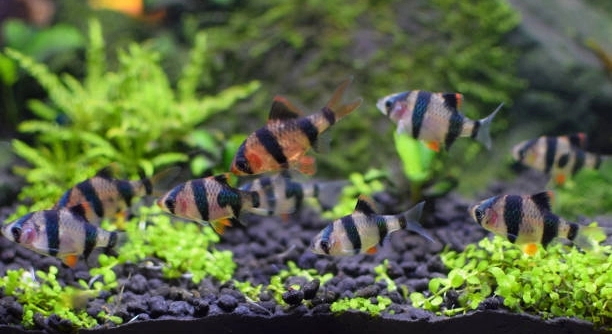
Tiger Barbs are colorful freshwater fish that often surprise hobbyists with their behavior. One curious habit is how they sometimes sleep out in the open, rather than hiding like many other fish. This article explores why that might be the case.
Tiger Barbs sleep in the open primarily due to their natural social and environmental adaptations. Their bold nature and schooling behavior reduce the risk of predation, allowing them to rest openly without the need for constant cover.
Understanding this behavior helps aquarists create better habitats that match their natural tendencies and keep these fish comfortable and healthy.
Natural Instincts and Behavior
Tiger Barbs come from fast-moving streams in Southeast Asia, where staying in groups offers protection. Their instinct drives them to swim together, making it harder for predators to target one fish. Sleeping in the open is a sign of trust in their group safety. These fish rely on their sharp senses to detect threats early, so hiding is not always necessary. In an aquarium setting, they may feel secure enough among their tank mates to rest openly. This behavior also shows their confidence and adaptability to the environment. They do not hide because they feel threatened; instead, their bold nature lets them relax in plain sight. Observing this behavior can give insight into their well-being and social dynamics within the tank.
Tiger Barbs’ open sleeping habit is linked to their social nature and safety in numbers.
Recognizing this helps maintain an environment that supports their natural instincts, encouraging healthy behavior and reducing stress.
Tank Environment and Lighting
Proper lighting impacts Tiger Barbs’ sleep habits.
Bright lights might keep them alert, while dimmer conditions encourage rest.
Maintaining a consistent light schedule mimics natural day and night cycles, helping Tiger Barbs develop a regular sleep pattern. They often prefer sleeping when the tank is quieter and lights are low. Providing plants and hiding spots is beneficial, but not always necessary for sleep. The right environment balances visibility with security. Sudden changes in lighting or environment can disturb their routine and cause stress. Observing how they respond to light can guide adjustments. Adjusting tank décor and light intensity can help Tiger Barbs feel comfortable enough to rest openly without feeling vulnerable. This understanding supports their natural habits and contributes to their overall health and calmness in captivity.
Sleep Patterns and Activity Levels
Tiger Barbs are naturally active fish but have distinct rest periods.
During these times, they reduce movement but don’t fully hide like some species. Their open resting helps maintain group cohesion and awareness of surroundings.
These fish tend to sleep more during low light or at night, but they remain alert enough to react quickly to changes. Their rest is light and intermittent, allowing them to respond rapidly to potential threats or changes in their environment.
Social Influence on Resting Behavior
Social dynamics greatly affect how Tiger Barbs rest. They feel safer in groups and tend to mimic each other’s behavior.
When one fish rests openly, others often follow, reinforcing group safety. Stress or aggression can disrupt this pattern, causing fish to hide more or act restless. Proper tank conditions and compatible tank mates support peaceful social interactions. Ensuring a stable group minimizes stress and allows natural open resting behavior. Observing their social cues can help identify when changes in the tank environment or group composition are needed. This promotes healthier behavior and reduces anxiety among Tiger Barbs.
Environmental Comfort
Tiger Barbs sleep openly when they feel comfortable in their surroundings.
Stable water conditions and a familiar environment reduce stress and encourage this behavior.
Impact of Tank Size
A spacious tank allows Tiger Barbs to swim freely and find ideal resting spots. Crowded tanks can increase stress, leading to more hiding and less open sleep.
Maintaining proper space supports their natural behavior and overall health.
Signs of Stress
Changes in sleep behavior can indicate stress or illness.
Monitoring their resting habits helps identify potential problems early.
FAQ
Why do Tiger Barbs sometimes sleep in the open?
Tiger Barbs sleep in the open mainly because of their natural behavior as schooling fish. They feel safer when they are in groups, which lowers their need to hide. Their instinct to stay alert while resting means they often rest where they can quickly see danger and react. This open sleeping is normal for them and shows they feel secure in their environment.
Is it normal for Tiger Barbs to sleep during the day?
Yes, Tiger Barbs can rest during the day, especially if the tank lighting is dim or if the environment is calm. They do not have deep sleep like mammals but have light rest periods. These rest times help them recharge while staying aware of their surroundings. Keeping a regular day-night cycle helps support their natural rest pattern.
Do Tiger Barbs need hiding spots to feel safe?
Hiding spots are helpful but not always necessary for Tiger Barbs to sleep. They prefer to be in groups, which provides safety. However, having plants or decorations to hide behind can reduce stress if the tank gets busy or if there are aggressive tank mates. Providing both open spaces and hiding places is ideal.
Can changes in tank lighting affect Tiger Barbs’ sleeping habits?
Yes, lighting has a big effect on their sleep. Bright or sudden light changes can stress them, making it harder to rest openly. A consistent lighting schedule that mimics natural daylight and night helps Tiger Barbs develop regular rest patterns. Dim lighting or gradual light changes at night encourage them to relax.
Why do some Tiger Barbs hide more than others?
Individual differences and stress levels cause some Tiger Barbs to hide more. New fish or those feeling threatened may seek cover more often. Aggression, illness, or poor water quality can also make them shy. Ensuring good tank conditions and peaceful group dynamics helps all fish feel comfortable enough to rest openly.
How can I tell if my Tiger Barbs are stressed?
Signs of stress include hiding frequently, erratic swimming, loss of appetite, or changes in color. If they stop resting openly and stay hidden, it might mean something is wrong. Stress can come from overcrowding, poor water quality, or aggressive tank mates. Checking these factors and making adjustments improves their well-being.
Does tank size affect Tiger Barbs’ sleeping behavior?
Tank size influences their comfort and rest. Smaller or overcrowded tanks increase stress, making fish hide more and reduce open sleeping. Larger tanks allow free movement and space for natural behavior. Providing at least 20 gallons for a small group supports their social needs and helps maintain regular rest.
Are Tiger Barbs active at night?
Tiger Barbs are mostly active during the day and rest at night. However, their rest is light, and they can react quickly to disturbances. In low light, they may reduce movement but stay alert. A peaceful tank environment supports better night rest, reducing stress and promoting healthy activity cycles.
What should I do if my Tiger Barbs don’t sleep openly?
If Tiger Barbs avoid open resting, check tank conditions first. Ensure water quality is good, lighting is consistent, and there is enough space and hiding spots. Also, watch for signs of aggression or illness. Improving the environment and group harmony usually helps them feel safe enough to rest openly again.
Can Tiger Barbs sleep while swimming?
Tiger Barbs don’t sleep while swimming but may reduce movement during rest periods. They often hover or stay still near the bottom or middle of the tank. This allows them to conserve energy while staying alert. Full sleep with immobility is rare in fish, and their rest is more about light, short breaks.
How does social behavior influence Tiger Barbs’ sleep?
Social behavior is key to their sleeping habits. When in groups, they feel safer and tend to rest openly together. If isolated or stressed by tank mates, they hide more. Maintaining a peaceful and properly sized group encourages natural open resting, reducing stress and promoting healthy social interaction.
Tiger Barbs are unique fish with natural behaviors that can sometimes surprise aquarists. Their habit of sleeping in the open reflects their social nature and instinctive trust in their group for safety. Unlike some fish that hide completely when resting, Tiger Barbs show confidence by remaining visible. This behavior is normal and shows that they feel secure in their environment. Understanding why they rest openly helps in creating a tank setup that meets their needs, making them healthier and less stressed.
Providing the right conditions plays an important role in encouraging Tiger Barbs to rest comfortably. Stable water quality, proper lighting, and enough space all contribute to their well-being. A consistent day-night cycle supports their natural sleep patterns, while tank decorations and plants offer options for hiding if needed. Grouping Tiger Barbs with peaceful tank mates also reduces stress and allows them to express natural behaviors. Watching how they interact and rest can offer useful clues about their health and comfort level in the tank.
Keeping Tiger Barbs happy means paying attention to their environment and social needs. When they sleep openly, it is a good sign of trust and comfort. If changes in behavior or hiding occur, it may signal stress or issues that need attention. Simple adjustments like improving water conditions or reducing aggression can make a big difference. In the end, understanding these fish better helps provide a supportive home where they can thrive naturally and display their unique resting habits without worry.

Hello,
If you enjoy the content that we create, please consider saying a "Thank You!" by leaving a tip.
Every little bit helps us continue crafting quality advice that supports the health, happiness, and well-being of pets around the world, for pets of all shapes, sizes, and species.
We really appreciate the kindness and support that you show us!