
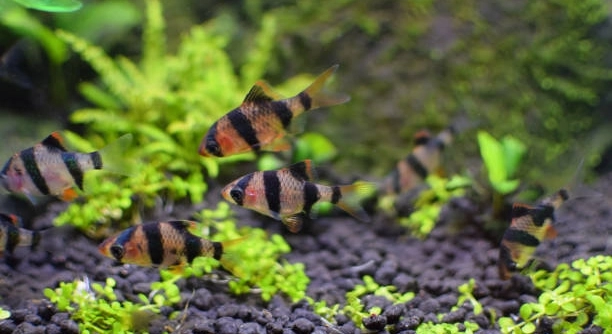
Tiger barbs are lively freshwater fish often found in home aquariums. Their behavior can sometimes puzzle owners, especially when they rub against plants. Understanding why this happens can help maintain a healthy tank environment.
Tiger barbs rub against plants primarily to relieve irritation caused by parasites, skin infections, or minor injuries. This behavior, known as “flashing,” helps them soothe discomfort and remove unwanted irritants from their scales.
This article explores the reasons behind this behavior and what it means for your fish’s health and tank care.
Common Causes of Plant Rubbing Behavior
Tiger barbs often rub against plants when they experience discomfort. One frequent cause is the presence of external parasites, such as ich or flukes, which irritate their skin and scales. These tiny invaders latch onto the fish, causing itching and prompting the barbs to seek relief by rubbing against surfaces. Another cause can be minor injuries or abrasions from tank decorations or rough handling. Additionally, water quality issues like high ammonia or nitrite levels can stress the fish and lead to skin irritation. When these fish feel uncomfortable, rubbing is a natural response to ease the irritation and remove foreign particles. Observing your tiger barbs closely during this behavior can help identify underlying problems early, preventing more serious health issues.
Regular tank maintenance and monitoring water parameters reduce the chance of irritation causing this rubbing behavior in tiger barbs.
Proper water conditions and parasite prevention are essential for stopping discomfort and keeping your fish healthy and calm.
How to Address and Prevent Rubbing Behavior
Improving water quality is the first step to preventing irritation that causes rubbing. Regular water changes and testing for ammonia, nitrites, and nitrates keep the environment safe. Introducing aquarium-safe plants can provide natural rubbing spots without harming the fish. If parasites are suspected, a quarantine and treatment plan may be necessary. Using medications recommended for common external parasites can quickly relieve symptoms. Avoid overcrowding, as stress from too many fish in one tank worsens irritation and aggressive behavior. Feeding a balanced diet strengthens the fish’s immune system and skin health. Observing your fish daily helps catch problems early, allowing for timely intervention. Keeping the tank clean, well-planted, and stress-free will reduce rubbing behavior and promote overall well-being.
Signs to Watch For
When tiger barbs rub against plants, look for signs like flashing—rapid rubbing followed by quick darting. Scratches, redness, or missing scales may appear on their bodies. Changes in behavior such as lethargy or loss of appetite often accompany irritation. These signs help identify if the rubbing is a symptom of a deeper issue.
Persistent rubbing usually indicates ongoing irritation from parasites or poor water quality. Parasites like ich leave white spots, while bacterial infections cause redness and swelling. Poor water conditions stress fish, making them more vulnerable. If rubbing is combined with other symptoms, immediate water testing and treatment are necessary to protect your fish.
Careful observation can prevent worsening conditions. Addressing problems early improves recovery chances and keeps your aquarium environment stable. Ignoring these signs may lead to serious health decline or even death.
Impact of Aquarium Plants on Fish Behavior
Aquarium plants provide surfaces for rubbing and natural hiding spots. Soft-leaved plants reduce the risk of injury compared to rough or sharp-edged species. Some plants also improve water quality by absorbing nitrates and offering oxygen. Healthy plants contribute to a more comfortable and balanced tank environment, indirectly reducing fish stress.
Choosing the right plants matters. Species like Java fern and Anubias are gentle and hardy, perfect for tanks with active fish like tiger barbs. Plants can also encourage natural behaviors, offering enrichment that lessens boredom and aggression. However, overcrowded plants might limit swimming space, which can increase stress.
Maintaining a healthy plant setup involves regular pruning and cleaning to prevent decay, which could degrade water quality. Proper plant care supports your tiger barbs’ health and reduces behaviors linked to discomfort.
Tank Environment and Its Role
A clean, well-maintained tank reduces irritation that causes rubbing. Filtration and regular water changes keep toxins low, protecting fish skin.
Stable water temperature and pH levels also prevent stress. Sudden changes make tiger barbs uneasy, increasing rubbing behavior.
Feeding Habits and Skin Health
A balanced diet rich in vitamins supports skin repair and immune defense. Poor nutrition weakens their ability to fight infections and parasites. Feeding high-quality flakes or pellets supplemented with occasional live foods helps maintain their health.
When to Seek Professional Help
If rubbing continues despite good care, a vet or aquatic specialist’s advice is necessary. Persistent symptoms may signal serious infections or conditions needing treatment.
FAQ
Why do tiger barbs rub against plants more than other surfaces?
Tiger barbs often prefer plants because the soft leaves provide gentle relief without causing injury. Rough decorations or tank walls might hurt them more, so plants offer a safer way to ease itching or irritation. Plants also mimic natural environments where fish would rub against vegetation in the wild.
Can rubbing cause harm to tiger barbs?
Yes, frequent rubbing can lead to damaged scales or open wounds if the fish scrape too hard or against sharp surfaces. This damage increases the risk of infections. That’s why it’s important to ensure the rubbing isn’t due to untreated parasites or poor water conditions.
How can I tell if rubbing is due to parasites?
Look for additional symptoms like white spots (ich), redness, or inflammation. The fish might flash repeatedly or show signs of distress like hiding or reduced appetite. Testing water quality and consulting treatment guides for common parasites can help confirm the cause.
Are all plants safe for tiger barbs to rub against?
No, some plants have rough or spiky leaves that might hurt the fish. Choose smooth, hardy plants like Anubias, Java fern, or Amazon sword. These provide safe surfaces for rubbing and contribute positively to the tank environment.
Will improving water quality stop the rubbing behavior?
Improving water quality often reduces irritation and rubbing because poor water conditions stress fish and make them prone to infections. Regular testing, water changes, and proper filtration maintain a healthy environment that supports skin health.
Should I treat my fish immediately if they start rubbing?
Not always. Occasional rubbing can be normal, but persistent or intense rubbing usually signals an issue. Observing other symptoms and testing water quality first helps decide if treatment is necessary.
Can diet affect rubbing behavior?
Yes, a poor diet weakens fish immune systems, making them more vulnerable to infections and skin problems. Feeding a balanced diet with high-quality pellets and occasional live or frozen foods supports their overall health and skin condition.
How often should I clean the tank to prevent rubbing issues?
A weekly partial water change of about 20-30% is generally recommended. Cleaning the substrate and removing waste reduces toxins. Over-cleaning can also stress fish, so balance is key.
Is it normal for tiger barbs to rub against plants occasionally?
Yes, occasional rubbing is natural as fish explore their environment or try to remove minor irritations. It only becomes a concern when it happens frequently or leads to physical damage.
Can tank mates affect rubbing behavior?
Aggressive or overly active tank mates can stress tiger barbs, causing them to rub or flash more. Ensuring compatible species and avoiding overcrowding helps reduce stress-related behaviors.
What treatments are safe if parasites cause rubbing?
Medications designed for freshwater fish parasites like ich or flukes are effective. Always follow dosage instructions and quarantine new fish before adding them to the main tank to prevent outbreaks.
How can I monitor if my treatment is working?
Track the frequency of rubbing and any visible signs of improvement like reduced spots or healed skin. Water parameters should also stabilize, and the fish’s behavior should return to normal.
Are there natural remedies to reduce rubbing?
Some aquarists use aquarium salt or herbal treatments, but these should be used cautiously and according to guidelines. Natural plants and clean water remain the best preventative measures.
What should I do if rubbing is caused by injury?
Remove sharp objects from the tank and monitor the fish closely. Injuries should heal quickly if water quality is good. Severe wounds might require antibacterial treatments or professional advice.
Can stress cause tiger barbs to rub against plants?
Yes, stress from poor water conditions, tank mates, or environmental changes can lead to rubbing. Maintaining stable conditions and reducing stressors improves their health and behavior.
Tiger barbs rubbing against plants is a common behavior that usually signals some form of discomfort or irritation. This rubbing helps them relieve itching caused by parasites, minor injuries, or poor water conditions. While it might seem like a harmless action, frequent rubbing can indicate a problem that needs attention. Keeping an eye on your fish’s behavior and physical condition is important to catch any health issues early.
Maintaining a clean and stable tank environment plays a key role in reducing rubbing behavior. Regular water changes, proper filtration, and stable temperature help prevent skin irritation and stress. Choosing soft-leaved aquarium plants provides safe surfaces for the fish to rub against without causing injury. A well-planted tank can also improve water quality, making the fish healthier overall. Along with good tank care, feeding a balanced diet supports the immune system and skin repair, reducing the chances of rubbing due to health problems.
If rubbing becomes frequent or is paired with other symptoms like redness, missing scales, or spots, it’s important to act quickly. Testing water quality and treating parasites or infections early can prevent more serious health problems. Sometimes, consulting a vet or aquatic specialist may be necessary for proper diagnosis and treatment. Paying attention to your tiger barbs’ needs and environment helps keep them comfortable and thriving, making your aquarium a healthier place for all its inhabitants.

Hello,
If you enjoy the content that we create, please consider saying a "Thank You!" by leaving a tip.
Every little bit helps us continue crafting quality advice that supports the health, happiness, and well-being of pets around the world, for pets of all shapes, sizes, and species.
We really appreciate the kindness and support that you show us!