
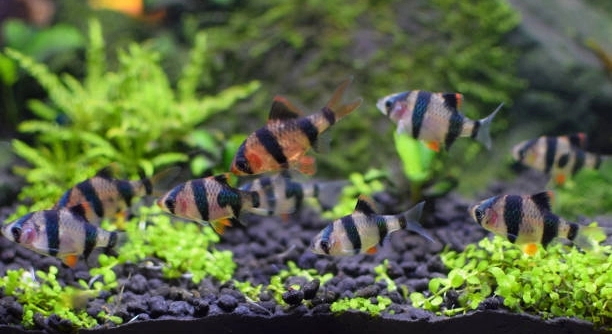
Tiger Barbs are active and colorful fish often found in home aquariums. Their behavior can sometimes seem puzzling, especially when they rest quietly beneath leaves. Understanding this habit can help aquarists provide a better environment for their fish.
Tiger Barbs often rest under leaves to feel secure and reduce stress. The shaded area mimics their natural habitat, offering protection from predators and strong light. This behavior supports their need for comfort and safety within the aquarium.
Observing this simple behavior can reveal important clues about your fish’s well-being and how to maintain a healthy tank environment.
The Role of Shelter in Tiger Barbs’ Behavior
Tiger Barbs naturally seek shelter to feel safe and reduce exposure to threats. In the wild, these fish live in dense vegetation where leaves and plants provide shade and hiding spots. This environment helps them avoid predators and strong sunlight, which can be stressful. In an aquarium, leaves act as a substitute for this shelter. When Tiger Barbs rest under leaves, they are instinctively protecting themselves. The shaded area also helps regulate their body temperature and lowers stress levels. Providing ample plant coverage in your tank creates a more comfortable space for your fish. This behavior is a sign that your fish feel secure, which is essential for their overall health and activity.
Shelter is a key factor in maintaining a low-stress environment for Tiger Barbs. Leaves offer more than just hiding spots—they support their natural instincts.
Tank plants and leaf cover should be arranged to allow Tiger Barbs easy access to shaded areas. Choosing broad-leafed plants helps mimic their native habitat better. This setup encourages natural behaviors and promotes a calmer fish population. When fish feel safe, they are more likely to show vibrant colors and active swimming. It is also important to balance light exposure, as excessive brightness can cause them to seek shelter more often. Providing a consistent, secure environment reduces stress-related illnesses. Keeping your aquarium clean and stable, along with good plant coverage, supports these resting behaviors and helps Tiger Barbs thrive.
How Light Affects Resting Behavior
Tiger Barbs prefer moderate lighting and often rest under leaves to avoid harsh brightness.
Bright aquarium lights can cause stress in Tiger Barbs, making them seek shaded areas more frequently. Their natural habitat typically features dappled sunlight filtered through plants. Sudden or intense lighting can be overwhelming, leading to hiding and reduced activity. Adjusting light levels to simulate a natural environment helps the fish feel more at ease. Use dimmers or timers to maintain a consistent light cycle, which encourages healthy behavior. Observing where Tiger Barbs choose to rest can indicate if the lighting is appropriate. If they frequently hide, consider reducing light intensity or increasing plant cover. Ensuring proper lighting balances activity and rest, which is crucial for the fish’s well-being and longevity in captivity.
Resting Patterns of Tiger Barbs
Tiger Barbs tend to rest during periods of low activity, often under leaves or plants. This behavior helps them conserve energy and feel safe from disturbances in the tank.
These fish are naturally active but need moments to rest. During these times, they prefer shaded, sheltered spots that provide protection. Resting under leaves reduces their exposure to light and movement, making them less vulnerable. This pattern repeats daily, usually coinciding with dimmer lighting phases or quieter tank conditions. Observing these patterns can help aquarists understand their fish’s needs better and adjust tank care accordingly.
Consistent resting habits indicate that Tiger Barbs are comfortable in their environment. If they avoid resting or appear restless, it could signal stress or poor tank conditions. Providing appropriate shelter and maintaining stable tank parameters supports healthy resting behaviors. Additionally, ensure feeding schedules and tank maintenance do not disrupt these natural patterns. Recognizing and supporting their resting habits contributes to the fish’s overall health and longevity in captivity.
The Importance of Tank Environment
A well-structured tank environment directly influences Tiger Barbs’ comfort and resting habits. Proper plant coverage and hiding places are essential. Without enough shelter, fish may feel exposed and stressed.
Stable water conditions and proper filtration also impact resting behavior. Fluctuating water quality or temperature can increase stress, causing Tiger Barbs to hide excessively or become restless. Providing a balanced environment with consistent parameters reduces stress and encourages natural behaviors like resting under leaves. Plant choice matters as well; broad leaves offer better shade and protection than thin or sparse plants. Regular tank maintenance ensures clean water and healthy plants, both of which contribute to a supportive habitat. Attention to these factors helps Tiger Barbs settle into comfortable resting routines, improving their overall health and activity levels.
Feeding Habits and Resting Behavior
Tiger Barbs often rest under leaves after feeding. This helps them digest their food calmly.
Feeding times can influence when and where they choose to rest. A well-fed fish is more likely to seek shelter and recover peacefully.
Stress and Its Impact on Resting Patterns
Stress causes Tiger Barbs to hide more frequently under leaves. Changes in tank conditions or aggressive tank mates can increase this behavior, signaling discomfort.
How to Encourage Healthy Resting Habits
Providing a balanced diet, stable water conditions, and plenty of plant cover supports natural resting behavior in Tiger Barbs.
Monitoring Resting Spots for Health Signals
Changes in resting locations or behavior may indicate health issues. Regular observation helps catch problems early.
Why do Tiger Barbs hide under leaves so often?
Tiger Barbs hide under leaves primarily for safety and comfort. The leaves provide a shaded, protected area that mimics their natural habitat. This behavior helps them avoid bright light, reduce stress, and feel secure from potential threats. In an aquarium setting, hiding under leaves also helps them regulate their body temperature and rest without disturbance.
Is resting under leaves a sign of illness in Tiger Barbs?
Resting under leaves is usually normal behavior and not a sign of illness. However, if the fish remains motionless for long periods, shows signs of lethargy, or exhibits unusual physical symptoms like faded color or clamped fins, it could indicate a health problem. Observing other behaviors alongside resting can help determine if veterinary attention is needed.
How much plant cover is ideal for Tiger Barbs?
A tank with 40 to 60 percent plant coverage is ideal. Broad-leaf plants are especially helpful as they create shaded areas for resting. Too few plants may make Tiger Barbs feel exposed and stressed, while too many can reduce swimming space. Striking a balance ensures the fish have enough shelter and room to move freely.
Do Tiger Barbs prefer specific types of leaves for resting?
Tiger Barbs favor broad, sturdy leaves that provide ample shade and support. Plants like Anubias, Java Fern, and Amazon Swords work well. Floating plants can also offer shade from above. Thin or delicate leaves are less useful since they don’t offer much protection or support for resting.
Can lighting affect how often Tiger Barbs rest under leaves?
Yes, lighting plays a major role. Bright, intense light can cause Tiger Barbs to seek shade more frequently. Using adjustable or dimmable aquarium lights, or providing floating plants for natural shade, helps mimic their natural environment. This reduces stress and balances their activity and resting periods.
Should I worry if Tiger Barbs rest in open areas instead of under leaves?
Not necessarily. Tiger Barbs sometimes rest in open areas, especially if they feel safe and the environment is calm. It can also happen when plants or cover are limited. However, consistent resting in open spaces might indicate a lack of adequate shelter or high stress levels in the tank.
Does tank size impact resting behavior?
Tank size can influence resting behavior. Smaller tanks may limit hiding spots and increase stress, causing Tiger Barbs to hide more or become restless. Larger tanks allow for more plants and hiding places, creating a better environment for natural resting patterns. Providing enough space reduces competition and improves overall well-being.
How often should I observe resting behavior?
Regular daily observation is important. Watching Tiger Barbs during different times of the day can reveal their resting habits and overall health. Noting any changes in resting spots or frequency helps detect stress or illness early, allowing timely adjustments to tank conditions or care.
Can other tank mates affect resting under leaves?
Yes, aggressive or overly active tank mates can cause Tiger Barbs to hide more often. Competition for space or food might increase stress, leading to more frequent resting under leaves. Choosing compatible species and providing enough hiding spots helps reduce this problem and supports peaceful resting habits.
Does water temperature influence resting behavior?
Water temperature affects fish metabolism and energy levels. If the tank is too warm or too cold, Tiger Barbs may become lethargic or overly active. Maintaining a stable temperature around 74-78°F (23-26°C) encourages normal resting and activity cycles. Sudden temperature changes should be avoided as they increase stress.
How can I tell if Tiger Barbs are resting or sick?
Resting Tiger Barbs remain alert and respond to stimuli, like movement or feeding time. Sick fish may appear listless, show abnormal swimming, or lose appetite. Faded coloration, frayed fins, or abnormal breathing also signal illness. Monitoring these signs alongside resting behavior helps identify health issues promptly.
What is the best way to provide shelter without overcrowding the tank?
Use a mix of tall plants, floating plants, and strategically placed decorations to create hiding spots without overcrowding. Aim for a balance that offers shelter but leaves plenty of open swimming space. This approach satisfies the fish’s need for safety and natural behavior while keeping the tank comfortable.
Can Tiger Barbs become stressed if they don’t have enough places to rest?
Yes, a lack of shelter can increase stress levels. Stress weakens the immune system and can lead to aggressive behavior or illness. Providing enough leaves, plants, or décor for resting is essential to maintain their mental and physical health.
Should feeding times be adjusted based on resting behavior?
Feeding times should be consistent and not disturb resting periods. Feeding during low-activity phases encourages healthy digestion and reduces stress. Avoid overfeeding, which can affect water quality and fish health. Observing when Tiger Barbs rest can help time feedings more effectively.
Is it normal for Tiger Barbs to rest more during the day or night?
Tiger Barbs are diurnal, so they are more active during the day and rest more at night. However, they may take short rest breaks during the day, especially in shaded areas. Ensuring a natural light-dark cycle supports these resting and activity patterns.
Can changes in tank setup disrupt resting behavior?
Significant changes, like rearranging plants or decorations, can temporarily stress Tiger Barbs and alter their resting spots. Fish may hide more or become restless until they adjust. Making gradual changes and monitoring their response helps maintain stable resting behavior.
Resting under leaves is a natural and important behavior for Tiger Barbs. It reflects their need for safety, comfort, and a suitable environment. Leaves and plants provide essential shelter that helps reduce stress and mimic their natural habitat. When Tiger Barbs choose to rest beneath leaves, it is usually a sign that they feel secure and relaxed in their aquarium. This behavior supports their well-being and helps them maintain good health over time. Observing where and how often your fish rest can give useful insights into their comfort levels and the quality of their living space.
Maintaining a proper tank environment is key to supporting these resting habits. Providing adequate plant coverage, balanced lighting, and stable water conditions creates a comfortable home for Tiger Barbs. Too much light or lack of shelter can cause stress, leading fish to hide more or behave unusually. Regular tank maintenance and attention to water quality also play important roles. By paying close attention to the needs of your Tiger Barbs, you encourage natural behaviors that promote a healthier and more active fish population. When fish are calm and rested, they often display brighter colors and more lively swimming patterns.
Understanding why Tiger Barbs rest under leaves helps aquarists improve their care techniques. Offering a secure and peaceful environment benefits the fish physically and emotionally. Rest is vital for their digestion, energy conservation, and stress reduction. Small changes like adding broad-leaf plants or adjusting lighting can make a noticeable difference. Being mindful of these details ensures your Tiger Barbs thrive and enjoy a balanced, healthy life. Watching their resting behavior can also help detect early signs of illness or discomfort, allowing timely interventions. Overall, respecting these natural habits enhances the experience of keeping Tiger Barbs as pets.

Hello,
If you enjoy the content that we create, please consider saying a "Thank You!" by leaving a tip.
Every little bit helps us continue crafting quality advice that supports the health, happiness, and well-being of pets around the world, for pets of all shapes, sizes, and species.
We really appreciate the kindness and support that you show us!