
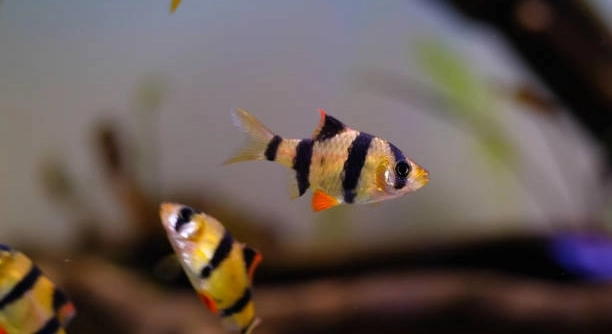
Tiger barbs are lively and colorful fish often kept in home aquariums. Many owners notice their fish sometimes bump into decorations without an obvious reason. Understanding this behavior can help create a better environment for them.
Tiger barbs may ram into decorations due to their natural territorial instincts, stress, or poor water conditions. These factors can cause erratic swimming or aggression, leading to collisions with objects in the tank. Adjusting tank setup and monitoring health can reduce this behavior.
Learning why tiger barbs behave this way will help improve their well-being and keep your aquarium peaceful and attractive.
Understanding Territorial Behavior in Tiger Barbs
Tiger barbs are naturally territorial fish, especially when kept in small or overcrowded tanks. They establish spaces they consider their own and defend them from others. When these boundaries are challenged, they swim quickly and may bump into decorations or tank walls. This behavior is common during feeding or when new fish are introduced. Over time, if the tank does not provide enough space or hiding spots, the fish can become more aggressive, leading to frequent collisions. Providing adequate space and visual barriers can help reduce territorial stress. Decorations like plants or caves offer hiding places and can break the line of sight, calming the fish and encouraging healthier interactions. Observing your fish’s movement patterns closely will help identify signs of stress and territorial disputes early, allowing you to adjust the environment accordingly.
Territorial aggression in tiger barbs is often linked to their natural instincts and tank conditions. Managing their space is key.
Creating a balanced environment with enough room and visual breaks can prevent aggressive behaviors. A peaceful tank reduces accidents and keeps your tiger barbs healthier and happier.
How Water Quality Affects Tiger Barb Behavior
Poor water quality can cause stress in tiger barbs, making them swim erratically or bump into objects. They are sensitive to changes in pH, ammonia, nitrites, and temperature. When water parameters are off, fish may act nervous or restless. Regular testing and maintenance are essential to keep water conditions stable. Changing water partially every week and using a reliable filter helps maintain cleanliness. Also, avoid overcrowding the tank, as too many fish increase waste and stress levels. Keeping water quality high reduces aggressive or nervous behavior, making your fish swim calmly and explore their environment safely. Watching for sudden changes in behavior often signals a water issue that needs attention quickly.
Good water quality supports calm and healthy tiger barbs.
A stable aquatic environment improves your fish’s behavior and overall health, reducing the chances of collisions with decorations and making your aquarium more enjoyable to watch.
The Role of Tank Size and Setup
A tank that is too small can increase stress and cause tiger barbs to bump into decorations. They need space to swim freely and establish territories. Providing an adequately sized tank with enough hiding spots helps reduce aggressive and erratic behavior.
Choosing the right tank size is crucial for tiger barbs. A minimum of 20 gallons is recommended for a small group to prevent overcrowding. Decorations should be arranged to create clear swimming paths, avoiding cluttered or tight spaces. Smooth surfaces on decorations reduce the risk of injury if the fish do collide. Positioning plants and rocks strategically allows tiger barbs to hide and explore without constant confrontation. This setup supports their natural behavior and limits stress-induced ramming.
Remember, a well-planned aquarium not only looks better but also supports your tiger barbs’ health. Giving them space and thoughtful decoration placement helps keep their activity calm and reduces accidents with tank items.
Stress and Its Impact on Behavior
Stress causes tiger barbs to swim erratically and sometimes ram into objects. Factors like sudden changes, loud noises, or aggressive tank mates can trigger this behavior.
When stressed, tiger barbs may act unpredictably, swimming quickly and bumping into decorations. Stress weakens their immune system, making them vulnerable to illness. Identifying stress sources early, such as poor water quality, incompatible fish, or overcrowding, is important. Reducing noise and maintaining stable conditions can calm them. Introducing compatible tank mates and providing hiding spots also lowers stress. Keeping the environment consistent helps tiger barbs feel safe and less likely to collide with objects during sudden movements or fights.
Injury and Health Issues
Injuries or health problems can make tiger barbs swim erratically and bump into decorations. Pain or discomfort may affect their movement. It is important to monitor their condition closely.
If you notice unusual behavior or visible wounds, consider consulting a vet or aquatic specialist. Early treatment helps prevent worsening conditions and keeps your fish active and safe.
Lighting and Its Effect on Tiger Barbs
Improper lighting can stress tiger barbs and cause disorientation. Bright or flickering lights may startle them, leading to sudden darting and collisions. Using gentle, consistent lighting and providing shaded areas helps fish feel secure. A natural day-night cycle supports their health and calm behavior.
Feeding Habits and Movement
Overfeeding or irregular feeding can cause restlessness. Feeding small, consistent amounts encourages calmer swimming and reduces frantic movements around decorations.
FAQ
Why do tiger barbs keep ramming into the tank glass?
Tiger barbs may ram into the tank glass due to stress, territorial behavior, or reflections they mistake for other fish. Reflections can confuse them, causing them to swim aggressively toward the glass. Reducing bright light near the tank or using a background can help minimize reflections. Also, ensure the tank size is sufficient and the water quality is good to lower stress-related behaviors.
Can overcrowding cause tiger barbs to hit decorations?
Yes, overcrowding increases competition for space and causes stress. When too many fish are in a small tank, tiger barbs may swim erratically or aggressively, leading to collisions with decorations. Providing enough space and hiding spots reduces stress and allows fish to establish their own territories without constant conflict.
How can I tell if my tiger barb is stressed?
Signs of stress include rapid or erratic swimming, loss of color, hiding more than usual, or refusing food. Stress can also make them more prone to disease. Monitoring these signs and checking water quality regularly helps catch problems early. Adjusting the environment or tank mates can improve their comfort.
Is it normal for tiger barbs to be aggressive?
Tiger barbs are known for their semi-aggressive nature, especially toward slower or long-finned fish. They chase and nip fins as part of their social behavior. However, this aggression should not be excessive. Proper tank size, group numbers (at least six or more), and hiding places help balance their interactions.
Could poor water quality cause this behavior?
Absolutely. Poor water conditions, such as high ammonia or nitrite levels, can stress tiger barbs, making them swim unpredictably and bump into things. Regular water testing, partial water changes, and good filtration maintain a healthy environment, reducing erratic behavior.
Do tank decorations influence tiger barb behavior?
Yes, the type and arrangement of decorations affect their swimming patterns. Sharp or overly crowded decorations can lead to injury when fish dart around. Smooth surfaces and open swimming areas combined with hiding spots create a safer and more comfortable environment, minimizing collisions.
How important is tank size for tiger barbs?
Tank size is very important. Small tanks restrict their movement and increase stress. At least 20 gallons is recommended for a small group, giving enough space to swim and establish territories. Larger tanks help reduce aggressive behavior and accidental collisions.
Can lighting affect tiger barb behavior?
Lighting impacts their comfort and activity levels. Bright, flickering, or inconsistent lighting can stress them, causing sudden darting and ramming into decorations. Using stable, moderate lighting with shaded areas supports calmer behavior.
What can I do if my tiger barb is injured from bumping decorations?
If injuries occur, isolate the fish in a hospital tank if possible to prevent infection and allow healing. Keep the main tank clean and smooth decorations to reduce injury risks. Monitor water quality closely, as poor conditions delay recovery.
How often should I feed tiger barbs to keep their behavior calm?
Feeding small amounts two to three times daily helps maintain stable energy levels. Overfeeding or irregular feeding can cause restlessness or frantic swimming, increasing the chance of collisions with decorations. Consistent feeding routines promote calmer behavior.
Final thoughts on tiger barbs and their behavior around decorations focus on understanding their natural instincts and tank needs. These fish are active and social but can become stressed or aggressive if their environment is not suitable. It is important to remember that their ramming into decorations is often a sign of something wrong, such as stress, poor water quality, or overcrowding. Paying attention to these signs helps keep the fish healthy and the aquarium peaceful.
Providing a properly sized tank with enough space and hiding spots is one of the best ways to reduce unwanted behavior. Tiger barbs feel safer when they can establish territories and have places to hide. Decorations should be chosen and arranged carefully to avoid clutter or sharp edges that might hurt the fish. Maintaining clean, stable water conditions also plays a big role in keeping them calm. Regular testing and water changes help prevent stress caused by poor water quality. When all these factors are balanced, the fish will swim more naturally and avoid bumping into objects.
Lastly, understanding tiger barbs’ needs and behavior helps create a better environment for them. They can be lively and sometimes aggressive, but with the right care, their behavior can improve significantly. Watching for stress signals and making adjustments as needed supports their health and happiness. A well-maintained tank with good water quality, proper decoration placement, and appropriate tank mates makes a positive difference. This way, tiger barbs can live comfortably and safely, reducing the chance of accidents with decorations.

Hello,
If you enjoy the content that we create, please consider saying a "Thank You!" by leaving a tip.
Every little bit helps us continue crafting quality advice that supports the health, happiness, and well-being of pets around the world, for pets of all shapes, sizes, and species.
We really appreciate the kindness and support that you show us!