
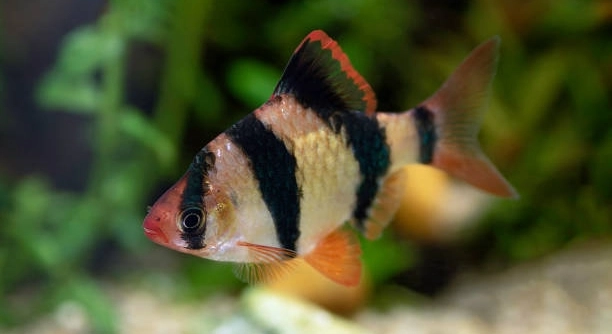
Tiger Barbs are lively, colorful fish that many enjoy keeping in home aquariums. However, these fish can sometimes act nervously and dart around suddenly, which may surprise their owners. Understanding why this happens can improve your experience with them.
Tiger Barbs often panic due to sudden movements, loud noises, or unfamiliar handling. These fish are naturally skittish and sensitive to changes in their environment, which triggers a stress response. Proper care and gentle interaction help reduce their panic behavior.
Learning the causes behind their sudden panic can help you create a calmer space for your Tiger Barbs. This knowledge supports better care and a more peaceful aquarium environment.
Causes of Panic in Tiger Barbs
Tiger Barbs can become startled by sudden movements near their tank. When a hand quickly passes over the water or a loud noise occurs, they may dart around in panic. Their natural instincts make them cautious, especially since they live in environments with predators. Changes in water quality, like fluctuations in temperature or pH, also stress these fish. Even overcrowding or aggressive tank mates can cause anxiety. It is important to maintain stable water conditions and avoid sudden disturbances. Providing plenty of hiding spots helps them feel secure. Over time, gentle and consistent care can help reduce their stress levels. Understanding their natural behaviors allows you to create a safer, more comfortable space for them.
Avoid tapping the glass or moving too quickly around the aquarium. These actions often increase their panic response.
Taking steps to minimize stressors is essential for the well-being of Tiger Barbs. Calm movements and a stable environment create a healthier tank, reducing the frequency of panic episodes. Consistent care shows in their behavior and health.
How to Calm Panicked Tiger Barbs
Reducing stress starts with creating a quiet environment. Avoid loud noises or sudden movements around the tank. Consistency in care routines helps fish feel secure and less likely to panic.
Providing ample hiding spots with plants or decorations lets Tiger Barbs retreat when they feel threatened. These safe spaces lower stress levels and encourage natural behavior. Maintaining stable water parameters—temperature, pH, and cleanliness—also plays a major role in calming them. When water conditions fluctuate, fish become more vulnerable and uneasy, leading to panic swimming. Regular water testing and partial water changes keep their environment steady and comfortable.
Interacting gently and slowly during feeding or maintenance decreases their fear. Avoid tapping on the glass or quickly changing tank decorations. Gradual changes give them time to adjust, which helps build trust and reduces sudden stress responses.
Importance of Proper Tank Setup
A well-organized tank supports calmer Tiger Barbs. Providing enough space for swimming and hiding reduces competition and territorial aggression. Overcrowding causes stress, increasing the chances of panic behavior. Appropriate tank mates also matter, as aggressive fish can intimidate Tiger Barbs.
Using plants, rocks, or caves offers shelter and visual barriers that reduce stress. These elements simulate natural conditions and allow fish to feel protected. Clean, stable water conditions combined with thoughtful tank design improve their overall health and behavior. When their environment meets their needs, Tiger Barbs display more natural, relaxed swimming patterns, making the aquarium a peaceful place to watch.
Signs of Stress in Tiger Barbs
Tiger Barbs that panic often swim erratically and hide more than usual. They may lose their bright coloration or stop eating altogether. These behaviors indicate they are feeling stressed and uncomfortable.
Watch for frequent darting or clamping of fins. Stress can weaken their immune system, making them prone to illness if not addressed quickly.
How Tank Lighting Affects Behavior
Bright or flashing lights can startle Tiger Barbs, causing panic reactions. Soft, consistent lighting mimics their natural habitat better and helps them feel safe. Adjusting light intensity gradually prevents sudden changes that could stress the fish.
Feeding Habits and Panic
Sudden movements during feeding can scare Tiger Barbs. Feed calmly and avoid dropping food too quickly to reduce panic.
Feeding them at the same time daily helps establish a routine, which lowers stress.
FAQ
Why do Tiger Barbs suddenly panic and swim erratically?
Tiger Barbs panic mainly due to sudden changes in their environment. Loud noises, fast movements near the tank, or changes in water conditions can startle them. Their natural instincts make them wary of predators, so any unexpected stimulus triggers a quick, erratic swim to escape perceived danger.
How can I reduce my Tiger Barbs’ panic behavior?
To reduce panic, keep the tank environment stable and quiet. Avoid tapping on the glass or sudden movements near the aquarium. Provide plenty of hiding spots using plants or decorations. Maintaining steady water quality and temperature is also important. Slow, gentle interactions during feeding or tank maintenance help the fish adjust and feel safer.
Are Tiger Barbs aggressive towards each other?
Yes, Tiger Barbs can be somewhat aggressive, especially in smaller groups or overcrowded tanks. They tend to nip fins and chase each other, which can increase stress and cause panic. Keeping them in groups of six or more helps spread out aggression and lowers tension in the tank.
Can the tank size affect my Tiger Barbs’ behavior?
Absolutely. Small tanks restrict their movement and increase stress, causing more panic episodes. Tiger Barbs need enough space to swim freely and establish territories. A tank of at least 30 gallons is recommended to provide a comfortable environment and reduce aggressive behaviors.
What are the signs that my Tiger Barbs are stressed?
Signs include hiding frequently, loss of color, clamped fins, erratic swimming, and loss of appetite. Stressed fish may also become more prone to illness. Observing these behaviors early allows you to make changes to improve their environment and reduce panic.
Does lighting affect Tiger Barbs’ stress levels?
Yes, lighting plays a role. Too bright or flashing lights can cause panic. Using soft, consistent lighting that mimics their natural habitat helps keep them calm. Gradually adjusting light intensity prevents sudden shocks to the fish.
How often should I feed Tiger Barbs?
Feeding them once or twice a day at the same time helps establish a routine, which reduces stress. Avoid sudden movements during feeding to prevent startling them. Provide a balanced diet suitable for their needs, including flakes, pellets, and occasional live or frozen food.
Can tank mates cause Tiger Barbs to panic?
Yes, aggressive or very active tank mates may intimidate Tiger Barbs, causing stress and panic. Choose peaceful species that thrive in similar water conditions. Avoid slow-moving or long-finned fish, as Tiger Barbs may nip at their fins, increasing overall tank stress.
How can I improve water quality to help reduce panic?
Regular water testing and partial water changes are essential. Keep temperature, pH, and ammonia levels stable. Clean filters and remove uneaten food promptly. Poor water quality stresses fish and triggers panic behaviors.
What should I do if my Tiger Barbs keep panicking despite all precautions?
If panic continues, review tank conditions carefully. Consider adjusting the tank setup, changing aggressive tank mates, or consulting a fish care expert. Sometimes subtle environmental factors like vibrations or nearby construction cause stress. Patience and careful observation help identify the issue.
Final Thoughts
Tiger Barbs are active and colorful fish that bring energy to any aquarium. Their tendency to panic can sometimes be confusing or worrying for owners. Understanding the reasons behind their sudden darting behavior is important. It often comes down to their natural instincts and sensitivity to changes in their environment. Loud noises, quick movements, and unstable water conditions are common triggers. By recognizing these causes, owners can take steps to reduce stress and create a calm atmosphere for their fish.
Creating a stable and comfortable habitat is key to preventing panic. This means maintaining consistent water quality, providing enough space, and offering places to hide. Tank decorations like plants and caves allow Tiger Barbs to feel secure. Calm and gentle interaction helps build trust, making sudden scares less likely. Lighting also matters—soft, steady light better mimics their natural setting and reduces stress. Feeding routines done slowly and predictably add to a peaceful environment. Attention to these details improves the health and happiness of the fish.
In the end, patience and care go a long way. Tiger Barbs may always be somewhat skittish, but a thoughtful setup and steady habits can keep their panic episodes to a minimum. Observing their behavior regularly helps catch problems early and adjust the environment as needed. A calm tank benefits both the fish and the owner by creating a more enjoyable experience. With simple changes and steady care, Tiger Barbs can thrive and show their true colors without fear.

Hello,
If you enjoy the content that we create, please consider saying a "Thank You!" by leaving a tip.
Every little bit helps us continue crafting quality advice that supports the health, happiness, and well-being of pets around the world, for pets of all shapes, sizes, and species.
We really appreciate the kindness and support that you show us!