
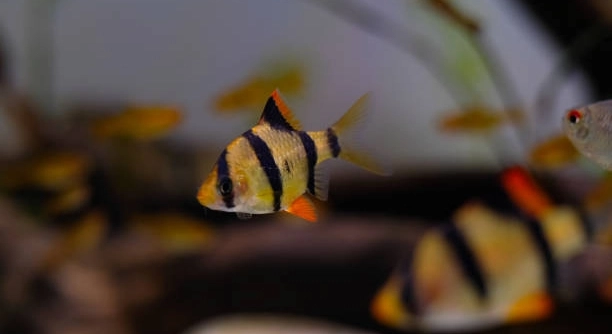
Tiger barbs are lively fish often kept in home aquariums with plants. Many aquarists notice their plants getting nipped or damaged over time. This behavior can be puzzling and sometimes frustrating for plant lovers.
Tiger barbs nip plants mainly due to their natural curiosity and feeding habits. They explore their environment by biting at objects, including plants, especially if the plants resemble food or help them establish territory. This is an instinctive behavior rather than aggression.
Understanding why tiger barbs nip plants helps create a better aquarium environment for both fish and greenery. The following information explains how to manage this behavior effectively.
Why Tiger Barbs Nip Plants
Tiger barbs have sharp teeth that they use to investigate their surroundings. When plants are soft and leafy, these fish may nip at the leaves to see if they can eat them. Sometimes, they are just curious and want to test new textures. Other times, they might be bored or stressed, which leads to more biting behavior. I’ve seen how adding more stimulation, like decorations or other tank mates, can reduce this nipping. It’s also common for tiger barbs to nip plants when they are still young and exploring their space.
If your plants are constantly nipped, it might mean the fish need more entertainment or variety in their diet.
Nipping plants is part of their natural way to interact with their environment. But by giving tiger barbs more food options and hiding places, you can protect your plants better. Using tougher plants also helps since these are less likely to be damaged.
Plant Choices to Reduce Nipping
Some plants are tougher and less tempting for tiger barbs. Using hardy plants like Java fern or Anubias can keep your aquarium looking nice longer.
Choosing the right plants can greatly cut down on damage. These plants have thick leaves that tiger barbs find harder to bite, so they leave them alone more often. You can also attach plants to rocks or driftwood to keep them safe from nibbling. It’s important to avoid very soft or slow-growing plants if your tiger barbs are active biters. Keeping a mix of hardy plants helps maintain a healthy look in your tank. Adding floating plants can also distract the fish from lower plants, reducing nipping even more. Selecting the right plants is an easy way to keep your aquarium balanced and enjoyable to watch.
Feeding Habits and Plant Nipping
Tiger barbs often nip plants because they mistake them for food. Their diet in the wild includes small insects and plant matter, so they naturally explore anything that looks edible. This behavior is especially common if their diet lacks variety or nutrients.
Feeding tiger barbs a balanced diet with plenty of protein and vegetable matter helps reduce their interest in aquarium plants. Providing high-quality flakes, pellets, and occasional live or frozen foods can satisfy their hunger better. If they are well-fed, they are less likely to chew on plants just to find something to eat. I’ve noticed that fish with a rich diet focus more on their food and less on nibbling plants, which makes maintaining a planted tank easier.
Sometimes, even well-fed tiger barbs nip plants out of habit or curiosity. Offering enrichment like hiding spots and decorations can help distract them from the plants, further reducing damage.
Tank Environment and Nipping Behavior
Tiger barbs are active swimmers who need enough space to move freely. Crowded tanks or lack of hiding places can cause stress and boredom, which often leads to increased plant nipping.
Providing a spacious tank with plenty of decorations or plants to explore helps keep tiger barbs mentally stimulated. When the environment is enriched, their urge to nip plants decreases. It’s important to maintain good water quality, as poor conditions can also increase stress and biting behavior. Personally, I’ve found that a balanced environment with enough space and hiding spots greatly reduces nipping and keeps fish healthier and more relaxed.
Tankmates and Their Influence
Tankmates can affect how much tiger barbs nip plants. Peaceful fish may encourage less aggressive behavior, while other active fish might increase stress.
Introducing compatible tankmates helps spread out attention and reduces plant damage caused by boredom or competition.
How to Protect Your Plants
Using plant guards or floating plants can shield vulnerable leaves. Rearranging the tank periodically also helps by confusing the fish and limiting their focus on specific plants.
Common Misconceptions About Plant Nipping
Some believe that nipping means the fish are aggressive, but it is often just natural exploration. Understanding this helps manage expectations and care routines better.
Signs of Stress in Tiger Barbs
Stress can cause more nipping and erratic swimming. Watching for changes in behavior and water quality helps catch problems early.
FAQ
Why do tiger barbs nip plants more at certain times?
Tiger barbs may nip plants more when they are young and curious or during periods of stress. Changes in water quality, overcrowding, or sudden tank rearrangements can make them more likely to bite plants. Also, if they are hungry or their diet is unbalanced, nipping increases.
Can changing their diet stop plant nipping completely?
Changing the diet can greatly reduce nipping but might not stop it entirely. Tiger barbs naturally explore their environment by biting objects, so even with good food, some nibbling may continue. Offering a variety of foods rich in protein and plants like spirulina helps.
Are some plants safer than others with tiger barbs?
Yes, tougher plants like Java fern, Anubias, and crypts are less likely to be nipped. Soft, delicate plants with thin leaves are more vulnerable. Choosing hardy plants protects your tank’s greenery better and lowers maintenance.
Is tank size important to prevent plant nipping?
Absolutely. A larger tank gives tiger barbs more space to swim and reduces boredom, which cuts down on nipping. Overcrowded tanks cause stress, making fish nip plants more often. Providing hiding spots and decorations also helps.
Can tankmates affect plant nipping behavior?
Yes, certain tankmates can influence how much tiger barbs nip plants. Peaceful and slower fish tend to calm tiger barbs, while aggressive or active species might increase stress and nipping. Selecting compatible fish is key to a balanced tank.
Will frequent tank rearranging help reduce nipping?
Rearranging the tank can confuse tiger barbs temporarily and reduce their focus on specific plants. However, too frequent changes may cause stress, which can increase nipping. It’s best to rearrange occasionally and provide plenty of hiding spots.
Do tiger barbs nip plants because they are aggressive?
Not usually. Nipping is mostly exploratory or related to their feeding habits. Tiger barbs can show aggression toward other fish but plant nipping is often just natural behavior rather than true aggression.
How can I tell if nipping is caused by stress?
Signs of stress include erratic swimming, hiding more than usual, loss of color, and increased nipping. Testing water parameters regularly and maintaining a stable environment helps prevent stress-related damage.
Can supplements or additives reduce plant nipping?
Certain supplements, like algae wafers or vegetable-based foods, may reduce nipping by providing alternative food sources. Still, no supplement completely stops nipping since it’s part of the fish’s nature.
Is it better to remove damaged plants or keep them?
Removing badly damaged plants prevents decay and water quality issues. However, mildly nipped plants can recover if conditions improve. Monitoring plant health helps decide when to replace them. I’ve found trimming damaged leaves encourages new growth.
Tiger barbs are active and curious fish, and their tendency to nip plants is a natural behavior. It is important to understand that this is not usually a sign of aggression but more about exploring their environment and searching for food. Their nipping can sometimes damage delicate plants, which can be frustrating for aquarium keepers who want a lush, green tank. However, knowing why they nip helps in managing this behavior more effectively. By providing a balanced diet, choosing tougher plants, and creating a stimulating tank environment, the amount of plant damage can be reduced significantly. This way, both the fish and the plants can thrive together in the aquarium.
Creating a comfortable and enriched environment for tiger barbs is key to limiting plant nipping. A well-maintained tank with plenty of space, decorations, and hiding spots helps keep the fish occupied and less likely to focus on nibbling plants. Feeding them a varied diet that meets their nutritional needs also lowers their desire to chew on greenery. Choosing hardy plants such as Java fern and Anubias protects the aquarium’s appearance because these plants are less appealing for biting. These steps combined create a better balance in the tank, promoting healthier fish and longer-lasting plants.
Overall, keeping tiger barbs with plants requires some patience and understanding of their natural behaviors. While some nipping is expected, it can be managed so it does not ruin the look of the tank. Monitoring water quality, avoiding overcrowding, and carefully selecting tankmates further supports a peaceful aquarium environment. Taking these factors into account helps maintain harmony between the fish and the plants. With the right care and planning, it is possible to enjoy a lively tank with tiger barbs and healthy, beautiful plants living together.

Hello,
If you enjoy the content that we create, please consider saying a "Thank You!" by leaving a tip.
Every little bit helps us continue crafting quality advice that supports the health, happiness, and well-being of pets around the world, for pets of all shapes, sizes, and species.
We really appreciate the kindness and support that you show us!