
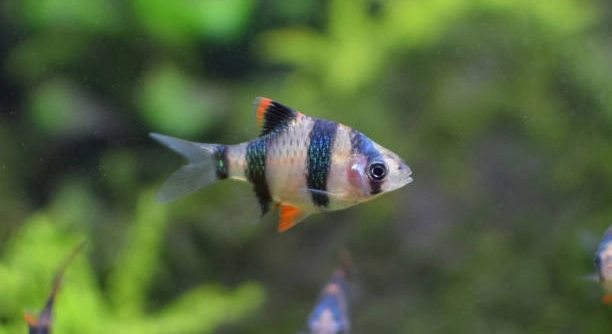
Tiger barbs are lively fish that often become more active at night. Many fish owners notice their barbs nibbling on other fish’s fins during this time. This behavior can be confusing and sometimes frustrating for those who keep them.
Tiger barbs may nip fins at night due to increased territoriality, stress, or boredom in low light conditions. These factors trigger natural aggression, leading them to establish dominance or seek stimulation when their environment is less busy.
Understanding why this happens helps create a calmer, healthier tank environment for your fish. The following details explain what causes this behavior and how to manage it effectively.
Why Tiger Barbs Nip Fins at Night
Tiger barbs often nip fins because they are naturally territorial fish. At night, when the tank is quieter and darker, their instincts can become more pronounced. This behavior is usually a way to assert dominance or defend their space from other fish. It’s common in tanks where there is limited room or not enough hiding places. Stress can also increase nipping. If the fish feel crowded or threatened, they may lash out more often. Sometimes, boredom plays a role. Without enough stimulation, these fish look for ways to stay active, and nibbling fins becomes one outlet. Keeping the tank environment balanced with enough space, hiding spots, and compatible fish helps reduce this nighttime behavior. Many fish owners find that minor changes in the setup can make a big difference.
Feeding schedules and lighting can also impact how active tiger barbs are at night. Adjusting these factors might calm their aggression.
Creating a calm tank environment is key. Offering enough food, reducing overcrowding, and providing plants or decorations where fish can hide helps lower nipping. This lets your fish feel safer and less likely to nip at night.
Managing Nighttime Fin Nipping
Nighttime fin nipping can be reduced by maintaining a proper tank setup and routine.
One effective way to manage fin nipping is by ensuring the tank is large enough and has plenty of hiding spots. Tiger barbs feel more secure when they can escape aggressive peers, so adding plants or decorations helps. Feeding the fish before the lights go off also keeps them satisfied, reducing the urge to nip. Avoid overcrowding the tank, as too many fish increase stress and competition. It’s important to monitor which fish are being targeted and separate overly aggressive individuals if necessary. Adjusting light schedules to mimic natural day and night cycles may also reduce nighttime activity. Small changes in care and environment can make a big difference in minimizing fin nipping, making the tank a more peaceful place for everyone involved.
Tank Environment and Its Impact
A well-maintained tank reduces fin nipping by providing enough space and hiding spots. This helps fish feel secure and less aggressive.
Crowded tanks often lead to stress and competition, which increases fin nipping. Tiger barbs need space to swim freely and areas to retreat when feeling threatened. Adding plants and decorations creates natural barriers and reduces direct confrontations. Clean water is essential too, as poor water quality stresses fish and worsens aggressive behavior. Regular water changes and monitoring water parameters keep fish healthy and calm. A balanced tank environment helps reduce nighttime nipping by lowering stress and competition among tank mates.
Providing a varied environment with plenty of places to hide allows fish to avoid constant interaction. This reduces tension and helps tiger barbs feel less need to assert dominance through nipping. Observing how fish use the space can guide adjustments to improve harmony in the tank.
Feeding Habits and Nighttime Behavior
Feeding routines affect tiger barbs’ activity levels and aggression at night.
If tiger barbs aren’t fed enough or on a consistent schedule, they may become more restless and nip at other fish. Feeding them a nutritious diet on time helps keep them calm. Overfeeding, however, can cause water quality problems that increase stress and aggression. Offering food before lights go off helps keep fish satisfied and less likely to nip during dark hours. Including live or frozen foods can also stimulate natural hunting behaviors, which reduces boredom and aggression. Careful feeding practices are important to maintain peace in the tank and lower nighttime fin nipping incidents.
Light and Activity Levels
Tiger barbs tend to be more active during low light, which can trigger fin nipping. Dimming the lights slowly at night may help ease this transition and reduce stress-related aggression.
Providing a consistent light schedule helps fish adjust their activity. Sudden changes in lighting can confuse them and increase nipping behavior.
Social Dynamics in the Tank
Tiger barbs are schooling fish and feel safer in groups of six or more. Smaller groups or isolation can increase stress and aggression, leading to more fin nipping. Keeping enough tiger barbs together helps spread out aggression and reduce targeting of individual fish.
Signs of Stress and Aggression
Fin damage, faded colors, and hiding are common signs of stress caused by aggression. Watching your fish closely can help catch problems early and prevent worsening fin nipping.
FAQ
Why do tiger barbs nip fins only at night?
Tiger barbs become more active in low light or darkness. At night, the tank is quieter, and fish may feel more territorial or restless. Without distractions, their natural aggression comes out, leading them to nip fins to assert dominance or release energy. This behavior is less common during the day when there is more activity in the tank.
Is fin nipping harmful to my other fish?
Yes, frequent fin nipping can cause physical damage, stress, and infections in other fish. Torn fins may bleed or become infected if not treated. Chronic stress from nipping can weaken fish immune systems, making them more vulnerable to illness. It’s important to control fin nipping early to protect all tank inhabitants.
Can changing the tank lighting reduce fin nipping?
Adjusting the lighting can help. Slowly dimming lights at night mimics natural sunset and reduces sudden changes that stress fish. Using a timer to maintain consistent light cycles also helps stabilize fish behavior. Avoid turning lights on or off abruptly, as this can trigger aggressive responses.
How many tiger barbs should I keep together?
Keeping tiger barbs in groups of six or more is best. Larger groups spread out aggressive behavior and reduce pressure on any single fish. Smaller groups or solitary tiger barbs tend to become more aggressive and nip fins more often. Group size plays a big role in social balance.
What tank size is recommended for tiger barbs?
A tank of at least 20 gallons is recommended for a small group of tiger barbs. This provides enough swimming space and reduces competition. Larger tanks help maintain water quality and allow room for plants or decorations that offer hiding spots. Overcrowding increases stress and aggression.
How can I prevent fin nipping in a community tank?
Prevent fin nipping by providing a spacious tank with hiding places and compatible tank mates. Avoid slow-moving or long-finned fish, as they are easy targets. Feeding a balanced diet and maintaining good water quality also help keep aggression low. Observe interactions regularly and separate aggressive fish if needed.
Does diet influence aggressive behavior in tiger barbs?
Yes, an inconsistent or poor diet can increase aggression. Hunger or nutritional deficiencies make fish more irritable. Feeding tiger barbs a varied diet with high-quality flakes, pellets, and occasional live or frozen food reduces boredom and stress, lowering the chance of fin nipping.
What should I do if a tiger barb is overly aggressive?
If aggression persists, try rearranging tank decorations to disrupt established territories. Increasing group size can spread aggression. In severe cases, isolating the aggressive fish or moving it to another tank may be necessary. Always monitor fish closely after any changes to ensure stability.
Can stress cause tiger barbs to nip fins more?
Stress is a major factor in fin nipping. Poor water quality, overcrowding, incompatible tank mates, and sudden changes in environment cause stress. Reducing these factors by regular water changes, maintaining proper tank conditions, and providing hiding spots can calm fish and reduce aggressive behavior.
Are there any fish species that are safe to keep with tiger barbs?
Peaceful, fast-swimming fish that can hold their own are good companions. Examples include danios, some tetras, and larger barbs. Avoid slow, long-finned fish like bettas or angelfish, which can become targets. Matching activity levels and temperament helps reduce conflict and fin nipping incidents.
Tiger barbs are lively fish that can sometimes show aggressive behavior, especially at night. Their fin-nipping is often a natural response to their environment and social situation. Understanding why they nip can help fish owners manage their tanks better. It’s important to remember that this behavior is usually not meant to harm but is part of how tiger barbs interact and establish their place in the tank. Creating a healthy and comfortable environment for your fish can reduce stress and lower the chances of fin nipping.
Maintaining good tank conditions is key to keeping tiger barbs calm. Providing enough space and hiding spots allows fish to feel safe and less likely to fight. Regular feeding and keeping a balanced diet help prevent boredom and aggression. Adjusting the lighting and ensuring a consistent day-night cycle also support more natural behavior. Watching how your fish interact will help you spot early signs of stress or aggression. Making small changes to the tank setup or social groups can improve harmony among your fish.
While fin nipping can be frustrating to deal with, it is manageable with attention and care. By learning what triggers this behavior and how to reduce it, you can create a more peaceful tank. This not only protects the other fish but also promotes the health and happiness of your tiger barbs. Every tank is different, so patience and observation will guide you in finding the best balance. Keeping your fish comfortable and safe is the best way to enjoy having tiger barbs in your aquarium.

Hello,
If you enjoy the content that we create, please consider saying a "Thank You!" by leaving a tip.
Every little bit helps us continue crafting quality advice that supports the health, happiness, and well-being of pets around the world, for pets of all shapes, sizes, and species.
We really appreciate the kindness and support that you show us!