
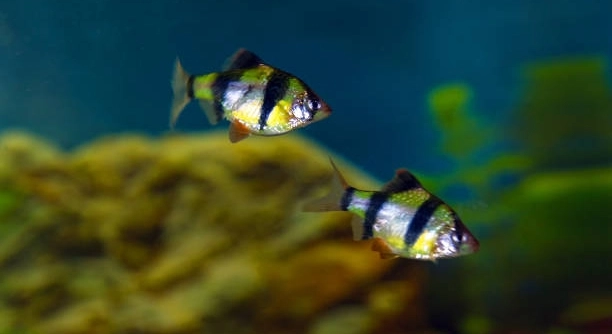
Tiger barbs are popular aquarium fish known for their bright colors and lively behavior. Sometimes, these fish jump out of tanks, surprising many hobbyists. Understanding why they leap can help keep them safe and comfortable in their environment.
Tiger barbs jump from tanks primarily due to stress, poor water quality, or insufficient space. Sudden changes or discomfort in their habitat often trigger this behavior as an escape response to unfavorable conditions.
Recognizing these causes can help improve your fish’s home and reduce jumping incidents. Keeping tiger barbs safe begins with knowing what makes them want to leap.
Common Reasons Tiger Barbs Leap From Tanks
Tiger barbs often jump because they feel stressed or uncomfortable. Stress can come from many sources, such as sudden loud noises, aggressive tank mates, or changes in water temperature. Poor water quality is another big factor. If ammonia, nitrites, or nitrates build up, fish become uneasy and try to escape. Lack of space also plays a role. Tiger barbs are active swimmers and need enough room to move around freely. A small or overcrowded tank can cause them to feel trapped. Sometimes, fish jump just because the water is too warm or oxygen levels are low. It is important to regularly test water and keep conditions stable. Also, covering the tank with a lid helps prevent jumping. Understanding these factors helps create a safer environment for your tiger barbs.
Jumping usually signals a problem with tank conditions or fish well-being. Taking action quickly is important to keep them safe.
By paying attention to water quality and tank setup, you can reduce stress and make your tiger barbs feel secure. Keeping the tank covered is a simple way to prevent escapes, while regular maintenance ensures a healthy habitat.
Tank Setup and Environment
A well-maintained tank with enough space keeps tiger barbs calm.
Tiger barbs need at least 20 gallons for a small group. Plants and hiding spots reduce stress by offering places to retreat. Avoid aggressive fish that can chase or nip at them. Water temperature should be steady between 74°F and 78°F, and proper filtration keeps water clean. Oxygenation is key, so use an air stone or filter that circulates water well. Sudden changes in lighting or temperature should be avoided, as tiger barbs prefer stable conditions. Regular water changes and monitoring help maintain balance in the tank environment. A proper setup lowers the chances of jumping and helps the fish thrive.
Preventing Tiger Barbs From Jumping
Covering the tank is one of the easiest ways to stop tiger barbs from jumping out.
A secure lid or tank cover prevents fish from leaping out during sudden scares or when they feel stressed. Make sure the cover fits tightly but allows enough airflow to keep oxygen levels high. Using a mesh or glass lid is ideal because it stops escapes while maintaining good ventilation. Without a proper cover, even healthy fish can accidentally jump out.
Besides a cover, reducing stress helps prevent jumping. Avoid sudden noises and keep the tank environment calm. Feeding on a regular schedule and avoiding overcrowding also create a stable space. When tiger barbs feel secure, they are less likely to jump.
Signs Tiger Barbs Are About to Jump
Restlessness or frequent swimming near the tank surface can indicate your tiger barbs might try to jump soon.
Watch for sudden bursts of speed or constant darting around the tank. These behaviors often point to discomfort or stress. Sometimes fish gather near tank edges or show signs of irritation from poor water quality. If you notice these signs, check water parameters and improve tank conditions immediately. Responding quickly can save your fish from injury or loss. Keeping a close eye on their behavior helps you act before they jump.
How Water Quality Affects Jumping
Poor water quality makes tiger barbs uncomfortable and more likely to jump.
Regular water testing is essential to catch problems early and keep water safe for your fish.
Importance of Regular Water Changes
Changing about 25% of the water weekly helps keep toxins low and oxygen levels high. This routine supports healthy fish and reduces stress, which lowers jumping risks. Clean water keeps the environment stable and your tiger barbs happy.
Tank Mates and Their Impact
Aggressive or fin-nipping fish can stress tiger barbs, causing them to jump. Choosing peaceful tank mates helps maintain harmony and reduces anxiety in your fish.
Why do tiger barbs jump out of the tank?
Tiger barbs usually jump because they feel stressed or uncomfortable. Stress can come from poor water quality, sudden changes in the tank environment, or aggressive tank mates. Sometimes, the fish try to escape because the tank is too small or overcrowded. Jumping is their way of reacting to conditions they don’t like or find threatening.
How can I stop my tiger barbs from jumping?
The easiest way to stop jumping is by using a secure tank cover. A well-fitting lid prevents escapes while allowing air to flow. Besides covering the tank, reducing stress by keeping the water clean, stable, and properly heated also helps. Avoid sudden noises, overcrowding, and aggressive fish that might scare your tiger barbs.
What water conditions do tiger barbs need?
Tiger barbs thrive in water temperatures between 74°F and 78°F. The pH should be between 6.5 and 7.5, and ammonia, nitrites, and nitrates should be kept at safe levels—ideally zero ammonia and nitrites, and low nitrates. Regular water testing and changes maintain these conditions and keep fish healthy.
Can aggressive tank mates cause jumping?
Yes, aggressive or fin-nipping fish can stress tiger barbs, making them more likely to jump. Tiger barbs prefer peaceful or similarly active fish. Avoid mixing them with overly aggressive species. A calm environment helps reduce anxiety and the chance of jumping.
Is tank size important to prevent jumping?
Absolutely. Tiger barbs need enough room to swim and explore. A minimum of 20 gallons is recommended for a small group. Overcrowding or a tiny tank makes them feel trapped and stressed, increasing jumping behavior. Larger tanks with plants and hiding spots help them feel secure.
How often should I change the water?
Changing 20-30% of the water weekly is ideal. This keeps toxins low and oxygen levels high. Clean water reduces stress and helps maintain a stable environment. Avoid changing too much water at once to prevent shocking your fish.
What signs show tiger barbs might jump soon?
Look for restlessness or frequent swimming near the water surface. Sudden bursts of speed or darting around the tank can also indicate discomfort. If fish crowd the edges or show irritation, check water quality and tank conditions immediately to prevent jumping.
Can poor oxygen levels cause jumping?
Yes, low oxygen can make fish swim near the surface or try to jump out. Using an air stone or good filtration keeps water moving and oxygenated. Proper aeration helps tiger barbs stay calm and healthy.
Are there specific decorations that help reduce jumping?
Plants and hiding spots provide comfort and reduce stress. These features make the environment more natural and help fish feel safe. Avoid sharp or rough decorations that could injure fish if they jump.
What should I do if a tiger barb jumps out?
Act quickly to return the fish to the tank. Check for injuries and water quality. Cover the tank properly to prevent future escapes. Make sure tank conditions are stable and comfortable to reduce stress that caused the jump.
When keeping tiger barbs, it is important to understand why they might jump from tanks. Jumping usually happens because the fish feel stressed, uncomfortable, or threatened. Common causes include poor water quality, overcrowding, aggressive tank mates, or sudden changes in their environment. By paying attention to these factors, you can create a safer and healthier home for your fish. This will reduce the chances of them trying to escape and keep them happier in their tank.
Maintaining a good tank environment takes effort, but it is worth it. Regular water testing and changes help keep water clean and balanced. Providing enough space and adding plants or decorations gives tiger barbs places to swim freely and feel secure. Choosing calm tank mates and avoiding sudden noises or temperature swings lowers stress levels. A secure lid or cover on the tank is also an easy step to prevent any accidental jumps. Together, these actions protect your fish and make your aquarium more enjoyable.
In the end, watching your tiger barbs closely and responding to their needs is key. Look for signs like restlessness or swimming near the surface, which might mean they want to jump. When you see these signs, check the water and tank setup right away. With simple care and attention, you can keep your tiger barbs safe and reduce jumping behavior. This helps your fish live comfortably and thrive in their aquatic home.

Hello,
If you enjoy the content that we create, please consider saying a "Thank You!" by leaving a tip.
Every little bit helps us continue crafting quality advice that supports the health, happiness, and well-being of pets around the world, for pets of all shapes, sizes, and species.
We really appreciate the kindness and support that you show us!