
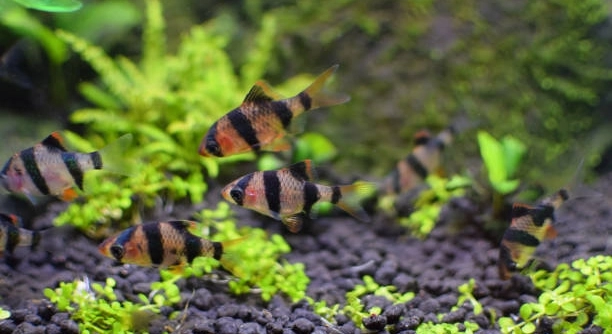
Tiger Barbs are popular aquarium fish known for their lively behavior and striking colors. However, they sometimes hover quietly without making much movement. This behavior can seem unusual compared to their usual energetic nature.
Tiger Barbs may hover in silence due to stress, environmental changes, or social dynamics within the tank. This quiet behavior helps them conserve energy and avoid conflict, allowing them to adapt safely to their surroundings.
Understanding why Tiger Barbs behave this way can improve tank management and fish welfare. This article explains key reasons behind their silent hovering and how to create a comfortable environment for them.
Reasons Behind Silent Hovering
Tiger Barbs often hover silently due to stress or changes in their environment. Sudden shifts in water temperature, poor water quality, or overcrowding can cause them to become less active. These fish are sensitive to their surroundings and will stay still to avoid drawing attention when they feel uneasy. Sometimes, the presence of aggressive tank mates can also lead to this behavior. They choose to stay quiet and observe rather than engage in conflicts. Additionally, a lack of hiding spots or plants can make them feel exposed, encouraging them to freeze in place. This behavior is a natural response to protect themselves in unfamiliar or uncomfortable conditions. By maintaining stable water parameters and providing enough space, you can reduce the chances of your Tiger Barbs hovering silently.
Silent hovering can also be a sign of illness or fatigue, so monitoring their overall health is important.
Keeping a close eye on their environment and interactions helps ensure Tiger Barbs remain active and healthy. A well-maintained tank with proper filtration and regular water changes supports their well-being. Providing plants or decorations creates safe spaces where they feel secure. Observing their behavior daily allows you to spot any early signs of distress. If the fish remain inactive for long periods, testing water parameters or consulting a specialist is advisable. Understanding their needs helps prevent prolonged silent hovering and promotes a lively, balanced aquarium.
Social Dynamics and Group Behavior
Tiger Barbs are schooling fish that rely on group interaction for comfort and security.
In a well-sized group, silent hovering often happens when they establish social hierarchy. Some fish may remain still to avoid challenges or assert dominance subtly. This behavior is part of natural social adjustments, ensuring a peaceful tank environment. It’s important to keep at least six Tiger Barbs together to encourage healthy social behavior and reduce stress. Small groups increase tension, which can lead to more frequent hiding or silence. Proper group size and environmental enrichment help them feel confident and active. Observing how they interact within the group reveals much about their comfort level. Creating a balanced community with compatible tank mates also supports positive social behavior, minimizing quiet, withdrawn periods.
Environmental Factors Affecting Behavior
Water quality plays a critical role in Tiger Barbs’ activity levels. Poor conditions can cause them to become less active or hover silently.
Keeping water clean with regular changes and proper filtration prevents the buildup of harmful substances. Monitoring ammonia, nitrite, and nitrate levels ensures a healthy environment. Temperature fluctuations also affect their comfort; they thrive best in stable temperatures around 74-78°F. Sudden changes can stress them, leading to quiet, withdrawn behavior.
Lighting and tank setup influence their activity, too. Bright lights without hiding spots may cause them to freeze in place. Adding plants and decorations provides shelter and reduces stress. These adjustments encourage more natural, lively movements in the fish.
Feeding Habits and Their Impact
Tiger Barbs may hover silently when hungry or unsure about food availability.
Offering a balanced diet of flakes, pellets, and occasional live food keeps them energized and active. Feeding small amounts multiple times a day helps maintain their health. Overfeeding can lead to poor water quality, which negatively affects their behavior. It’s important to remove uneaten food promptly to avoid waste buildup. Feeding routines create a sense of security and reduce stress, which helps prevent silent hovering. Adjusting feeding times to their natural patterns encourages regular activity and social interaction during meal times. Observing their response to feeding helps gauge their overall well-being and comfort in the tank.
Signs of Stress in Tiger Barbs
Stress often causes Tiger Barbs to hover silently or hide. Common signs include loss of color, erratic swimming, or reduced appetite.
Stress can result from overcrowding, poor water quality, or aggressive tank mates. Recognizing these signs early helps prevent serious health issues.
Creating a Comfortable Habitat
Providing plenty of hiding spots and plants makes Tiger Barbs feel secure. A balanced tank with calm tank mates also reduces stress.
Monitoring Water Parameters
Regular testing of pH, ammonia, nitrite, and nitrate is essential. Stable parameters keep the fish healthy and active, preventing silent hovering.
Tank Size Recommendations
Tiger Barbs need at least 20 gallons for a small group. Adequate space reduces stress and promotes natural behavior.
FAQ
Why do Tiger Barbs sometimes stop swimming and hover silently?
Tiger Barbs may hover silently when they feel stressed or insecure in their environment. This can be caused by changes in water quality, temperature fluctuations, or the presence of aggressive tank mates. They often freeze to avoid drawing attention or to conserve energy until conditions improve.
How can I tell if my Tiger Barbs are stressed?
Signs of stress include loss of color, lethargy, hiding more than usual, and refusing food. They might also show erratic swimming or fin clamping. These behaviors indicate they are uncomfortable and may need environmental changes or less aggressive tank mates.
What is the ideal group size for Tiger Barbs?
Tiger Barbs are schooling fish and do best in groups of six or more. Smaller groups can increase aggression and stress, causing quiet or withdrawn behavior. A larger group promotes social interaction and helps them feel safer and more active.
How often should I change the water in my Tiger Barb tank?
Regular water changes are important to maintain water quality. Changing about 25% of the water weekly helps keep ammonia, nitrite, and nitrate levels low. Good water quality reduces stress and keeps Tiger Barbs active.
What temperature do Tiger Barbs prefer?
Tiger Barbs thrive in temperatures between 74°F and 78°F (23°C to 26°C). Keeping the water temperature stable within this range prevents stress and supports healthy behavior. Sudden temperature shifts can cause them to become inactive or hover silently.
Can Tiger Barbs live with other fish peacefully?
Tiger Barbs can be kept with other species if the tank is large enough and the tank mates are not overly aggressive or slow-moving. They are semi-aggressive and may nip fins, so avoid housing them with delicate or slow fish. Suitable tank mates include fast-moving or similarly sized species.
Why do Tiger Barbs need hiding spots?
Hiding spots give Tiger Barbs places to retreat when they feel threatened or stressed. Plants, rocks, and decorations create shelter and reduce anxiety. Without hiding places, they may hover silently out of fear, which can affect their health and well-being.
What should I feed Tiger Barbs?
Tiger Barbs eat a varied diet including high-quality flakes or pellets, frozen or live foods like bloodworms, brine shrimp, and daphnia. A balanced diet helps maintain their energy and coloration. Feeding small amounts two to three times daily is ideal.
Is silent hovering ever a sign of illness?
Yes, silent hovering can sometimes indicate illness or injury. If the fish show other signs like weight loss, labored breathing, or unusual spots, it may be sick. Prompt diagnosis and treatment are necessary to prevent worsening health.
How can I reduce aggression among Tiger Barbs?
Keeping them in larger groups, providing plenty of space, and ensuring enough hiding spots helps reduce aggression. Avoid overcrowding and aggressive tank mates. Sometimes rearranging the tank layout can disrupt established territories and lower tension.
Do Tiger Barbs need specific lighting conditions?
Moderate lighting that mimics natural day and night cycles is best. Too bright or constant light can stress the fish, causing them to become withdrawn or hover silently. Providing shaded areas helps them feel secure.
What is the best tank size for Tiger Barbs?
A minimum of 20 gallons is recommended for a small group of Tiger Barbs. Larger tanks give them more room to swim and establish social order, which reduces stress and silent hovering. Proper tank size supports healthy, active behavior.
How do I encourage my Tiger Barbs to be more active?
Stable water conditions, a balanced diet, sufficient space, and a proper group size encourage activity. Providing enrichment like plants and decorations also stimulates natural behaviors and reduces hiding or silent hovering.
Can sudden changes in the tank cause Tiger Barbs to hover silently?
Yes, sudden changes like rearranging decorations, adding new fish, or altering water parameters can stress Tiger Barbs. They may respond by hovering silently to observe their surroundings and assess safety before resuming normal activity.
Are Tiger Barbs nocturnal or diurnal?
Tiger Barbs are diurnal, meaning they are active during the day. They tend to rest or become less active at night. Consistent light and dark cycles support their natural rhythm and overall health.
Tiger Barbs are lively fish, but their silent hovering behavior is a natural response to various factors in their environment. This quiet stillness often signals that something in their surroundings has changed or that they are feeling uncertain. Understanding the reasons behind this behavior can help create a better environment for them. By keeping water quality stable, providing enough space, and ensuring the right group size, Tiger Barbs are more likely to feel comfortable and display their usual energetic nature.
Stress is one of the main reasons Tiger Barbs hover silently. Factors such as sudden water temperature changes, overcrowding, or aggressive tank mates can make them freeze or hide. It’s important to pay attention to signs like reduced movement, color fading, or hiding. These signs indicate that the fish need adjustments in their tank conditions. Adding plants or decorations for hiding spots and maintaining a regular feeding schedule can improve their confidence and reduce stress. Regular water testing and changes also support a healthy environment, which is essential for their well-being.
Overall, silent hovering is a behavior that should not be ignored. It is a clear signal from Tiger Barbs that their environment may need attention. Observing their behavior closely and making necessary changes can prevent health issues and promote a balanced aquarium. Creating a tank that meets their social and environmental needs will encourage active swimming and social interaction. With proper care, Tiger Barbs can thrive and remain a lively, beautiful addition to any home aquarium.

Hello,
If you enjoy the content that we create, please consider saying a "Thank You!" by leaving a tip.
Every little bit helps us continue crafting quality advice that supports the health, happiness, and well-being of pets around the world, for pets of all shapes, sizes, and species.
We really appreciate the kindness and support that you show us!