
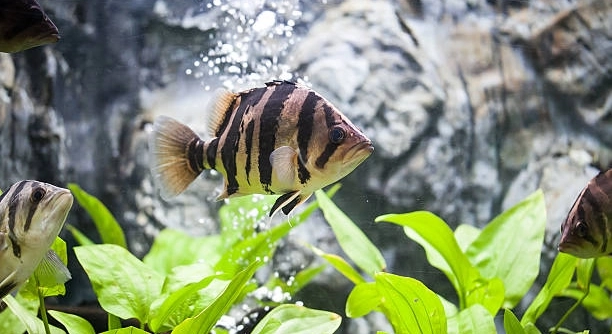
Do you ever find yourself watching your tiger barbs swim and notice they tend to stick around the middle of the tank?
Tiger barbs often hang at mid-level because this area offers an ideal balance of safety, oxygen levels, and swimming space. Their active nature and social behavior also make the mid-section of the tank perfect for interaction and movement.
Understanding why your fish behave this way can help you maintain a comfortable and healthy tank environment.
Why Mid-Level Swimming Feels Right to Them
Tiger barbs are naturally drawn to the middle of the tank because it provides a sense of comfort and control. In the wild, they navigate mid-depths of streams and rivers where current is moderate, and food is easily accessible. This habit carries over to home aquariums. The middle zone offers the space they need to stay active, while also letting them keep an eye on both the surface and the bottom. Since they are schooling fish, they prefer to be where others in their group are most visible, which often ends up being the mid-level. The area also usually holds a more stable temperature and oxygen level, which helps them stay calm and comfortable. Even when decorations and plants are added, tiger barbs often return to this spot because it gives them the clearest path to swim without obstructions.
They also avoid the top because it can feel too exposed, while the bottom might seem too crowded or still.
In tanks with strong filters or pumps, tiger barbs may find the mid-zone has the gentlest flow, which suits their constant motion and natural rhythm. It also allows them to react quickly to food or movement around them without stress or panic.
What You Can Do to Support This Behavior
Give them enough open space in the mid-zone, and avoid over-decorating this area with tall plants or bulky items.
A balanced setup supports their natural movement. Place taller plants and decorations near the back and sides, leaving the center more open. This allows the tiger barbs to form tight groups and swim comfortably across the tank. Use moderate lighting and avoid overly bright lights, which may cause them to hide or drop lower. Tankmates also play a role—peaceful, mid-level dwellers help them feel more secure, while aggressive or bottom-dwelling species can throw off their patterns. Regular water changes and stable parameters help maintain oxygen and temperature levels in that mid-zone. Feeding them in this area also encourages natural behaviors. If you notice them avoiding the middle altogether, it could be a sign of stress or poor conditions. A quick check of temperature, water quality, and tank dynamics usually gives you the answer. Watching their habits closely helps you build a better, safer tank for them.
Common Reasons They Might Shift From Mid-Level
Changes in tank conditions can cause tiger barbs to shift their position. Poor water quality, low oxygen, or sudden temperature drops often lead them to explore other levels for comfort. Stress from overcrowding or bullying can also push them out of their usual zone.
If you notice your tiger barbs staying near the top, they might be searching for oxygen due to poor circulation. Floating near the surface can also be a response to feeding routines or lighting changes. On the other hand, if they stick to the bottom, it might be due to aggression from tankmates, illness, or water that’s too cold. Inactive behavior or hiding often signals a larger issue. It helps to observe changes closely and act quickly. Testing the water and checking the heater or filter can give you early clues. The faster you fix the problem, the faster their behavior can return to normal.
A shift in position doesn’t always mean trouble, but it’s important to consider patterns. If one fish changes levels briefly, it could be exploring. But if the whole group moves and stays there, it’s worth paying attention. Watch for other signs like clamped fins, loss of color, or reduced appetite. These small changes often come before bigger health problems.
How Tank Setup Can Impact Their Swim Zone
A cramped or uneven tank layout can block their natural path, forcing them to adjust. Tall plants in the center or cluttered mid-zones can push them up or down.
Good tank layout supports their usual movement and helps them stay relaxed. Start by choosing a tank that’s long rather than tall—this gives them space to swim back and forth. Use lower plants or décor in the front and keep taller items toward the back corners. This makes the mid-level feel more open while still offering hiding spots along the edges. Use filters that create gentle current, especially across the middle. If your filter is too strong or pushes too much water across one part of the tank, they might avoid it. Also, be careful with lighting. Very bright lights can cause stress and lead them to avoid the open mid-zone. Dim, soft lighting helps them feel secure while still being active.
How Behavior Changes With Tank Mates
Tiger barbs are social but can become aggressive with slower or long-finned fish. This behavior might cause them to chase others, changing their own swimming patterns and level. Compatible tank mates help them feel balanced and less reactive.
Keeping them in a group of six or more spreads out aggression. If they’re alone or in small numbers, they may become territorial, especially in mid-level zones. This can lead to stress and more erratic swimming behavior.
When Lighting Affects Their Comfort
Harsh lighting can make tiger barbs uncomfortable, especially in the middle of the tank where they are most exposed. Strong lights may cause them to shift to lower levels or hide behind objects. Softer, diffused lighting helps maintain their comfort and encourages more natural swimming behavior in their preferred zone.
Feeding Habits and Swimming Zones
Feeding time also affects their position in the tank. If food is always dropped at the surface, tiger barbs may swim higher more often. Sinking pellets or mid-water flakes encourage them to stay in their usual zone.
FAQ
Why do tiger barbs prefer to swim at mid-level in the tank?
Tiger barbs swim at mid-level because it offers a balance of safety and space. This area usually has stable oxygen and temperature levels, which makes them feel secure. It also allows easy access to food and room for their active, schooling behavior. They avoid the top due to exposure and the bottom because it can feel crowded or too still.
Can poor water quality cause tiger barbs to change their swimming level?
Yes. Poor water quality, like high ammonia or low oxygen, can force tiger barbs to move to areas with better conditions. If oxygen is low near the bottom, they might swim closer to the surface. If water parameters are unstable, fish become stressed and may act differently, including shifting levels. Regular water testing and maintenance help prevent this.
Do tank decorations affect where tiger barbs swim?
Definitely. Dense plants or bulky decorations in the mid-zone can block their swimming paths. Tiger barbs prefer open space to swim in groups, so heavy clutter in the middle pushes them up or down. Keeping the center more open with taller plants and rocks placed at the edges helps maintain their preferred zone and natural behavior.
How does lighting impact tiger barbs’ swimming habits?
Bright or harsh lighting can stress tiger barbs and cause them to avoid exposed areas like the mid-level. They might hide or move to lower levels with more cover. Softer, diffused light helps them feel safer and encourages them to swim naturally where they like. Adjusting light intensity can improve their comfort and activity.
Can aggressive tank mates cause tiger barbs to avoid mid-level?
Yes. Aggressive or territorial fish can push tiger barbs out of their favorite swimming zone. If they feel threatened, tiger barbs might move to the bottom or hide. Choosing peaceful or compatible tank mates helps maintain balance and lets tiger barbs swim comfortably at mid-level.
Is schooling important for tiger barbs to stay at mid-level?
Absolutely. Tiger barbs are schooling fish, and they feel safest and most confident swimming in groups. When in a proper-sized school (six or more), they tend to stick together in the mid-level. Smaller groups or isolation can lead to stress and more erratic swimming patterns.
What role does feeding location play in their swimming height?
Feeding affects where tiger barbs swim. If food is dropped at the surface, they will swim higher to eat. Using sinking pellets or flakes designed to float mid-water encourages them to stay at mid-level. Varying feeding locations can help keep their swimming patterns natural and balanced.
What signs indicate a problem if tiger barbs suddenly change swimming levels?
Sudden changes can signal stress or illness. Watch for other signs like clamped fins, faded color, hiding, or loss of appetite. These could point to poor water quality, temperature issues, or aggression. Quick action with water tests and tank checks can prevent worsening problems.
How can I encourage tiger barbs to swim in their natural zone?
Provide an open mid-level space with gentle water flow and moderate lighting. Use compatible tank mates and feed in the mid-water zone. Maintain clean water and stable temperature. Avoid overcrowding and bulky mid-tank decorations. Watching their behavior helps you adjust the tank for their comfort.
Do tiger barbs ever swim near the bottom, and why?
While mid-level is preferred, tiger barbs may swim near the bottom if stressed, ill, or avoiding aggression. Sometimes they explore the tank or look for food. Prolonged bottom swimming can indicate a problem, so monitor other symptoms and tank conditions closely.
Tiger barbs naturally prefer swimming at the mid-level of the tank because it offers them a comfortable balance of safety and space. This part of the aquarium usually has steady oxygen levels and a stable temperature, which helps them stay calm and active. The mid-zone also gives them enough room to swim in groups and interact with one another, which is important since tiger barbs are schooling fish. While they may move around the tank from time to time, most feel safest and most confident in the middle area. It is important to keep this part of the tank open and free from heavy decorations that might block their swimming paths.
Tank conditions play a big role in where tiger barbs choose to swim. Changes in water quality, temperature, or oxygen can make them explore other parts of the aquarium. For example, if the water near the bottom is too cold or low in oxygen, they may spend more time closer to the surface. Stress from tankmates or overcrowding can also cause them to shift their usual swimming patterns. Watching their behavior carefully is key to spotting any problems early. Regular maintenance such as water testing, cleaning, and adjusting the environment can help keep them comfortable and encourage normal swimming habits.
Lighting and tank layout also affect where tiger barbs hang out in the tank. Bright or harsh lighting can make them avoid open areas and seek shelter near plants or decorations. Soft, diffused lighting helps create a calm atmosphere where they feel safe to swim freely. Arranging plants and decorations mostly along the edges or back of the tank leaves the mid-level open for their natural activity. Providing gentle water flow and feeding them at mid-water levels further supports their preferred swimming zone. With the right care and setup, tiger barbs can thrive and show their full, lively behavior in the middle of the tank.

Hello,
If you enjoy the content that we create, please consider saying a "Thank You!" by leaving a tip.
Every little bit helps us continue crafting quality advice that supports the health, happiness, and well-being of pets around the world, for pets of all shapes, sizes, and species.
We really appreciate the kindness and support that you show us!