
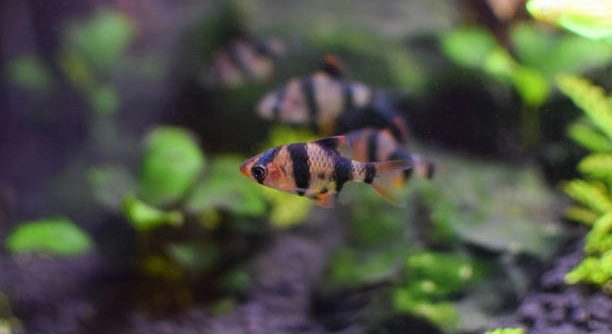
Tiger Barbs are known for their lively behavior and striking appearance. They often choose specific spots in their tanks to rest or hide, especially near caves or shelters. These areas seem to provide them comfort and security within their environment.
Tiger Barbs may guard fake caves as a form of territorial behavior. These fish use the caves to establish a safe zone, protecting it from other tank mates. Guarding ensures a secure space for resting, breeding, and reducing stress.
Understanding this behavior can help aquarium owners create better habitats. Proper tank setup can promote natural instincts and improve the well-being of Tiger Barbs.
Why Tiger Barbs Choose Fake Caves
Tiger Barbs naturally seek shelter to feel safe. In an aquarium, fake caves serve as ideal hiding spots because they mimic the crevices found in their natural habitats. These fish are territorial by nature, so when they find a cave, they tend to stay close and guard it against other fish. The fake caves provide a secure place to rest without the risk of being disturbed. This behavior also helps reduce stress, which is important for their health. Additionally, caves offer a dark, enclosed space that is comforting for Tiger Barbs, especially during molting or breeding periods. By guarding a cave, they create a personal refuge in the tank where they can feel in control. These caves become a key part of their environment, allowing them to express natural behaviors that contribute to their overall well-being.
Fake caves meet their need for security and help maintain peaceful tank dynamics.
Recognizing their preference for such shelters can improve tank design. Providing multiple caves can prevent fights and allow each fish to establish its own space. This reduces stress and promotes healthier social interactions. It also allows for breeding activities to occur safely. Observing Tiger Barbs closely will show how much they value these spaces. The caves act as small territories where they feel confident and secure. Ensuring these hiding places are appropriately sized and positioned can make a big difference. Tank owners who consider these details often see calmer and more active fish. Giving Tiger Barbs their preferred environment is essential for their happiness.
Guarding Behavior and Its Impact
Territorial guarding is a common behavior among Tiger Barbs.
Guarding fake caves can lead to dominance displays and occasional chasing. This behavior helps establish a hierarchy within the tank. Some fish become more aggressive in protecting their chosen cave, especially during breeding. It is important to monitor interactions to prevent injury. Providing enough hiding spots reduces competition. The guarding also shows that the fish are engaging in natural behaviors, which is a sign of a healthy aquarium. If aggression becomes too intense, adjusting the tank setup or the number of fish may be necessary. Maintaining balance in the tank is key to peaceful coexistence. When done right, guarding helps Tiger Barbs feel secure without causing harm to others. Understanding these dynamics helps in managing a thriving community tank.
Creating the Ideal Fake Cave
The size and placement of a fake cave influence how Tiger Barbs use it. It should be large enough for them to enter comfortably but small enough to feel secure inside. Placement near plants or decorations makes it more inviting and protected.
Choosing caves made from safe, non-toxic materials is essential. Rough or sharp edges can hurt the fish, so smooth surfaces are best. Positioning caves where the fish can easily access them without feeling exposed helps encourage use. Multiple caves placed at different tank levels can reduce conflicts by giving each fish its own territory. Lighting also plays a role—dimly lit spots near caves are preferred, as they mimic natural hiding places. Attention to these details helps create a comfortable environment for Tiger Barbs to thrive.
Caves also provide a retreat during aggressive moments. When fish feel threatened, they quickly retreat inside, which prevents injuries and stress. This means caves are not just decorative but critical for the fish’s mental and physical health. Having caves spaced throughout the tank helps distribute the fish evenly, lowering tensions. Careful arrangement supports natural behaviors and promotes harmony in the aquarium community.
How Tankmates Affect Cave Guarding
Tankmates influence Tiger Barbs’ guarding behavior significantly. Peaceful species that respect territory reduce guarding intensity. Aggressive or territorial fish may increase competition around caves, leading to stress or fighting.
Introducing tankmates requires careful planning to balance social dynamics. Fish that occupy different swimming levels or have less interest in caves coexist better with Tiger Barbs. Choosing compatible species minimizes territorial disputes and promotes a calmer environment. If conflicts arise, adjusting the number or type of fish often helps. Tank size also matters; a larger tank with more hiding spots lessens competition. Proper tank management and observation ensure all fish can share space peacefully, making the aquarium more enjoyable for both the fish and owner.
Signs Tiger Barbs Are Guarding a Cave
When Tiger Barbs guard a cave, they often swim close and remain alert. They may chase other fish away and show bright colors to assert dominance.
This guarding usually involves circling the cave entrance or blocking access. It helps the fish keep control over their chosen space, ensuring safety and comfort within their territory.
Benefits of Providing Multiple Hiding Spots
Offering several hiding places reduces stress and aggression among Tiger Barbs. It allows each fish to claim its own space, lowering competition and fights.
Multiple caves also encourage natural behaviors like exploring and resting, which promote a healthier and more balanced aquarium environment. This setup benefits both the fish and the overall tank dynamics.
Materials to Avoid for Fake Caves
Avoid caves made from sharp or toxic materials. These can injure Tiger Barbs or release harmful substances into the water, affecting fish health.
Choosing smooth, aquarium-safe materials ensures a safer environment and longer-lasting decorations.
What should I do if Tiger Barbs become too aggressive while guarding caves?
Aggression is normal when Tiger Barbs guard their caves, but it can become a problem if it causes injuries or stress. Adding more hiding spots and fake caves can reduce competition by giving each fish a place to claim. Increasing the tank size also helps spread out the fish, lowering tension. If aggression persists, consider changing tankmates or temporarily separating the more aggressive individuals. Regular monitoring is important to ensure the environment remains balanced and safe for all fish.
Can Tiger Barbs share caves, or do they always guard alone?
Tiger Barbs usually prefer to guard caves individually. They are territorial and tend to claim a single cave as their own. However, sometimes a pair or small group may share a cave if space allows and the fish have compatible temperaments. Providing multiple caves reduces forced sharing and competition, allowing fish to establish their own territories comfortably.
Are there specific cave designs that Tiger Barbs prefer?
Tiger Barbs tend to favor caves that are snug and provide a sense of enclosure. Rounded shapes with small openings that mimic natural crevices are ideal. Caves that are too large may not feel secure to them. Texture matters as well; smoother surfaces are preferred to avoid injuries. Positioning caves near plants or decorations adds extra cover, making the cave more appealing.
How can I tell if a cave is safe for my Tiger Barbs?
Safety depends on the material and design of the cave. Avoid anything with sharp edges or rough surfaces that can harm the fish. Materials should be non-toxic and aquarium safe, such as resin or ceramic specifically made for tanks. Inspect new decorations carefully before placing them in the aquarium. It’s also important that the cave doesn’t trap the fish or limit water flow, which could affect oxygen levels.
Do Tiger Barbs guard caves all the time, or only during certain activities?
Tiger Barbs guard caves mostly when they need security or during breeding periods. Resting, molting, or feeling threatened are other times when guarding intensifies. Outside of these moments, the guarding may be less aggressive but still present to some degree, as the cave represents their safe zone within the tank.
What tank conditions support healthy guarding behavior?
Stable water parameters, adequate space, and proper hiding spots all contribute to healthy guarding behavior. Stress from poor water quality or overcrowding can increase aggression. Regular maintenance, balanced feeding, and a peaceful community of tankmates encourage natural behaviors like guarding without excess conflict.
Is guarding behavior unique to Tiger Barbs compared to other fish?
While territorial guarding is common in many fish species, Tiger Barbs are especially known for their active defense of caves. Their social structure and natural instincts make this behavior more noticeable. Other species may also guard shelters, but Tiger Barbs combine this with schooling and playful aggression, creating a distinctive dynamic.
How many fake caves should I provide for a tank with Tiger Barbs?
A good rule of thumb is to offer at least one cave per fish or a bit fewer if the caves are large enough to share. Providing multiple hiding spots reduces fights and helps distribute the fish evenly throughout the tank. Adjust the number based on tank size and fish behavior to maintain balance.
Can guarding behavior cause harm to other fish in the tank?
Guarding can lead to chasing and brief skirmishes, but serious harm is usually avoidable with proper tank setup. Ensuring enough hiding spots and space limits prolonged aggression. If other fish are smaller or less aggressive, they may avoid the caves and keep a safe distance, reducing conflict.
What signs indicate that a Tiger Barb is stressed due to guarding issues?
Signs include constant chasing, damaged fins, hiding excessively, or reduced appetite. Stress can weaken the immune system and lead to illness. If these symptoms appear, re-evaluating tank layout, number of caves, or tankmates can help restore calm.
How can I encourage Tiger Barbs to use fake caves more?
Place caves in low-light areas near plants or decorations to make them feel natural. Use caves with openings that fit the fish comfortably and avoid overcrowding the tank. Regular observation helps identify preferred spots, so adjustments can be made. Sometimes rearranging the tank encourages exploration and use of new caves.
Are there alternatives to fake caves that Tiger Barbs might guard?
Besides artificial caves, Tiger Barbs may guard dense plant clusters, rock formations, or other decorations offering shelter. Natural elements like driftwood or smooth stones can create hiding spots. The key is providing enclosed spaces that feel safe, regardless of whether they are artificial or natural.
Does breeding affect cave guarding behavior?
During breeding, guarding behavior often intensifies. Tiger Barbs use caves to lay eggs and protect their young. The fish become more territorial and vigilant, defending the cave against intruders. Providing secure caves is essential during this time to ensure successful breeding and fry survival.
Can the size of the tank influence guarding behavior?
Smaller tanks tend to increase competition for caves, leading to more intense guarding and aggression. Larger tanks offer more space for territories and reduce stress. Tank size affects how many caves are needed and how comfortably the fish can coexist.
What maintenance is required for fake caves?
Regular cleaning prevents algae buildup and removes debris that may harm fish. Avoid harsh chemicals; use aquarium-safe brushes or soaking in tank water during water changes. Check caves periodically for cracks or sharp edges, replacing them if damaged to keep the environment safe.
Tiger Barbs are naturally territorial fish that find comfort in having safe spaces within their aquarium. Fake caves serve as ideal shelters that meet this need by providing a secure and quiet place where they can rest, hide, and reduce stress. When these fish guard fake caves, they are showing normal behavior that helps them feel protected. Understanding why Tiger Barbs guard these caves allows aquarium owners to create a better environment that supports the fish’s well-being and natural instincts. By providing adequate and well-designed hiding spots, owners can promote a peaceful and balanced tank.
It is important to consider factors like cave size, placement, and material when setting up these shelters. Caves that are too large or made from unsafe materials can cause discomfort or harm. Multiple hiding spots placed thoughtfully throughout the tank help reduce aggressive guarding by giving each fish a place to claim. Tankmates also play a role in the dynamics around caves. Peaceful species that avoid contesting the caves tend to help maintain harmony, while aggressive fish may increase competition. Monitoring fish behavior and adjusting tank setup when needed can prevent stress and injuries, ensuring a healthier aquarium overall.
Keeping Tiger Barbs comfortable in their tank benefits both the fish and the owner. When fish can express natural behaviors like guarding caves without excessive conflict, they are more active, less stressed, and healthier. Simple steps like providing enough safe hiding places, choosing proper materials, and balancing the fish community help achieve this. Regular observation and care allow owners to notice any changes in behavior and respond quickly. This attention helps maintain an environment where Tiger Barbs thrive, making the aquarium a rewarding and enjoyable space to watch.

Hello,
If you enjoy the content that we create, please consider saying a "Thank You!" by leaving a tip.
Every little bit helps us continue crafting quality advice that supports the health, happiness, and well-being of pets around the world, for pets of all shapes, sizes, and species.
We really appreciate the kindness and support that you show us!