
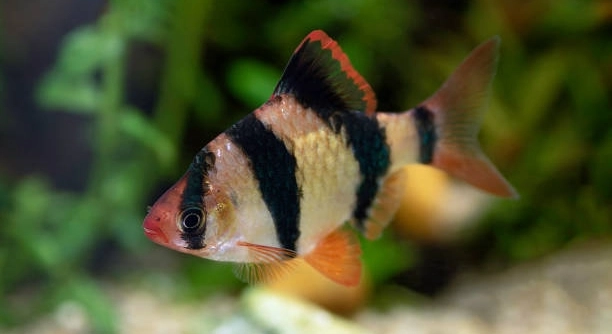
Tiger Barbs are lively fish that often catch the eye in home aquariums. Many aquarium owners notice these fish gathering near the glass, which can seem curious or unusual. Understanding why they do this can help improve their care and environment.
Tiger Barbs tend to group near the glass due to a combination of social behavior, environmental stimuli, and reflections. These factors create a sense of security or interaction, encouraging them to swim close to the tank walls rather than freely throughout the space.
Learning more about this behavior can help you create a better habitat for your Tiger Barbs. Their natural instincts and tank setup both play important roles in where they like to swim.
Why Tiger Barbs Are Attracted to the Glass
Tiger Barbs often gather near the glass because it provides a clear boundary for them to interact with. They are naturally social and curious fish, so the glass surface becomes a place where they can see their reflections or observe movements outside the tank. This can make them feel more secure, as they react to what appears like other fish nearby. In some cases, the light reflecting off the glass also attracts their attention. The glass acts as both a barrier and a mirror, creating an environment where they feel stimulated without risk. Their schooling behavior encourages them to stay close together, and the glass area often becomes a natural meeting point. Keeping the tank well-lit and free from sharp objects near the glass helps maintain their comfort and encourages this grouping behavior.
The reflections on the glass play an important role in encouraging Tiger Barbs to stay close to the tank walls. This behavior is mostly harmless and normal.
Understanding these habits helps improve tank design. Providing open spaces away from the glass lets the fish explore more freely, reducing any stress caused by feeling trapped or overstimulated near the glass.
How Tank Setup Influences Their Behavior
The layout and size of the aquarium greatly affect where Tiger Barbs swim. When tanks are small or overcrowded, these fish naturally cluster near the glass because it offers the illusion of more space and fewer threats. Plants or decorations placed far from the glass may also push them toward the edges. Additionally, water quality and temperature can influence their swimming patterns. Proper filtration and stable conditions make the tank environment comfortable, which may reduce their tendency to group near the glass. If the tank has clear boundaries and enough room to roam, Tiger Barbs are more likely to spread out evenly.
Adjusting the tank setup can encourage Tiger Barbs to explore more open areas.
By arranging plants and decorations thoughtfully, you create a more balanced environment. Tiger Barbs prefer a mix of hiding spots and open water. Using taller plants near the back and sides provides shelter without crowding the space. Also, avoid placing too many ornaments near the glass, which can trap them in smaller areas. Maintaining consistent water conditions supports their health and normal activity. A well-planned aquarium encourages natural behavior, letting your Tiger Barbs swim freely instead of clustering near the glass out of discomfort or boredom.
Social Behavior and Safety in Numbers
Tiger Barbs are schooling fish that feel safer when grouped together. Staying near the glass can give them a sense of protection because they can see their “group” and potential threats more clearly. This behavior is natural and helps reduce stress in the tank environment.
Schooling provides comfort through collective awareness. When Tiger Barbs swim together near the glass, they react as a unit to changes in their surroundings. This helps them avoid danger and maintain social bonds. The glass acts like a boundary, giving them a clear view without being fully exposed. It creates a feeling of safety while still allowing interaction with their environment. This instinct to stick together near visible edges is common in many fish species that rely on numbers for security.
Sometimes, this grouping also helps the fish establish social hierarchy within the school. Dominant fish may choose preferred spots near the glass, while others follow closely behind. This organized behavior supports group cohesion and overall well-being in the aquarium.
Environmental Stimuli Affecting Glass Grouping
Lighting and movement outside the tank influence Tiger Barbs’ attraction to the glass. Bright lights and reflections catch their attention, encouraging them to swim close. They may also respond to shadows or activity nearby, interpreting these as stimuli worth investigating.
The environment around the tank plays a big role in fish behavior. Tiger Barbs are naturally curious and use visual cues to understand their space. Light levels can make the glass area more inviting, especially if the rest of the tank is dimmer. Movement from people or pets outside the tank can also draw their focus. These external factors increase their activity near the glass, making it a hotspot for interaction. Adjusting light and controlling distractions can help balance their swimming patterns, encouraging exploration throughout the tank rather than clustering at the edges. This keeps them active and healthy in their environment.
Reflections and Visual Interaction
Tiger Barbs often mistake their reflections for other fish. This causes them to stay near the glass, interacting with what they think is a companion or rival. This behavior is natural and can keep them engaged in their environment.
While reflections provide stimulation, too much can cause stress. It’s important to balance tank lighting to avoid constant visual confusion.
Impact of Feeding and Routine
Feeding times influence where Tiger Barbs gather. They often swim near the glass expecting food, especially if feeding happens at the front of the tank. This learned behavior reinforces their presence near the glass over time.
Consistency in feeding schedules helps create calm behavior. When fish anticipate food at specific times, they tend to be less anxious and more settled throughout the day.
Temperature and Comfort Zones
Tiger Barbs prefer stable water temperatures between 74 and 79°F. Areas near the glass may have slightly different temperatures depending on the tank’s environment. They tend to seek spots that feel most comfortable for them.
Keeping water temperature stable reduces stress and encourages natural swimming patterns.
Tank Maintenance and Glass Clarity
Clean glass allows Tiger Barbs to see clearly, making the area more attractive. Dirty or algae-covered glass may discourage them from gathering near it. Regular cleaning supports their natural behavior and enjoyment of the tank.
FAQ
Why do Tiger Barbs keep swimming near the glass?
Tiger Barbs swim near the glass because they see their reflections and other fish movements. This makes them feel like they are part of a group or reacting to nearby companions. The glass acts as a boundary where they feel safe and stimulated. Light reflections also attract their attention, encouraging this behavior.
Is it harmful for Tiger Barbs to stay near the glass?
Usually, it is not harmful. Swimming near the glass is a natural behavior related to social interaction and curiosity. However, if they seem stuck or stressed, it could mean the tank is overcrowded or uncomfortable. Checking water quality and tank setup can help reduce any issues.
Can reflections stress Tiger Barbs out?
Yes, too many reflections can cause confusion and stress. If they constantly chase their reflections or seem agitated near the glass, it’s a good idea to adjust lighting or add background decorations to reduce reflections.
How can I encourage Tiger Barbs to swim away from the glass?
Providing plenty of plants, hiding spots, and open swimming areas helps. Arranging decorations so the glass isn’t the only clear boundary encourages them to explore more of the tank. Also, maintaining proper water conditions and temperature supports normal behavior.
Does tank size affect their behavior near the glass?
Yes, smaller tanks or crowded spaces make Tiger Barbs feel limited. They tend to gather near the glass in these situations because it offers a visible boundary and some sense of space. Upgrading to a larger tank or reducing overcrowding can improve their comfort.
Why do Tiger Barbs group together near the glass?
Tiger Barbs are schooling fish. Grouping together near the glass is part of their social nature, giving them safety in numbers. It allows them to watch their surroundings while feeling protected. This behavior helps reduce stress and keeps their group organized.
Can feeding habits make them stay near the glass?
Definitely. If feeding happens near the glass, Tiger Barbs learn to associate that area with food. Over time, they will gather there regularly, waiting for feeding time. Keeping feeding routines consistent helps manage this behavior.
What role does lighting play in their glass grouping?
Lighting draws Tiger Barbs’ attention to reflections and shadows near the glass. Bright or flickering light can make this area more stimulating. Adjusting the tank’s lighting can reduce excessive attraction to the glass and promote more balanced swimming.
Are there signs of stress related to glass swimming?
Yes. Signs include frantic chasing of reflections, rapid breathing, or hiding too much near the glass without moving away. These indicate the fish might feel threatened or uncomfortable. Monitoring water parameters and environment helps prevent stress.
How often should I clean the tank glass?
Cleaning the glass once a week or as needed keeps it clear and inviting for Tiger Barbs. Dirty glass can block their view, reducing their interest in swimming near it. Use gentle cleaning tools to avoid harming the fish or plants.
Does temperature near the glass differ from other areas?
Sometimes, yes. Temperature near the glass can be affected by room conditions or lighting. Tiger Barbs seek comfortable zones, so if the glass area has a preferred temperature, they might gather there more often. Maintaining stable tank temperature helps them feel secure.
Can reflections confuse Tiger Barbs about tank mates?
Yes. They may mistake their own reflection for another fish. This can lead to territorial or social behaviors directed at the glass. Using backgrounds or reducing reflections can help reduce confusion and keep fish calmer.
Tiger Barbs often group near the glass for several natural reasons, including social behavior, reflections, and environmental factors. This behavior is normal and shows how these fish interact with their surroundings and each other. The glass provides a boundary where they can see their reflections and feel part of a group, which helps them feel safe. Their schooling instincts encourage them to stay close together, and the glass area often becomes a natural gathering place. Understanding this behavior can help aquarium owners create a better environment that meets the needs of Tiger Barbs.
Setting up the tank with the right balance of decorations, plants, and open swimming space is important for encouraging natural behavior. If the tank is too small or overcrowded, Tiger Barbs tend to stay near the glass because it offers a visible boundary and some sense of security. Proper lighting also plays a role by influencing how much the fish are attracted to reflections on the glass. Adjusting the light levels and providing hiding spots away from the glass can help reduce stress and encourage the fish to explore the entire tank. Maintaining stable water conditions, including temperature and cleanliness, supports their health and comfort, which influences how they move around the tank.
Observing Tiger Barbs closely can help identify when their behavior is normal or if there might be stress or discomfort. When they swim near the glass, it usually means they feel safe or curious about their environment. However, signs like frantic chasing of reflections or staying in one spot too long may indicate a problem. Regular tank maintenance and careful tank design can reduce these issues and make the fish more comfortable. In the end, understanding why Tiger Barbs group near the glass helps improve their care and creates a more enjoyable aquarium experience for both the fish and the owner.

Hello,
If you enjoy the content that we create, please consider saying a "Thank You!" by leaving a tip.
Every little bit helps us continue crafting quality advice that supports the health, happiness, and well-being of pets around the world, for pets of all shapes, sizes, and species.
We really appreciate the kindness and support that you show us!