
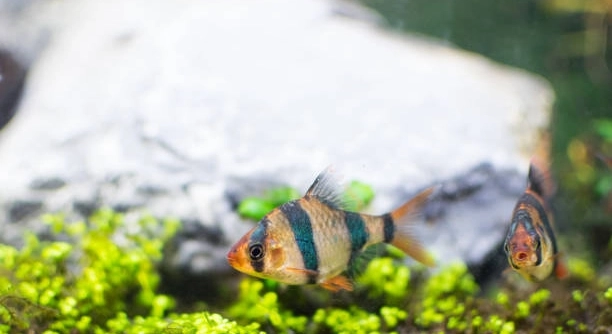
Tiger Barbs are lively, colorful fish that many people enjoy keeping in home aquariums. Sometimes, these fish suddenly start acting aggressive or nippy, which can surprise their owners. Understanding the reasons behind this behavior is important for a peaceful tank environment.
Tiger Barbs may become nippy overnight due to stress, changes in their environment, or lack of proper schooling. Sudden shifts in water quality, overcrowding, or the absence of enough companions can trigger their aggressive tendencies.
Recognizing these triggers can help you create a calmer aquarium and reduce unwanted nipping behaviors.
Common Causes of Sudden Nippiness in Tiger Barbs
Tiger Barbs can turn nippy suddenly due to several common factors. One main cause is stress, which might come from changes in water temperature or quality. These fish are sensitive to their environment, so any shift can make them more aggressive. Overcrowding is another factor. When there are too many fish in a tank, space becomes limited, and Tiger Barbs may bite to establish dominance. Also, these fish are schooling species and need a group to feel secure. If they are alone or in too small a group, they may start nipping other fish out of boredom or anxiety. Introducing new tank mates without a proper acclimation period can also trigger sudden aggression. By identifying these causes early, it becomes easier to manage behavior before it worsens.
Water quality and tank conditions play a big role in fish behavior. Clean water and stable conditions can prevent many issues.
Adjusting tank size, maintaining water quality, and keeping an appropriate school of Tiger Barbs usually reduces nippy behavior significantly.
How to Manage and Prevent Nipping
Preventing nipping starts with creating a stable, comfortable environment. Keep water parameters consistent and perform regular water changes. Make sure the tank is large enough to house at least six Tiger Barbs, as this helps reduce aggression by spreading out any dominance displays. Avoid mixing Tiger Barbs with slow-moving or long-finned fish, which they tend to nip. Adding plenty of plants and hiding spots can also help by reducing stress and providing distractions. If aggression continues, consider rearranging the tank to break established territories. Observing your fish regularly lets you catch signs of stress or aggression early and adjust care as needed. With consistent effort, most nipping issues can be controlled effectively, making the aquarium a peaceful space for all fish.
Signs That Tiger Barbs Are Becoming Nippy
Tiger Barbs may nip at the fins of other fish or chase them around the tank. You might notice torn or ragged fins on tank mates. Sudden changes in swimming patterns or increased hiding can also indicate aggression.
Nippiness often appears as repeated fin biting or chasing, especially during feeding times or when new fish are introduced. This behavior can escalate quickly, causing stress and injury. Pay close attention to how your Tiger Barbs interact with other fish. Sometimes, nipping is subtle at first but grows worse if ignored. Watching their behavior daily helps catch issues early and protect all fish in the aquarium.
Environmental changes can make nipping worse. Noise, sudden movements near the tank, or lighting shifts might trigger aggression. Minimizing disruptions and keeping a calm setting helps reduce tension. Providing enough space and hiding spots lowers stress, making nipping less likely.
Adjusting Tank Setup to Reduce Aggression
Proper tank setup can greatly reduce nippy behavior in Tiger Barbs. A larger tank with plenty of swimming room disperses aggressive behavior, while plants and decorations create visual barriers to break lines of sight. This helps reduce territorial disputes and chasing.
Adding a well-planned arrangement of plants and hiding places gives fish areas to escape if they feel threatened. Avoid overcrowding by limiting the number of fish and maintaining a balanced community. Using calm lighting and steady filtration also helps create a stable environment. These adjustments make fish feel secure, lowering their need to compete aggressively. Consistent care and observation ensure your tank remains a peaceful home for Tiger Barbs and their tank mates.
Importance of Schooling for Tiger Barbs
Tiger Barbs are schooling fish and feel safer in groups of six or more. Keeping fewer can lead to boredom and aggression.
A proper school spreads out dominance struggles and keeps the fish busy. This reduces nipping and promotes natural, peaceful behavior.
Feeding Habits and Nipping
Feeding habits can influence Tiger Barbs’ nippiness. Overfeeding or competition during feeding may increase aggression. Feeding smaller, frequent meals helps reduce stress and fights over food. Providing a varied diet also keeps them healthy and less likely to become aggressive from hunger or boredom.
When to Separate Aggressive Fish
Separating a nippy Tiger Barb may be necessary if aggression persists. Isolation can calm the fish and protect others. If nipping damages tank mates, a separate tank or quarantine area can help manage behavior until it improves.
FAQ
Why do Tiger Barbs suddenly start nipping other fish?
Tiger Barbs often nip when stressed or bored. Changes in water quality, temperature, or tank setup can upset them. Also, if they are kept alone or in small groups, they may become aggressive out of loneliness or insecurity. Overcrowding and lack of hiding spots can increase this behavior.
How many Tiger Barbs should I keep together?
A group of six or more Tiger Barbs is best. They are schooling fish and feel more secure in larger groups. Keeping fewer can cause them to focus aggression on other fish or tank mates, leading to nipping.
Can changing the tank size help reduce nipping?
Yes, a larger tank gives Tiger Barbs more space to swim and establish territories without constant conflict. Overcrowded tanks tend to increase stress and aggression. Providing at least 30 gallons for six or more Tiger Barbs is recommended.
What water conditions keep Tiger Barbs calm?
Stable water temperature between 74°F and 79°F and clean, well-filtered water help reduce stress. Frequent water changes and monitoring pH around 6.5 to 7.0 keep the environment comfortable. Sudden changes in these parameters may increase aggression.
Are there certain fish that Tiger Barbs nip more often?
Tiger Barbs tend to nip at slow-moving or long-finned fish, such as bettas or angelfish. They may target fins that look like smaller fish or are easy to chase. Avoid mixing Tiger Barbs with such species to minimize problems.
How can I tell if a fish is being injured by Tiger Barbs?
Look for torn, ragged fins or missing scales. Injured fish might hide more or swim erratically. Early signs include small fin damage or discoloration. Promptly separating injured fish or reducing aggression is important to prevent infection.
What role does diet play in nipping behavior?
A balanced, varied diet keeps Tiger Barbs healthy and less aggressive. Overfeeding or feeding only once a day can cause stress or competition, triggering nipping. Smaller, frequent meals with quality flakes, pellets, and occasional live food help maintain calm behavior.
Is rearranging tank decorations helpful?
Yes, rearranging plants and decorations breaks up territories and reduces established dominance. This helps lower aggression by creating new boundaries and distractions. Changing the tank layout occasionally can keep fish behavior more balanced.
When should I consider separating a nippy Tiger Barb?
If aggression leads to serious injuries or stress in other fish, separation is necessary. Isolate the nippy fish in a quarantine tank until behavior improves. Long-term isolation may be needed if aggression continues despite environmental changes.
Can nipping behavior be completely eliminated?
Nipping can be greatly reduced but might never fully disappear, as Tiger Barbs have a naturally active and somewhat aggressive nature. Managing tank conditions, schooling, diet, and species choice minimizes problems, helping create a more peaceful community tank.
Tiger Barbs are lively and interesting fish that add color and movement to any aquarium. Their tendency to nip can be frustrating, but understanding why this happens is important. Factors like stress, changes in environment, and social needs all play a role in their behavior. By paying attention to these details, you can help reduce nipping and keep your tank peaceful. Taking care of water quality, maintaining the right group size, and providing enough space are key steps in managing aggression.
It is natural for Tiger Barbs to show some level of nipping since they are active and somewhat territorial fish. This behavior often increases when they feel threatened or bored. Providing a stable environment with plenty of hiding spots and plants helps them feel safe. Keeping them in groups of six or more is also very important because it spreads out any aggressive actions among the school. This helps reduce stress on other fish and makes the whole tank a better place to live.
Regular observation is a good habit to develop when caring for Tiger Barbs. Watching how they interact with each other and with tank mates will help catch problems early. If nipping becomes serious, changes in tank setup or even separating aggressive fish may be necessary. With patience and proper care, Tiger Barbs can live peacefully alongside other fish. This allows you to enjoy their bright colors and energetic nature without constant worry about fin damage or stress.

Hello,
If you enjoy the content that we create, please consider saying a "Thank You!" by leaving a tip.
Every little bit helps us continue crafting quality advice that supports the health, happiness, and well-being of pets around the world, for pets of all shapes, sizes, and species.
We really appreciate the kindness and support that you show us!