
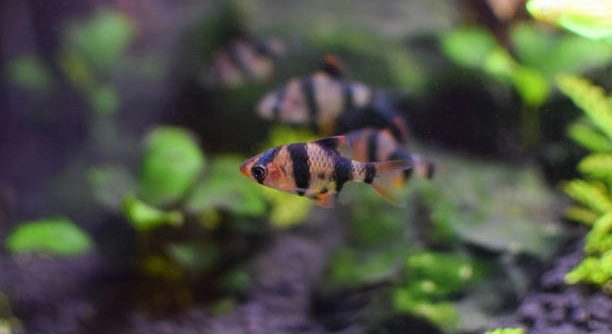
Tiger barbs are popular freshwater fish known for their bright colors and lively behavior. Many aquarium owners enjoy watching them swim, but sometimes these fish can be seen gasping at the surface of the water. This behavior often raises concerns about their health and environment.
Tiger barbs gasp at the surface mainly because of low oxygen levels in the water. Poor water quality, inadequate aeration, or overcrowding can reduce oxygen availability, causing the fish to seek air near the surface to breathe more easily.
Learning what causes this behavior can help you improve your aquarium setup and keep your tiger barbs healthy and comfortable.
Common Causes of Tiger Barbs Gasping at the Surface
One frequent cause of gasping behavior in tiger barbs is low oxygen levels in the tank. Oxygen naturally dissolves in water, but factors like high temperatures, overcrowding, or poor filtration can reduce its availability. When oxygen is scarce, tiger barbs swim to the surface to access more air. Another cause is poor water quality. Waste buildup, uneaten food, and decaying plants can increase toxins like ammonia and nitrites, making it harder for fish to breathe. In some cases, illnesses affecting the gills or swim bladder also lead to surface gasping. Maintaining clean water and proper tank conditions is key to preventing this behavior. Regular water changes and monitoring parameters like temperature and pH help create a stable environment where tiger barbs thrive.
Poor oxygen levels make breathing difficult, causing tiger barbs to seek air at the water surface.
Knowing how to recognize and address these causes will keep your fish healthier and more active in their tank.
How to Improve Oxygen Levels in Your Aquarium
Increasing oxygen in the water can help reduce surface gasping. Using an air pump or adding airstones improves water circulation and oxygen exchange. Avoid overcrowding by keeping the number of fish appropriate for the tank size. Plants can also help by producing oxygen during photosynthesis, but be mindful that some plants consume oxygen at night. Regularly cleaning the tank and filters removes waste that lowers water quality. Monitoring temperature is important because warmer water holds less oxygen. Keeping the aquarium between 75 and 80 degrees Fahrenheit is ideal for tiger barbs. Small changes like these can make a big difference in your fish’s comfort and health.
Signs of Poor Water Quality
Cloudy water, foul smell, and visible waste are clear signs of poor water quality. Fish may act lethargic or show unusual behavior like gasping. Testing water regularly helps catch problems early.
Maintaining good water quality means checking ammonia, nitrite, and nitrate levels often. High ammonia or nitrites are toxic and cause stress to tiger barbs. Frequent water changes and proper filtration reduce these harmful substances. Avoid overfeeding, as leftover food decomposes and pollutes the water. Keeping plants and decorations clean also helps maintain balance. A healthy tank supports your fish’s immune system and reduces gasping caused by water conditions.
In some cases, a sudden change in water parameters can shock fish, leading to surface gasping. Slow adjustments and stable conditions prevent this. If water quality is the issue, fixing it quickly can stop gasping and help your tiger barbs recover fast.
Illness and Gasping Behavior
Respiratory illnesses or parasites can cause tiger barbs to gasp at the surface. These conditions affect the gills, reducing oxygen intake. Early treatment is important to avoid worsening symptoms.
If your fish gasp despite good water conditions, check for physical signs like red or swollen gills, clamped fins, or unusual spots. Quarantining sick fish can prevent spread and allow targeted treatment. Using medications designed for gill infections or parasites may be necessary. Always follow dosage instructions carefully to avoid harming your fish or beneficial bacteria in the tank. Observing behavior changes closely helps identify health issues early and supports timely care for your tiger barbs.
Overcrowding Effects
Too many fish in a tank reduce oxygen levels and increase waste buildup. This stresses tiger barbs and leads to gasping at the surface. Proper stocking helps avoid these problems.
Overcrowding also causes aggression and competition for food. When fish are stressed, their immune systems weaken, making illness more likely. A balanced number of fish supports a healthier environment and reduces surface gasping.
Temperature and Oxygen Levels
Warmer water holds less oxygen, which can cause tiger barbs to gasp at the surface. Keeping the tank temperature stable and within their preferred range helps maintain proper oxygen levels and fish health.
Maintaining Proper Filtration
Filtration removes waste and toxins, improving water quality. A good filter supports oxygen exchange and keeps the tank clean, reducing stress and gasping behavior in tiger barbs. Regular filter cleaning is important for efficiency.
Why are my tiger barbs gasping at the surface?
Gasping at the surface usually means your tiger barbs are struggling to get enough oxygen. Low oxygen levels in the tank are the most common reason. This can happen if the water is warm, overcrowded, or not well-aerated. Poor water quality from waste buildup also makes it hard for fish to breathe. Sometimes illness affecting their gills causes gasping too.
How can I tell if the oxygen level is low?
Look for fish gasping at the surface often or staying near air stones or filters where water moves more. If you notice rapid gill movement or lethargy, oxygen could be low. You can also test water parameters like ammonia and nitrite, as poor quality often accompanies low oxygen.
What is the best way to increase oxygen in my tank?
Adding an air pump or air stones helps move water and increase oxygen exchange. Make sure your filter produces good water circulation. Avoid overcrowding, as too many fish consume oxygen quickly. Plants can add oxygen during daylight but be cautious because some use oxygen at night.
How often should I change the water to keep my tiger barbs healthy?
Weekly water changes of 20-30% are usually enough to keep toxins low and oxygen levels stable. If your tank is crowded or if water tests show high ammonia or nitrites, you may need to change water more often. Clean water supports healthy fish and reduces gasping.
Can temperature changes affect my fish’s breathing?
Yes. Warmer water holds less oxygen. If your tank temperature goes above 80°F, your tiger barbs may start gasping. Keep the temperature steady between 75°F and 80°F for the best balance. Use a reliable heater and thermometer to monitor conditions.
Is overcrowding harmful to tiger barbs?
Definitely. Overcrowding reduces oxygen, increases waste, and causes stress. Stress weakens immune systems and can cause aggressive behavior. Follow stocking guidelines—usually one inch of fish per gallon—to keep your tank balanced and oxygen levels good.
What symptoms indicate my tiger barbs are sick, not just lacking oxygen?
Look for physical changes like red, swollen, or pale gills, clamped fins, spots, or unusual swimming behavior. Sick fish may stop eating or hide more. Illness affecting gills often causes gasping even if water quality is good, so watch for these signs.
How do I treat fish diseases that cause gasping?
First, isolate sick fish in a quarantine tank to stop spread. Use appropriate medication for parasites or bacterial infections affecting gills. Follow directions carefully and avoid overmedicating. Keep water clean and stable during treatment to help fish recover.
Can plants help improve oxygen for my fish?
Yes, live plants produce oxygen during photosynthesis. They also absorb some waste, improving water quality. But at night, some plants use oxygen, so balance is important. Choose plants that fit your tank’s light and temperature conditions to support a healthy environment.
What role does filtration play in preventing gasping?
Filtration removes waste and toxins that lower water quality and oxygen levels. A good filter keeps water clear and circulating, which helps oxygen dissolve. Regularly clean your filter media without removing all beneficial bacteria to keep it working well.
Should I worry if my tiger barbs occasionally gasp at the surface?
Occasional surface breathing can be normal, especially after feeding or during tank cleaning. However, frequent or constant gasping indicates a problem. Monitor water quality, tank conditions, and fish behavior closely to prevent long-term issues.
Can diet affect my tiger barbs’ breathing?
Overfeeding leads to leftover food that decomposes and pollutes water, reducing oxygen. Feed small amounts your fish can eat within a few minutes. A balanced diet keeps fish healthy, which helps their respiratory system function better.
What are some easy daily checks to prevent gasping?
Check the water temperature and clarity, watch your fish for unusual behavior, and ensure the filter and air pump are working. Remove uneaten food and debris. These small steps help maintain a healthy environment and keep oxygen levels stable.
Is it safe to use chemical oxygen supplements in the tank?
Chemical oxygen supplements can provide a quick boost but should not replace proper tank care. Overuse may harm beneficial bacteria and fish. Focus on improving aeration, filtration, and water quality for long-term health.
How do I balance the number of tiger barbs in my tank?
Tiger barbs are active and social, so keep them in groups of at least six. However, don’t overcrowd. A 20-gallon tank can comfortably house about 6-8 tiger barbs. More space means healthier fish and better oxygen levels.
What equipment upgrades help reduce gasping?
Consider adding an air pump or upgrading to a filter with higher flow. Use a heater with a thermostat to maintain stable temperature. Installing a good lighting system supports plants and overall tank health. These upgrades improve oxygen and water quality for your fish.
Tiger barbs gasping at the surface is a sign that something in their environment needs attention. It often points to low oxygen levels, poor water quality, or stress caused by overcrowding or illness. Understanding the reasons behind this behavior helps you take better care of your fish. By keeping the water clean, properly aerated, and at the right temperature, you create a healthy home where your tiger barbs can thrive. Small changes like regular water changes, proper feeding, and monitoring tank conditions make a big difference over time.
Keeping an aquarium is a responsibility that involves regular maintenance and observation. Watching your fish closely helps you notice early signs of trouble, such as gasping or unusual swimming. These behaviors are your fish’s way of telling you they need help. Fixing the problems quickly prevents more serious health issues and keeps your fish happy. Using good filtration and aeration equipment supports a stable environment and reduces stress. Remember, a stable and clean tank encourages natural behavior and reduces the chance of illnesses.
Ultimately, tiger barbs require a balance of many factors to stay healthy. Water quality, oxygen levels, temperature, and tank size all play important roles. When these factors are managed well, gasping at the surface becomes rare. Taking time to learn about your fish’s needs and making adjustments based on their behavior shows you care. Consistency is key, and with regular care, your tiger barbs will remain lively and colorful additions to your aquarium.

Hello,
If you enjoy the content that we create, please consider saying a "Thank You!" by leaving a tip.
Every little bit helps us continue crafting quality advice that supports the health, happiness, and well-being of pets around the world, for pets of all shapes, sizes, and species.
We really appreciate the kindness and support that you show us!