
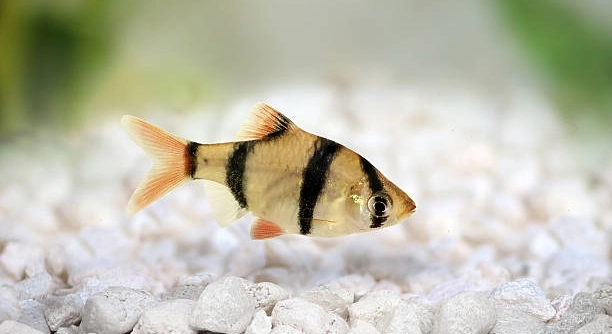
Tiger barbs are small, colorful fish that many aquarium owners enjoy watching. They often show interesting behavior that makes them stand out from other fish. One curious action is how they sometimes seem to follow a person’s finger outside the tank.
Tiger barbs follow your finger mainly because they recognize movement and associate it with food or curiosity. Their natural instincts prompt them to investigate objects moving near their environment, which explains their attentive behavior toward a finger tapping or hovering near the glass.
Learning more about why tiger barbs behave this way can help you better understand their needs and enjoy their company in your aquarium.
How Tiger Barbs See Movement
Tiger barbs are naturally attracted to movement. In the wild, quick motions usually signal food or potential threats, so their instincts are wired to pay close attention. When you move your finger along the tank glass, it creates a visual stimulus they can’t ignore. This behavior is a way for them to stay alert and explore their environment safely. Unlike some fish that might hide, tiger barbs are curious and bold, often swimming toward the motion to check it out. This is why they seem to follow your finger as it moves. Their sharp eyesight helps them detect even small changes in light and movement. Over time, they might learn that finger movement often means feeding time or something interesting. This natural reaction keeps them engaged and active in the tank, which is important for their well-being.
Because of their alertness to motion, tiger barbs often appear lively and responsive to owners interacting with the tank.
Understanding this helps explain their active and social nature inside home aquariums.
What Your Finger Means to Tiger Barbs
When your finger moves near their tank, tiger barbs don’t just see it as random motion. They associate it with attention and possibly food. This association comes from repeated experiences where tapping or waving a finger might lead to feeding or interaction. Over time, the fish learn that moving fingers often bring positive results. This learned behavior encourages them to follow the finger rather than ignore it. It’s a simple form of communication between you and your fish. Unlike animals on land, fish rely heavily on movement and visual cues to understand their surroundings. Your finger becomes a recognizable object in their environment, creating a connection even if it’s just through curiosity. This makes watching them follow your finger both entertaining and a sign that they are comfortable in their habitat.
Their response shows their ability to adapt and learn within their aquatic environment, which can be rewarding to observe.
Encouraging Healthy Interaction
It’s important to engage with your tiger barbs in ways that keep them healthy and stress-free. While following your finger can be fun to watch, avoid tapping the glass too hard or too often, as this may stress the fish. Gentle, slow movements work best to attract their attention without causing alarm. Offering food after interaction can reinforce positive behavior but should be done in moderation to prevent overfeeding. Providing a well-maintained tank with plenty of hiding spots and space to swim helps tiger barbs feel secure, encouraging natural behavior. Interaction through finger movement can strengthen the bond between owner and fish, but it’s important to observe their reactions closely. If they appear agitated or try to hide, it’s best to give them space. Balanced attention and care will ensure your tiger barbs stay active and healthy over time.
Tiger Barbs and Social Behavior
Tiger barbs are naturally social fish that prefer living in groups. Keeping them in schools of at least six reduces stress and aggressive behavior. They use movement to communicate with each other, which is why they often follow each other’s motions.
Their tendency to follow your finger is partly linked to their social instincts. They interpret the movement as something worth investigating or mimicking. This behavior also helps them stay alert to potential changes in their environment. When one fish starts following your finger, others quickly join, turning it into a group activity.
This social behavior means your finger can become a focal point for interaction, encouraging them to be more active and engaged. Understanding this can help you create a better environment that satisfies their social needs.
Visual Sensitivity in Tiger Barbs
Tiger barbs have keen eyesight that allows them to detect subtle movements and contrasts. This sharp vision makes them highly responsive to anything moving near their tank, including your finger. Their eyes are adapted to spot motion quickly, which helps them survive in the wild.
This sensitivity explains why they react so strongly to finger movements on the glass. It’s not just curiosity but an instinctive response to potential stimuli. The bright stripes on their bodies also help them communicate visually with other tiger barbs. These patterns stand out clearly in the water, making movement easier to track.
Because of their visual awareness, they tend to be very lively and interactive fish. Their eyesight plays a key role in how they experience and respond to their surroundings.
Interaction and Feeding
Tiger barbs quickly learn to associate finger movements with feeding time. When they see a finger tapping or moving near the glass, they often expect food to follow.
This association encourages them to pay close attention and follow the motion eagerly, linking it to positive experiences.
Tank Environment and Behavior
A well-maintained tank with plants, hiding spots, and open swimming areas helps tiger barbs feel secure. Comfortable surroundings reduce stress, making them more likely to explore and interact with movements outside the tank.
When their environment is balanced, they show more natural behaviors, including following your finger without fear or hesitation.
Handling Stress
Avoid rapid or repeated tapping on the glass, as this can cause stress. Slow and gentle finger movements keep your fish calm and engaged.
Stress-free fish are healthier and more responsive to interaction, which benefits their overall well-being.
FAQ
Why do tiger barbs follow my finger but not other objects?
Tiger barbs respond best to movements that resemble natural cues, like a finger’s size and shape moving near the glass. Fingers move smoothly and predictably, which attracts their attention more than random objects. The fish associate this movement with feeding or interaction, making them more likely to follow a finger than something unfamiliar or irregular.
Is it safe to let tiger barbs follow my finger?
Yes, it is generally safe as long as you avoid tapping the glass hard or too often. Gentle finger movements won’t harm the fish and can even encourage healthy activity. Just be careful not to cause stress by making sudden or aggressive motions. Watching them follow your finger can be a pleasant way to bond without disturbing their routine.
Can following a finger stress tiger barbs out?
If done gently and sparingly, following your finger does not usually cause stress. However, constant tapping or rapid movements can alarm them. Stress can weaken their immune system, so it’s important to observe their behavior. If they start hiding or swimming erratically, it’s best to stop and give them space.
Will tiger barbs always follow my finger, or does it depend on the fish?
Not every tiger barb will respond the same way. Individual personalities, tank conditions, and past experiences influence their behavior. Some fish are more curious and bold, while others may be shy or less interested. Over time, consistent gentle interaction can encourage more fish to follow your finger.
Does finger-following mean the fish recognize me?
Tiger barbs don’t recognize people like pets do, but they can learn to associate certain movements with feeding or attention. Following your finger is more about reacting to motion and expecting food than recognizing you as an individual. Still, this behavior shows they are comfortable with your presence.
How can I encourage tiger barbs to follow my finger more often?
Use slow, smooth movements near the tank glass and avoid sudden motions. Try tapping gently or moving your finger in patterns they can easily track. Feeding them shortly after these interactions helps build a positive association. Make sure their tank environment is healthy, clean, and stress-free to keep them active and engaged.
Are there any risks to tapping the glass to get their attention?
Tapping the glass too hard or frequently can stress or frighten tiger barbs. Stress might cause illness or aggressive behavior among fish. It’s better to limit tapping and use gentle gestures. Providing a calm, stable environment helps maintain their well-being and keeps their behavior natural.
Why do tiger barbs sometimes ignore my finger?
Sometimes they may be resting, hiding, or simply not interested. If the tank environment is noisy, too bright, or stressful, they might avoid interaction. Illness or poor water quality can also reduce their activity. Regular tank maintenance and gentle handling improve chances they’ll respond to your finger.
Can following my finger help in training tiger barbs?
While not training in the traditional sense, this interaction encourages the fish to respond to visual cues and associate movement with feeding. It can improve their activity levels and reduce boredom. Consistent gentle interaction creates a routine they recognize, which can be rewarding for both owner and fish.
What should I do if my tiger barbs get stressed during interaction?
Stop the interaction immediately and give them time to calm down. Check water quality and tank conditions to ensure they are optimal. Reducing bright lights and minimizing loud noises can help. Patience and careful observation are key to maintaining a low-stress environment for your fish.
Tiger barbs are lively and interesting fish that often surprise their owners with unique behaviors, like following a finger along the tank glass. This behavior is mostly driven by their natural instincts and sharp vision. Movement catches their attention quickly, and they are naturally curious about what happens in their environment. When they see a finger moving near the glass, they often think it could mean food or something worth checking out. This simple response shows how alert and engaged tiger barbs can be when they are comfortable in their home.
Understanding why tiger barbs follow your finger can help you care for them better. It shows the importance of movement and interaction in their daily lives. While they don’t recognize people like pets do, they do learn to associate certain actions with feeding and attention. This makes gentle interaction rewarding for both the fish and the owner. However, it’s important to be mindful and avoid stressful behavior, such as tapping too hard or too often on the tank. Giving your fish a calm and safe environment supports their natural behavior and keeps them healthy.
Taking care of tiger barbs means paying attention to their environment and how they react to interaction. Providing a clean tank with enough space and hiding spots helps reduce stress and encourages natural curiosity. By moving your finger slowly and gently near the glass, you can engage with your fish in a way they enjoy without causing harm. Watching tiger barbs follow your finger can be a simple but special moment that shows how well they are adapting and thriving in your care.

Hello,
If you enjoy the content that we create, please consider saying a "Thank You!" by leaving a tip.
Every little bit helps us continue crafting quality advice that supports the health, happiness, and well-being of pets around the world, for pets of all shapes, sizes, and species.
We really appreciate the kindness and support that you show us!