
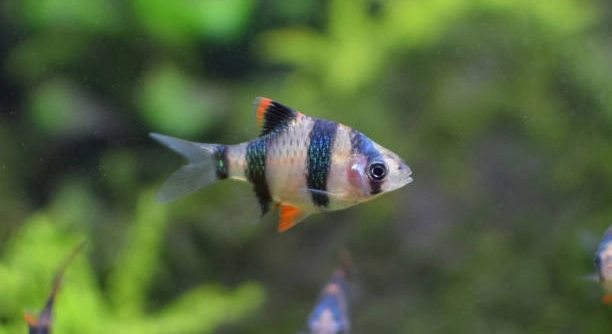
Do your tiger barbs often trail behind other fish in the tank, following them from one corner to the next without pause?
Tiger barbs are known to follow other fish due to their social nature, schooling behavior, and occasional signs of dominance or curiosity. This behavior is often influenced by tank dynamics, stress levels, and individual temperament.
Understanding this behavior can help you manage tank harmony and support your tiger barbs’ well-being in a shared aquatic space.
Understanding Tiger Barb Behavior
Tiger barbs are active, curious fish that thrive in groups. Their behavior often reflects their need for social interaction and stimulation. In a tank, you might see them chasing each other or trailing behind different fish. This is normal for them, as they prefer to stay in motion and engage with their surroundings. Following other fish can be their way of staying connected, especially in community tanks. It helps them feel secure and entertained. However, this behavior can sometimes become stressful for more passive species. If the tank setup lacks enough space or hiding spots, the tiger barbs’ actions may seem more aggressive than playful. They’re not always trying to bother other fish, but their constant energy can lead to misunderstandings. Giving them enough of their own kind to interact with helps reduce this behavior. Keeping at least six tiger barbs together often leads to a more balanced and peaceful tank.
Sometimes this behavior is also a sign of boredom. Without enough mental or physical activity, tiger barbs may follow fish just to stay entertained.
It’s helpful to provide decorations, plants, and a layout that allows the fish to explore. Movement, obstacles, and varied scenery support healthier interaction and less chasing.
Environmental and Social Factors
Tank conditions have a direct impact on how tiger barbs behave. Water temperature, lighting, and tank size all play a role in shaping their activity.
A cramped tank makes tiger barbs more likely to follow or pester other fish. These fish are naturally drawn to movement and respond to any shifts in their space. When the environment is too limited, they can’t release energy properly. This leads to restless behavior, which often shows up as chasing or trailing other species. Similarly, if water parameters are off — like pH or temperature — the fish may become anxious or unsettled. This stress often shows through overactive swimming. It’s also important to consider the types of fish they are kept with. Tiger barbs do better with active tank mates who don’t mind a little rough play. If kept with slower, more timid species, the constant attention from tiger barbs may become a problem. Creating the right environment takes some planning, but it makes a big difference in how these fish behave every day.
Signs Your Tiger Barbs Are Stressed
Tiger barbs may swim erratically, nip at other fish more than usual, or hide often when they’re stressed. You might also notice faded colors or a sudden change in how active they are throughout the day.
Stress can come from poor water quality, overcrowding, or an unbalanced group size. If tiger barbs are kept alone or in too small a group, they feel unsafe and more likely to show signs of anxiety. You may also notice them refusing food or darting quickly when approached. These reactions are not random—they often reflect a tank setup that needs adjusting. Adding more barbs and improving water conditions usually helps. Keep an eye out for nipping that doesn’t stop, even when the group size is right. That can be a sign something else is wrong. Watching their body language and making small changes in the tank can make a big difference.
Creating a stable environment lowers stress. Tiger barbs need consistent water temperature, proper pH, and a clean tank. They also need structure—plants, rocks, or driftwood help them feel safe. Keep a regular feeding schedule and avoid placing them with fish that are slow or easily startled. These little changes can ease tension and support natural behavior.
When Following Turns Into Aggression
Tiger barbs are playful, but if following turns into constant chasing or biting, it may be more than just curiosity. You might see one or two barbs doing all the chasing, while others try to escape or hide behind decorations.
This behavior can come from an uneven group dynamic or poor tank compatibility. If the tank has only a few barbs, one may try to dominate the others. That pressure can push them to take it out on other fish in the tank. Adding more barbs can shift this dynamic, making the chasing spread out rather than focused. Be sure they aren’t housed with slow or long-finned fish, as tiger barbs often nip at fins out of boredom or habit. Always check for signs of injury or fish avoiding food. Aggression doesn’t just affect behavior—it can lead to health issues. A balanced tank setup and the right group size reduce these issues.
How Group Size Affects Behavior
Keeping tiger barbs in small groups often leads to stress and aggression. They do best in schools of six or more, where they can form a natural pecking order and spread out their energy.
A proper group size makes them more active, playful, and less likely to bother other fish. It also helps reduce nipping.
Choosing the Right Tank Mates
Tiger barbs match well with other active, semi-aggressive fish like danios, loaches, or rainbowfish. Avoid pairing them with slow swimmers or fish with long fins, like angelfish or bettas. Those tank mates often become targets for nipping or chasing, which leads to stress and injury. Choose fish that can keep up with their pace and don’t mind a little bumping. Also, keep the tank size in mind—crowded tanks raise tension. A longer tank allows room for movement, which helps reduce unwanted interactions. The more space you give them, the better they behave overall.
Feeding Time Behavior
Tiger barbs can get pushy during feeding. They rush to the food and may bump or chase others out of the way. Spread the food out across the tank to lower this behavior.
FAQ
Why do my tiger barbs keep following just one fish around?
This usually happens when one fish is slower, different in appearance, or showing signs of weakness. Tiger barbs are quick to notice and often target fish that stand out or behave differently. It can also be a result of not enough distractions in the tank, such as limited plants, hiding spots, or group activity. Sometimes the following is harmless curiosity, but if the same fish is always the target, it’s best to watch closely and consider making changes to the environment or tank mate setup.
Is it normal for tiger barbs to nip at each other while swimming?
Yes, mild nipping is common among tiger barbs, especially in small groups. It’s how they establish a pecking order and stay active. However, it should never lead to injuries or constant chasing. If it gets worse, try increasing the group size or adding more decorations to break line of sight. Also check that your tank is large enough, as tight spaces can cause tension. A healthy, balanced group usually nips lightly but doesn’t cause harm. Over time, they often settle down once the group structure feels stable.
Can tiger barbs live with peaceful fish?
They can, but it depends on the species. Peaceful fish that are fast-moving and confident—like platies or rasboras—usually do well with tiger barbs. Avoid slow or timid fish, especially those with long fins, since tiger barbs may mistake those for something to chase or nip. If you’re adding peaceful fish, make sure your tank is big enough and offers plenty of space to swim freely. Group dynamics matter too—a well-sized group of tiger barbs is less likely to act out toward others.
Why are my tiger barbs hiding more often lately?
Hiding can be a sign of stress, fear, or illness. First, check your water conditions to make sure everything is stable. Poor water quality is one of the most common causes of stress. If water parameters are fine, think about recent changes—new tank mates, loud sounds, or changes in lighting can all affect their behavior. Also check for signs of bullying. A small group of tiger barbs may pick on the weakest one, making it hide. Adding more hiding spots and ensuring a good group size can help ease this.
Do tiger barbs get lonely if kept alone?
Yes, they are social fish and should not be kept alone. A single tiger barb will likely become anxious, dull in color, and less active. It may hide often or even stop eating. Always keep them in groups of at least six to help them feel secure and stimulated. They rely on each other for interaction and comfort. When alone, they don’t behave naturally. Group living helps reduce stress and brings out their best traits—like schooling, playful swimming, and balanced energy.
What should I do if my tiger barbs are constantly chasing each other?
Start by checking your group size. If there are fewer than six tiger barbs, they may be more aggressive with each other. Adding more can help distribute attention and ease tension. Also consider your tank layout—include plants, rocks, or decorations that break up space and give them areas to escape or rest. Feeding more than once a day, in small portions, can also reduce boredom and make them less likely to chase each other. If the chasing leads to injuries, it may be time to adjust the setup.
Why do they act differently after a water change?
Water changes can briefly shock fish if the temperature or chemistry changes too quickly. Tiger barbs may swim rapidly, hide, or become more active right after a change. To avoid this, make sure the new water is close in temperature and properly treated before adding it to the tank. Gentle, routine changes are better than large, sudden ones. Over time, they will adjust to the routine and respond more calmly. Watch for any signs of stress and adjust your process if needed.
Can following other fish be a sign of illness?
In some cases, yes. If the fish being followed is sick or moving slower than usual, tiger barbs may single it out. They tend to notice weakness and may follow or nip more. Also watch the tiger barbs themselves—if they’re acting unusually fixated or aggressive, it may be a sign they’re stressed or unwell too. Always check water quality, tank dynamics, and physical health if you notice behavior that seems off. Early signs of illness often show up first in social behavior.
Final Thoughts
Tiger barbs are lively, curious fish that bring a lot of energy to a tank. Their habit of following other fish is usually tied to their natural instincts. They are schooling fish and feel most comfortable when they are in a group. Sometimes, their following behavior is harmless and just a part of how they interact with other fish. Other times, it can be a sign that something is off in their environment or social group. By watching their behavior closely, you can often tell if they’re simply being playful or if they’re feeling stressed, bored, or even sick.
Tank conditions play a big part in how tiger barbs behave. When the tank is too small, overcrowded, or lacks hiding spots, these fish may become restless or aggressive. It’s important to give them enough space to swim and enough of their own kind to school with. A group of six or more usually helps them settle down and behave more naturally. Also, keeping the water clean and the temperature steady helps lower stress. The more stable and enriched their environment, the more balanced their behavior will be. Decorations, plants, and a thoughtful tank layout can make a big difference in how they interact with other fish.
Not all fish are a good match for tiger barbs. They do best with tank mates that are quick, confident, and active. Slower fish with long fins often end up being followed or nipped at. Watching how your tiger barbs treat others in the tank can help you decide if a change is needed. If you notice a lot of chasing, hiding, or nipping, it might be time to rethink the setup. Sometimes, simply adding more tiger barbs or rearranging the tank can reduce the problem. Every fish has its own personality, but patterns in behavior are still important. By creating a healthy, well-balanced environment, you help your tiger barbs stay active, social, and less likely to cause trouble in the tank. With the right care, their following behavior becomes more of a harmless quirk than a concern.

Hello,
If you enjoy the content that we create, please consider saying a "Thank You!" by leaving a tip.
Every little bit helps us continue crafting quality advice that supports the health, happiness, and well-being of pets around the world, for pets of all shapes, sizes, and species.
We really appreciate the kindness and support that you show us!