
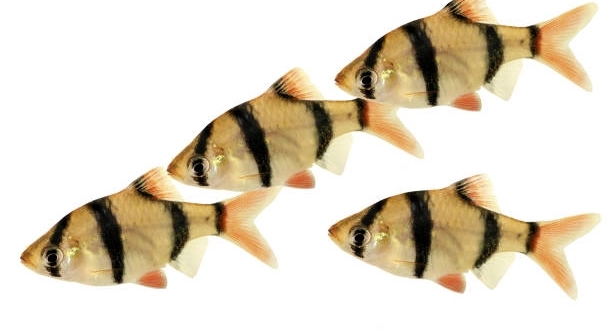
Tiger Barbs are popular aquarium fish known for their lively behavior and striking colors. They often interact actively with their environment, which can affect other tank inhabitants. Understanding their habits helps maintain a balanced and healthy aquarium.
Tiger Barbs tend to crowd the heater because they are naturally curious and territorial. They often gather around warm spots for comfort, especially in cooler water, leading to frequent clustering near heaters in the tank.
Recognizing this behavior helps improve tank setup and ensures a comfortable space for all your fish.
Why Tiger Barbs Prefer the Heater Area
Tiger Barbs often seek out warmer water near the heater because it mimics their natural habitat conditions. These fish come from tropical regions where water temperatures are stable and slightly warm. When aquarium temperatures fluctuate or drop, Tiger Barbs instinctively gather around heat sources to maintain their body temperature. This behavior is more noticeable in tanks that are not consistently heated or when the room temperature is cooler. Additionally, the heater creates a physical structure in the tank, which some Tiger Barbs use for territory or social interaction. Their active and curious nature also drives them to explore and sometimes cluster around the heater simply as a point of interest. While it may look like overcrowding, it is mostly comfort-seeking behavior influenced by temperature and the environment’s setup.
This habit is natural but can cause stress for other fish that prefer cooler areas. Proper tank arrangement can reduce conflicts.
Maintaining an even water temperature throughout the tank is key to limiting Tiger Barbs’ need to crowd the heater. Using a reliable heater and checking water temperature regularly prevents cold spots. Placing decorations or plants to create multiple warm zones can help distribute the fish evenly. It is also important to avoid sudden temperature changes. Gradual warming helps the fish adjust without clustering. Monitoring fish behavior and adjusting the environment ensures a healthier, less stressful aquarium for all inhabitants. Small changes can make a big difference in tank harmony.
Managing Heater Crowding Behavior
Adjusting tank temperature and layout often reduces heater crowding.
Providing hiding spots and consistent warmth encourages Tiger Barbs to spread out. Changing tank decorations creates interest away from the heater, helping fish feel secure in other areas. Regular temperature checks prevent cold patches that attract fish to the heater. Feeding routines also affect their activity and distribution in the tank. Well-fed fish tend to explore more, reducing clustering near heat sources. Observing your fish helps identify patterns and informs better care decisions. Consistency in tank conditions supports balanced fish behavior and overall tank health.
Effects of Crowding on Tank Environment
Crowding near the heater can create uneven water flow and temperature zones. This affects not only Tiger Barbs but also other fish in the tank.
When many Tiger Barbs gather in one spot, it limits water circulation around the heater area. Reduced flow can cause stagnant water pockets that affect oxygen levels and waste removal. Uneven temperature zones may stress fish preferring cooler or more stable environments. This imbalance can lead to increased aggression and competition for space and resources. Other fish might avoid the heated area, reducing their comfort and affecting their health. Ensuring proper water circulation and even heat distribution is important for a balanced aquarium ecosystem.
Overcrowding near the heater may also increase the risk of physical injury for Tiger Barbs themselves. Constant rubbing or bumping against the heater or each other can cause damage to their scales and fins. Injuries can open the door for infections or disease, further complicating tank maintenance. Monitoring fish behavior and maintaining clean, well-filtered water reduces these risks. It is crucial to manage the tank layout and environment to minimize crowding effects and support fish well-being.
Preventing Heater Crowding with Tank Design
Strategic tank design helps reduce heater crowding and improves fish distribution.
Using multiple hiding spots and varied decorations breaks up the space, encouraging fish to spread out naturally. Plants, rocks, and driftwood create areas where fish feel safe and less inclined to cluster. Positioning the heater near a filter or water current helps distribute heat more evenly, reducing warm spots that attract Tiger Barbs. Regularly changing or rearranging tank décor can refresh the environment, keeping fish curious and active throughout the entire tank. Thoughtful tank design promotes harmony and reduces stress among all aquatic inhabitants.
Monitoring Water Temperature Consistency
Keeping a stable water temperature reduces the need for Tiger Barbs to crowd the heater. Sudden drops make them seek warmth quickly.
Regularly checking the temperature with a reliable thermometer helps catch fluctuations early. Consistency supports healthier fish behavior and less crowding near heat sources.
Adjusting Feeding Schedules
Feeding Tiger Barbs at consistent times encourages movement throughout the tank. When fish are active, they tend to spread out rather than cluster near the heater. This simple change helps balance their distribution and reduces stress caused by overcrowding.
Using Tank Mates Wisely
Choosing compatible tank mates can influence how Tiger Barbs behave around the heater. Calm and social species encourage more even tank use. Aggressive or timid fish may cause clustering in specific areas. Proper selection supports a balanced and peaceful aquarium environment.
FAQ
Why do Tiger Barbs always crowd near the heater?
Tiger Barbs crowd near the heater because they naturally seek warmer water, especially when the tank temperature drops. The heater area provides comfort by maintaining a steady, warmer temperature. Their curious and social nature also leads them to gather in familiar spots. This behavior is normal but can be influenced by tank conditions and design.
Is it harmful if Tiger Barbs crowd the heater?
Crowding near the heater can cause uneven water flow and temperature, which may stress other fish. It can also lead to injuries from constant rubbing or bumping against the heater and each other. Over time, this can increase the risk of infections. Managing tank layout and water conditions helps reduce these risks.
How can I prevent Tiger Barbs from crowding the heater?
Prevent heater crowding by maintaining consistent tank temperatures and improving water circulation. Use decorations like plants and rocks to break up the tank space and create multiple warm spots. Position the heater near a filter to help distribute heat evenly. Adjust feeding schedules to encourage movement throughout the tank.
What tank temperature is ideal for Tiger Barbs?
Tiger Barbs thrive in water temperatures between 74°F and 79°F (23°C to 26°C). Keeping the temperature stable within this range reduces their need to crowd around heaters. Avoid sudden temperature changes, as these can cause stress and lead to more clustering near heat sources.
Can tank mates affect Tiger Barbs’ behavior around the heater?
Yes, tank mates influence Tiger Barbs’ behavior. Calm, social species encourage even distribution across the tank, while aggressive or shy fish can cause clustering. Selecting compatible fish helps maintain peaceful interactions and reduces crowding near the heater.
Should I use more than one heater in a tank with Tiger Barbs?
Using multiple heaters can help maintain even water temperature and prevent warm spots that attract Tiger Barbs. Place heaters on opposite sides or near filters to improve heat distribution. This approach reduces clustering and promotes a balanced environment.
How often should I check my aquarium’s temperature?
Regular temperature checks are essential. Use a reliable aquarium thermometer and check daily or several times a week. Consistent monitoring helps catch fluctuations early, keeping your fish comfortable and reducing heater crowding.
Does overcrowding near the heater affect other fish?
Yes, overcrowding can create hot spots and poor water circulation, stressing fish that prefer cooler areas. It can also limit access to hiding spots and resources. Ensuring even heat distribution and tank layout supports all fish’s well-being.
What signs show my Tiger Barbs are stressed from heater crowding?
Signs of stress include lethargy, loss of appetite, faded colors, and damaged fins or scales from rubbing. Increased aggression or hiding can also indicate discomfort. If these symptoms appear, adjust tank conditions and layout promptly.
Can changing the tank setup reduce heater crowding quickly?
Rearranging decorations and adding plants can encourage Tiger Barbs to explore new areas, reducing clustering near the heater. Changes should be gradual to avoid additional stress. Regularly refreshing the environment keeps fish active and distributes them more evenly.
Final Thoughts
Tiger Barbs are lively fish with natural behaviors that sometimes lead them to crowd around the heater. This tendency comes from their need for warmth and comfort, especially when the tank temperature is uneven or cooler than their preferred range. While this behavior is normal, it can cause problems such as uneven water temperature, poor circulation, and stress to other fish. Understanding why Tiger Barbs behave this way is important for creating a healthy aquarium environment. By observing their habits, you can make adjustments to keep your fish comfortable and reduce crowding.
Maintaining a consistent water temperature is one of the most effective ways to prevent Tiger Barbs from gathering around the heater. Using a reliable heater and checking the temperature regularly helps avoid sudden drops or cold spots that attract fish to warm areas. In addition, improving water flow by positioning the heater near a filter or using multiple heaters in larger tanks spreads heat more evenly. Tank design also plays a role. Adding plants, rocks, and decorations encourages the fish to explore and use more space instead of clustering in one spot. These changes not only help reduce crowding but also improve overall tank health.
It is also helpful to consider the social nature of Tiger Barbs and their tank mates. Compatible fish and proper feeding schedules promote movement and balanced behavior. Keeping the tank clean and monitoring fish for signs of stress or injury supports their well-being. Managing the environment with small but thoughtful changes ensures a peaceful community tank. Tiger Barbs can thrive without constantly crowding the heater when their needs are met consistently. Paying attention to temperature, space, and social factors creates a better home for all your aquarium fish.

Hello,
If you enjoy the content that we create, please consider saying a "Thank You!" by leaving a tip.
Every little bit helps us continue crafting quality advice that supports the health, happiness, and well-being of pets around the world, for pets of all shapes, sizes, and species.
We really appreciate the kindness and support that you show us!