
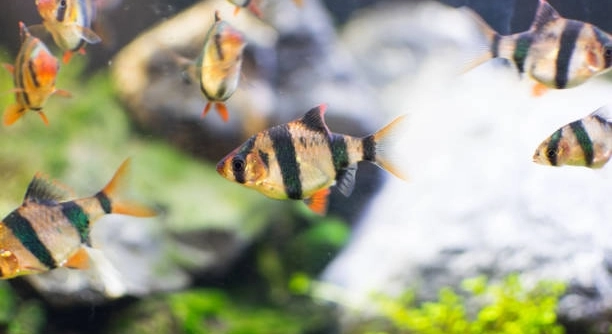
Tiger Barbs are lively fish that often attract attention with their bright colors and energetic movements. Many aquarium owners notice them swimming near the filter, which can seem puzzling at first. Understanding this behavior helps create a better environment for these active fish.
Tiger Barbs circle the filter mainly because of the strong water flow and increased oxygen levels in that area. Filters create currents that these fish enjoy swimming in, and the constant water movement also brings food particles, making it a favored spot for them.
This simple habit reveals more about their natural instincts and aquarium needs, which can improve how you care for your Tiger Barbs.
Why Tiger Barbs Prefer the Filter Area
Tiger Barbs naturally seek areas in the tank where the water is well-oxygenated and has a steady current. The filter output creates this perfect environment by pushing fresh water and oxygen into the tank. This movement mimics the flowing water in their natural habitat, making the filter area a comfortable spot for them. Besides oxygen, the current helps circulate food particles, attracting the fish to swim and hunt near the filter. The swirling motion also keeps them active and entertained, as Tiger Barbs are known for their energetic behavior. They tend to spend more time here because it suits their swimming style and instinct to stay where water conditions are best. This behavior isn’t a sign of stress but rather a preference linked to their survival needs. Watching them circle the filter can be a sign that your tank is providing a healthy environment.
The filter area provides a good mix of water flow and oxygen, which supports Tiger Barbs’ natural activity and comfort.
Tiger Barbs are schooling fish that like to stay together near the filter. The moving water helps them feel secure, and they often follow the current in groups. This behavior also encourages healthy exercise and helps reduce boredom. Observing them in this area shows they are adapting well to their surroundings, enjoying both the fresh water flow and the social interaction it encourages.
Potential Issues from Circling the Filter
Tiger Barbs swimming constantly near the filter can sometimes cause minor problems in the tank. Continuous swimming in one area may lead to uneven wear on decorations or plants. Also, if the filter output is too strong, it can tire out the fish or cause stress over time. It’s important to balance the water flow to ensure it’s not overwhelming. Sometimes, the fish may circle the filter because the rest of the tank lacks enough hiding spots or stimulation. Adding plants, rocks, or other decorations can encourage more balanced swimming behavior. Keeping the environment varied and comfortable helps reduce repetitive patterns and supports the fish’s wellbeing.
If Tiger Barbs swim near the filter too much, it may signal a need to adjust tank setup or flow strength.
Adjusting the filter flow to a moderate speed helps Tiger Barbs swim comfortably without exhausting themselves. Ensuring there are enough hiding places around the tank reduces the need for them to cluster near the filter. Introducing decorations and plants creates new spots for exploration, making the tank more stimulating. Proper feeding and water quality also play key roles in their activity levels. Monitoring these factors can help maintain a healthy, active group of Tiger Barbs that enjoy the whole tank, not just the filter area.
How to Adjust the Filter Flow
Too strong a current can tire Tiger Barbs and make them stressed. It’s best to reduce the flow if you see them struggling or staying in one spot without moving much.
You can adjust the filter output by lowering the power or using a flow diverter. Adding plants or decorations near the filter can also help break the current, making it gentler. This allows the fish to enjoy the area without fighting strong water pressure.
Keeping the flow moderate ensures Tiger Barbs stay active but not exhausted. Regularly check their behavior after adjustments to make sure the environment feels right. A well-balanced current helps maintain their natural swimming habits without causing fatigue or discomfort.
Creating a Balanced Environment
Tiger Barbs thrive in tanks with places to hide and explore. Adding plants, rocks, or caves gives them options away from the filter.
Providing a mix of open swimming areas and hiding spots encourages natural behavior and reduces repetitive circling near the filter. It also helps reduce stress by giving them safe zones. A variety of decorations can mimic their natural habitat and make the tank feel more comfortable.
When the environment feels secure and interesting, Tiger Barbs spend time exploring rather than sticking to one area. This balance supports their health and happiness while making the tank more enjoyable to watch.
Signs of Stress Around the Filter
If Tiger Barbs swim frantically or hide near the filter, it may indicate stress. Constant chasing or aggression near this area is another warning sign.
Stress can come from strong currents, overcrowding, or poor water quality. Watching their behavior closely helps identify these problems early and improve their environment quickly.
Maintaining Water Quality
Clean water is vital for Tiger Barbs’ health. Regular water changes and proper filtration keep toxins low and oxygen levels high.
Good water quality reduces stress and encourages natural behavior, including swimming comfortably around the tank and near the filter without fear or exhaustion.
Feeding Near the Filter
Tiger Barbs often gather near the filter because food particles collect there. This makes it a common feeding spot in many tanks.
Providing food evenly throughout the tank helps prevent overcrowding near the filter and keeps all fish active and healthy.
FAQ
Why do Tiger Barbs like to swim near the filter?
Tiger Barbs swim near the filter because it provides strong water flow and higher oxygen levels. The current mimics their natural habitat and keeps them active. Also, food particles often gather near the filter, attracting them to this spot. It’s a comfortable and stimulating area for their natural behaviors.
Is it harmful for Tiger Barbs to stay near the filter all the time?
Not necessarily. Staying near the filter isn’t harmful if the flow is moderate and water quality is good. However, if the current is too strong or they seem stressed, it can tire them out or cause health issues. Make sure the environment is balanced with enough space and hiding spots.
How can I reduce strong water flow from the filter?
You can adjust the filter power if it has a setting. Adding a flow diverter or placing plants and decorations near the filter can break up the current, making it gentler. This helps the fish swim comfortably without struggling against strong water movement.
Do Tiger Barbs need hiding places in the tank?
Yes, hiding places are important. Tiger Barbs feel more secure with plants, rocks, or caves where they can rest and hide. These spots reduce stress and prevent them from clustering only near the filter. A mix of open swimming space and hiding spots keeps them balanced and happy.
Can the behavior of circling the filter indicate stress?
Sometimes. If Tiger Barbs circle the filter calmly, it’s normal. But frantic or repeated swimming in one spot, hiding, or aggression near the filter can be signs of stress. Stress may come from poor water quality, strong currents, or overcrowding. Observing their behavior helps catch problems early.
How often should I clean the filter for Tiger Barbs?
Clean the filter regularly but avoid cleaning it all at once. Partial cleanings every two to four weeks keep it working well without removing beneficial bacteria. Good filtration supports healthy water quality, which is essential for Tiger Barbs’ wellbeing.
What type of filter is best for Tiger Barbs?
A filter that provides good water movement but allows flow adjustment is ideal. Canister filters or sponge filters work well. Make sure the flow isn’t too strong, and use flow baffles if needed. This keeps water clean while maintaining a comfortable current for the fish.
Why do Tiger Barbs sometimes nip at each other near the filter?
Tiger Barbs are semi-aggressive and may nip when crowded or stressed. Near the filter, strong currents and competition for food can increase this behavior. Providing enough space, hiding spots, and spreading food around the tank helps reduce nipping.
Should I feed Tiger Barbs near the filter or elsewhere?
Feeding near the filter is common because food gathers there, but it can cause overcrowding. It’s better to spread food evenly throughout the tank to encourage all fish to explore and reduce competition. This also helps prevent overfeeding in one area.
How can I encourage Tiger Barbs to swim away from the filter?
Add plants, decorations, or caves in other parts of the tank to create new interest points. Adjust the filter flow if it’s too strong. Feeding in different spots also encourages movement. A varied and enriched environment helps them explore beyond the filter area.
Can poor water quality make Tiger Barbs stay near the filter?
Poor water quality can cause stress, making fish behave oddly, but they usually avoid low-oxygen areas. Because the filter area has more oxygen, fish might stick there to breathe better. Keeping the tank clean and balanced is key to healthy behavior.
Is it normal for Tiger Barbs to swim in groups near the filter?
Yes, Tiger Barbs are schooling fish and often swim together near the filter. The current helps them stay active and social. Group swimming near the filter is natural and shows they feel safe and stimulated in their environment.
What is the best way to monitor Tiger Barbs’ health related to their filter behavior?
Watch their swimming patterns, colors, and interaction. Calm, steady swimming near the filter is fine. Signs of stress include frantic movements, hiding, or aggression. Regular water tests, filter maintenance, and balanced feeding support their health and reduce problems.
How do tank size and setup affect Tiger Barbs’ filter behavior?
Smaller tanks with strong filters can push fish to stay near the filter. Larger tanks with plenty of hiding spots encourage more even swimming. Proper setup with plants, rocks, and open space reduces repetitive circling and creates a healthier, more natural environment.
Can I use a gentle bubbler instead of a filter to provide oxygen for Tiger Barbs?
A bubbler adds oxygen but doesn’t clean water like a filter. Tiger Barbs need both clean water and oxygen. Using a filter with adjustable flow is best, and a bubbler can be added to improve oxygen levels if needed, but it should not replace the filter.
Tiger Barbs are lively fish that enjoy swimming near the filter because it provides a good flow of water and oxygen. This behavior is natural and shows they are comfortable with the environment you have created for them. The moving water simulates their natural habitat, which keeps them active and healthy. When they circle the filter, it is often because the current helps them swim more easily and because food particles tend to collect there. This spot becomes a favorite place for them to gather, making it a central part of their daily routine in the tank.
While it is normal for Tiger Barbs to spend time near the filter, it is important to watch for signs that may indicate a problem. If the water flow is too strong, it can tire the fish or cause stress. In such cases, adjusting the filter flow or adding plants and decorations to break the current can help. Providing enough hiding places and spaces for exploration also encourages the fish to spread out more evenly in the tank. This balance helps reduce any stress or aggression that might arise from overcrowding near the filter area. Regular water changes and proper filtration keep the tank clean and healthy, supporting the well-being of your Tiger Barbs.
Understanding why Tiger Barbs circle the filter helps improve their care and living conditions. Paying attention to their behavior and tank setup allows you to make small adjustments that have a big impact. A moderate water flow, good water quality, and a varied environment make your fish feel safe and comfortable. This leads to happier and more active Tiger Barbs, which is rewarding for anyone keeping them. With the right care, they will continue to thrive and brighten up your aquarium for a long time.

Hello,
If you enjoy the content that we create, please consider saying a "Thank You!" by leaving a tip.
Every little bit helps us continue crafting quality advice that supports the health, happiness, and well-being of pets around the world, for pets of all shapes, sizes, and species.
We really appreciate the kindness and support that you show us!