
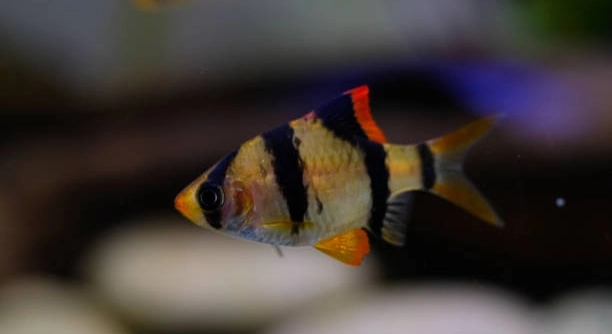
Tiger barbs are colorful freshwater fish known for their lively behavior and social nature. Many aquarists notice them circling each other, which can be both intriguing and confusing. This behavior is common in their interactions within a tank environment.
Tiger barbs circle each other mainly as a form of social interaction, including establishing dominance or engaging in playful sparring. This circling helps maintain hierarchy within the group and can also be a way to reduce aggression without causing harm.
Understanding why tiger barbs behave this way can help fish owners better manage their tanks and ensure a peaceful environment for all aquatic pets.
Why Tiger Barbs Circle Each Other
Tiger barbs often circle each other to establish social order. This behavior is a natural part of their group dynamics. Circling allows them to size each other up and communicate dominance without resorting to constant fighting. It helps reduce real aggression and maintains peace within the tank. Usually, the dominant fish will assert control by leading the circling or chasing others gently. This movement is also a form of play or practice for more serious disputes. In smaller groups, circling helps the fish feel secure by knowing their place. When there are more tiger barbs, this behavior becomes more frequent as they constantly negotiate social rankings. Recognizing this behavior can help aquarists avoid unnecessary worry, as it rarely leads to injury. Instead, it is a sign of a healthy social system among tiger barbs.
Circling is mostly harmless and should be seen as communication rather than conflict. It keeps the group balanced.
Learning how to observe these interactions closely can improve how you care for your tiger barbs. Watching which fish lead or follow can indicate who is dominant. You may notice changes in behavior if the hierarchy shifts, such as increased chasing or brief flashes of aggression. Knowing these signs can help prevent stress and injury. You might also consider adjusting tank conditions, like adding hiding spots or increasing the number of fish, to help distribute attention and reduce tension. Ultimately, understanding these social cues lets you provide a calmer environment for your fish.
Managing Circling Behavior in Your Tank
Circling is natural but can sometimes escalate if the tank is too small or overcrowded.
If aggression increases, it may be necessary to separate the most aggressive individuals or expand the tank. Ensuring plenty of plants, decorations, and hiding spots can break line-of-sight and reduce constant circling. A well-decorated tank allows fish to retreat when needed, lowering stress and aggression. Also, maintaining stable water conditions supports healthy behavior. Feeding routines can affect activity levels; feeding smaller amounts more frequently can reduce competition. Regular observation helps spot changes early. If aggression continues, consider consulting aquarium specialists or forums for advice tailored to your tank setup. With proper care and attention, circling remains a natural, manageable behavior in tiger barbs.
Signs That Circling May Become a Problem
Circling usually isn’t harmful, but it can signal tension if it becomes constant or aggressive. Watching closely helps catch early signs of stress or bullying among tiger barbs.
When circling turns into chasing or biting, it means dominance disputes are escalating. Fish may show torn fins, faded colors, or spend more time hiding. This behavior can lead to injury or weakened immunity if ignored. Stress reduces their ability to thrive and can cause illness. If you notice one fish repeatedly targeted, separating or rearranging the tank may be necessary. Early intervention prevents long-term problems and keeps your fish healthy.
Sometimes, the cause of increased aggression relates to tank size, water quality, or insufficient hiding spots. Overcrowding also contributes to heightened competition. Addressing these factors can calm the group and reduce circling aggression. Maintaining balance in your aquarium environment is essential to avoid serious conflicts.
Encouraging Peaceful Interactions
Adding more space or plants can reduce circling intensity. It gives fish options to escape or avoid confrontation.
Providing a well-structured environment breaks visual contact and interrupts chasing behavior. Floating plants, caves, and decorations create natural barriers. This setup helps fish feel secure and lowers stress. Increasing the number of tiger barbs also spreads aggression more evenly across the group, reducing pressure on any single individual. Proper feeding schedules and quality food keep fish content and less likely to compete aggressively. When these elements come together, your tiger barbs will interact more peacefully and show their natural, vibrant behavior.
Understanding Tiger Barbs’ Social Needs
Tiger barbs are social fish that need company to feel secure. Keeping them alone can increase stress and aggressive behaviors, including excessive circling.
A minimum group of six is recommended to help spread out aggression. This balance supports natural social interaction and reduces tension.
Tank Setup Tips for Reducing Circling
A larger tank with plenty of plants and hiding spots helps tiger barbs feel safe. Decorations break up sightlines and prevent constant circling. Regular water changes keep the environment stable, which lowers stress and promotes peaceful behavior among your fish.
Observing Changes in Behavior
Monitor your tiger barbs regularly for shifts in activity or aggression. Early detection of problems allows timely action to maintain harmony in the tank.
FAQ
Why do tiger barbs circle each other?
Tiger barbs circle each other mainly to establish social order within their group. This behavior acts as a way to communicate dominance and hierarchy without constant fighting. Circling is often part of playful sparring or mild displays of power, which help maintain balance and reduce true aggression.
Is circling a sign of aggression?
Not always. Circling is a normal social behavior that usually keeps conflict low. However, if circling turns into chasing, biting, or fin nipping, it can indicate increased aggression or stress. Monitoring the intensity and frequency of circling helps identify when it becomes problematic.
How many tiger barbs should be kept together?
A group of at least six tiger barbs is ideal. This number spreads out aggression and promotes natural social behavior. Smaller groups can lead to increased bullying and stress because fewer fish share dominance disputes.
Can circling cause harm to tiger barbs?
Circling itself rarely causes harm since it is more about communication than fighting. However, if it escalates to aggressive chasing or biting, injuries like torn fins or stress-related illness may occur. Providing enough space and hiding spots helps reduce such risks.
What tank size is best for tiger barbs?
A minimum of 30 gallons is recommended for a small group of six or more tiger barbs. Larger tanks allow for more space to swim and retreat, which lowers tension and excessive circling behavior. Tank size directly affects their comfort and social stability.
How can I reduce aggressive circling in my tank?
Increase tank size if possible and add plenty of plants and decorations to break line-of-sight. These elements create hiding places and reduce constant visual contact between fish. Feeding smaller amounts more frequently also lowers competition and aggression.
Do tiger barbs always establish a clear hierarchy?
Yes, tiger barbs naturally create a social ranking. Circling is one way they communicate status within the group. This hierarchy helps prevent constant fighting by establishing clear roles, which is essential for a peaceful community.
Should aggressive tiger barbs be separated?
If aggression causes injury or stress, separating the most aggressive fish temporarily can help restore peace. After some time, they may be reintroduced carefully. Sometimes rearranging the tank or adding more fish can also balance social tension.
Can circling indicate health problems?
Circling itself does not usually signal health issues, but changes in behavior combined with circling—like lethargy or hiding—may point to stress or illness. Observing overall behavior helps catch problems early.
Is it normal for tiger barbs to nip fins during circling?
Mild fin nipping can occur as part of dominance displays, but frequent or severe nipping is a concern. It may lead to injury and infection, so improving tank conditions or separating aggressive fish might be necessary.
What role does feeding play in circling behavior?
Feeding impacts aggression. Overfeeding or underfeeding can increase stress and competition, leading to more aggressive circling. Providing small, regular meals reduces tension and keeps fish calmer during feeding times.
Can tank mates affect tiger barbs’ circling?
Yes. Aggressive or territorial tank mates can increase stress and cause more frequent circling or chasing among tiger barbs. Choosing compatible species that tolerate active but social fish helps maintain harmony.
How do I know if circling is playful or serious?
Playful circling is usually brief, without injury, and followed by calm behavior. Serious circling involves chasing, biting, or signs of stress like hiding or damaged fins. Regular observation allows distinguishing between the two.
Are there natural behaviors related to circling outside the tank?
In the wild, tiger barbs use circling to establish territory and social order within shoals. This behavior is an important part of their natural interaction and survival strategy.
Can changes in tank environment reduce circling?
Yes. Adjusting lighting, temperature, or water flow can influence fish behavior. A stable and comfortable environment lowers stress, which in turn reduces excessive circling and aggression.
What should I do if circling behavior suddenly increases?
Check for changes in tank conditions like water quality, temperature, or overcrowding. Introduce more hiding spots or increase tank size if needed. Monitor fish health and behavior closely and intervene if aggression worsens.
Final Thoughts
Tiger barbs are active and social fish that naturally interact through behaviors like circling. This action is a key way they communicate and maintain a social order within their group. Understanding that circling is part of their normal behavior helps avoid unnecessary worry. Most of the time, circling is not aggressive but a way to keep peace and establish hierarchy without serious conflict. It is important to recognize the difference between harmless circling and signs of real aggression, such as chasing or fin nipping, so timely action can be taken if needed.
Creating a suitable environment is essential to managing circling behavior. Providing enough space, adding plants, and placing decorations in the tank can help reduce constant circling by breaking up the fish’s line of sight. These elements offer hiding spots and places for fish to retreat when feeling threatened or stressed. Maintaining good water quality and a stable temperature also supports peaceful behavior. Feeding fish regularly with appropriate portions lowers competition and aggression. When the tank is balanced, tiger barbs show more natural, calm interactions rather than excessive circling or chasing.
Regular observation is key to ensuring the well-being of your tiger barbs. Paying attention to their behavior helps detect early signs of stress or aggression, allowing you to address problems quickly. If circling escalates to harmful fighting, consider rearranging the tank, adding more hiding places, or increasing the number of fish to spread aggression. Sometimes separating aggressive individuals temporarily can restore calm. With careful care and attention, circling can remain a normal, manageable part of your tiger barbs’ social behavior, helping them live healthy and active lives.

Hello,
If you enjoy the content that we create, please consider saying a "Thank You!" by leaving a tip.
Every little bit helps us continue crafting quality advice that supports the health, happiness, and well-being of pets around the world, for pets of all shapes, sizes, and species.
We really appreciate the kindness and support that you show us!