
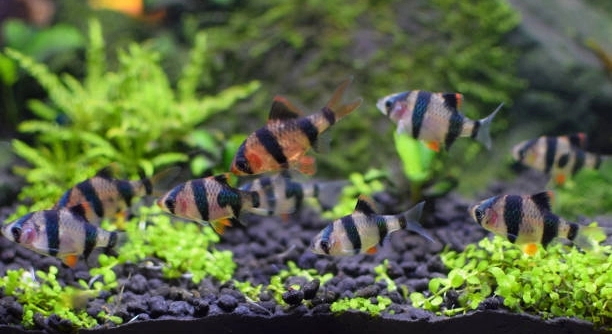
Tiger Barbs are popular freshwater fish known for their vibrant colors and lively behavior. Many aquarium owners notice these fish often chase other tank mates, which can be puzzling or concerning. Understanding their behavior can help create a more peaceful aquarium environment.
Tiger Barbs chase other fish primarily due to their natural territorial instincts and high energy levels. This behavior is a form of social dominance and play, but it can sometimes stress more passive species, leading to conflicts within the tank.
Recognizing the reasons behind this chasing behavior can help you manage your aquarium better and maintain harmony among your fish.
Why Tiger Barbs Chase Other Fish
Tiger Barbs are naturally active and curious fish, which makes them prone to chasing others in the tank. This behavior is partly due to their instinct to establish social order. In a community tank, they often chase other fish to assert dominance or test boundaries. They tend to be more aggressive when kept in small groups, as their social dynamics are not well balanced. When housed in larger groups of six or more, chasing behavior usually decreases because they focus more on each other. Also, the size and temperament of other fish play a role. Slower, long-finned, or shy fish often become targets, as Tiger Barbs may perceive them as easy to chase. Understanding this behavior helps in choosing compatible tank mates and adjusting group sizes to reduce stress and aggression.
Their chasing is a natural behavior, but tank setup and group size influence how often it occurs.
Keeping a larger group of Tiger Barbs and selecting fast, active tank mates helps minimize chasing and creates a healthier environment.
Managing Aggression in Your Aquarium
To reduce chasing, it’s essential to provide ample space and hiding spots for all fish. Plants, rocks, and decorations create natural barriers and break lines of sight, helping chased fish escape. Overcrowding should be avoided, as limited space increases stress and aggressive interactions. Monitoring water quality and maintaining stable conditions also lowers stress levels in fish, making them less likely to chase others. Feeding regularly and ensuring a balanced diet can reduce aggression caused by competition for food. Sometimes, adding more Tiger Barbs helps spread out aggression and prevent them from targeting other species. Observing your tank’s social dynamics allows timely adjustments, such as rearranging decorations or removing overly aggressive individuals if needed.
Adjusting the environment and fish numbers is key to managing chasing and keeping your aquarium peaceful.
Choosing Compatible Tank Mates
Choosing the right tank mates for Tiger Barbs can greatly reduce chasing. Active, fast-swimming fish with similar temperaments usually fare better. Avoid slow or long-finned species that may become targets.
Compatible fish like danios, barbs, and larger tetras handle the Tiger Barbs’ energy well. These species can keep up with their quick movements and are less likely to get stressed by chasing. On the other hand, peaceful or slow fish such as bettas, angelfish, or fancy goldfish often become stressed or injured. It’s best to avoid mixing Tiger Barbs with species that have delicate fins or timid behavior.
Introducing tank mates gradually and monitoring interactions helps ensure everyone adjusts smoothly. If chasing becomes excessive, consider separating species or increasing tank size to give more space.
Environmental Factors That Affect Chasing
Tank size and layout strongly influence chasing behavior. Smaller tanks limit space and increase aggression, while larger tanks allow fish to avoid each other more easily. Providing plenty of plants and hiding spots breaks up the line of sight and helps reduce stress. Dim lighting and gentle filtration can create a calmer environment. Temperature and water quality also affect fish behavior—stress from poor conditions can increase chasing. Regular maintenance and monitoring help keep conditions stable. Adjusting the environment to meet Tiger Barbs’ needs supports calmer, more balanced behavior in your aquarium.
How Group Size Affects Behavior
Tiger Barbs kept in groups smaller than six tend to show more chasing behavior. They focus their energy on tank mates rather than each other. Increasing the group size helps distribute aggression within the school.
In larger groups, chasing is less intense and less frequent. The fish establish a more balanced social order, which lowers stress for all tank inhabitants.
Signs of Stress from Chasing
Chased fish may show signs of stress such as faded colors, torn fins, or hiding excessively. These symptoms indicate that the chasing is affecting their well-being. Timely intervention is important to prevent injury or illness.
Feeding and Aggression
Regular feeding helps reduce aggression among Tiger Barbs. Hungry fish tend to become more aggressive, chasing others for food. Feeding smaller, frequent meals keeps them satisfied and calmer.
Rearranging Decorations
Changing the tank layout can interrupt established territories. This often reduces chasing by breaking up social hierarchies. Moving plants, rocks, and hiding spots gives fish a fresh environment and less reason to chase.
FAQ
Why do Tiger Barbs chase only certain fish?
Tiger Barbs usually target slower, shy, or long-finned fish because they are easier to chase. These traits make the fish appear weaker or less able to escape quickly. The chasing is often a way for Tiger Barbs to show dominance and test boundaries within the tank. Fast, active fish tend to avoid being chased because they can keep up or evade the Tiger Barbs more easily.
Can chasing harm other fish?
Yes, chasing can cause physical harm like torn fins or injuries, especially to species with delicate fins. It can also cause stress, leading to weakened immune systems and increased vulnerability to diseases. If chasing becomes excessive, it’s important to adjust the tank environment or fish group to protect more passive species.
How many Tiger Barbs should be kept together?
Keeping at least six Tiger Barbs together helps reduce aggressive chasing. Larger groups spread out social tension among themselves rather than focusing on other fish. Smaller groups often show more intense chasing behavior, which can stress or harm other tank mates.
What tank mates work best with Tiger Barbs?
Fast, similarly sized fish like danios, other barbs, and certain tetras usually do well with Tiger Barbs. These fish can handle the high energy and quick movements. Avoid slow, long-finned, or very peaceful species because they may become frequent targets of chasing.
Will rearranging the tank help with chasing?
Rearranging decorations can help break up established territories, which often reduces chasing. Moving plants, rocks, and hiding spots creates new boundaries and distractions. This can interrupt aggressive behavior and lower stress among fish.
Does tank size affect chasing behavior?
Yes, smaller tanks increase chasing because fish have less space to avoid each other. Larger tanks provide more room for hiding and escaping, which lowers aggression. Providing plenty of plants and decorations in any tank size also helps reduce chasing.
Can diet influence Tiger Barbs’ aggression?
Feeding a balanced diet regularly helps reduce aggression. Hungry Tiger Barbs are more likely to chase others for food. Feeding smaller, more frequent meals can keep them calm and satisfied, reducing chasing triggered by competition.
Should aggressive Tiger Barbs be removed?
If a particular Tiger Barb is overly aggressive and causing harm, removing it may be necessary. Sometimes an individual fish’s temperament is more extreme. Observing behavior and acting early can prevent injuries and stress in the tank.
Are there signs to watch for indicating stress from chasing?
Signs include faded colors, torn or ragged fins, excessive hiding, and reduced appetite. These symptoms show that fish are under stress and may be harmed by constant chasing. Taking action to reduce aggression can improve their health and comfort.
Can Tiger Barbs stop chasing as they mature?
Chasing may decrease as Tiger Barbs settle into their social hierarchy, especially in larger groups. However, some level of chasing is natural and likely to continue. Proper tank setup and compatible fish choices are the best ways to manage this behavior.
Is it normal for Tiger Barbs to nip fins?
Yes, fin-nipping is common among Tiger Barbs. It’s part of their natural behavior to assert dominance and test boundaries. This can stress or injure slow or long-finned fish, so monitoring and tank adjustments are important.
How can I keep a peaceful community with Tiger Barbs?
Maintaining a large enough group of Tiger Barbs, choosing compatible fast tank mates, and providing plenty of hiding spots all help. Regular feeding and good water quality also reduce stress and aggression. Keeping the tank environment balanced supports a healthier, more peaceful community.
Tiger Barbs are lively fish known for their active nature and bright colors. Their chasing behavior is a natural part of how they interact with other fish. This behavior comes from their instinct to establish social order and show dominance within their group. It can sometimes be misunderstood as aggression, but it mostly serves as a way for them to communicate and assert themselves. Keeping this in mind helps aquarium owners better understand why Tiger Barbs behave the way they do. It also allows for a more patient and informed approach to managing a tank with these fish.
Creating a balanced environment is key to reducing the amount of chasing in your aquarium. One of the most important factors is keeping Tiger Barbs in groups of at least six. Larger groups spread out the energy and reduce focus on other species. Choosing tank mates that are fast and active also lowers the chance of constant chasing. Providing plenty of plants, rocks, and hiding spots helps all fish feel safer by breaking up sight lines and giving places to escape. Feeding your fish regularly and with a balanced diet further reduces aggressive behavior related to competition for food. Overall, a well-thought-out tank setup supports a healthier, calmer community of fish.
Watching your fish regularly for signs of stress or injury is important. Faded colors, torn fins, or hiding behavior often signal that chasing is causing problems. When this happens, small changes like rearranging decorations or adjusting group sizes can make a big difference. Sometimes, removing an overly aggressive fish may be necessary to protect others. Keeping water quality high and stable also plays a role in maintaining peaceful behavior. By understanding Tiger Barbs’ natural tendencies and responding with practical steps, you can enjoy a vibrant and active aquarium where all fish have the chance to thrive.

Hello,
If you enjoy the content that we create, please consider saying a "Thank You!" by leaving a tip.
Every little bit helps us continue crafting quality advice that supports the health, happiness, and well-being of pets around the world, for pets of all shapes, sizes, and species.
We really appreciate the kindness and support that you show us!