
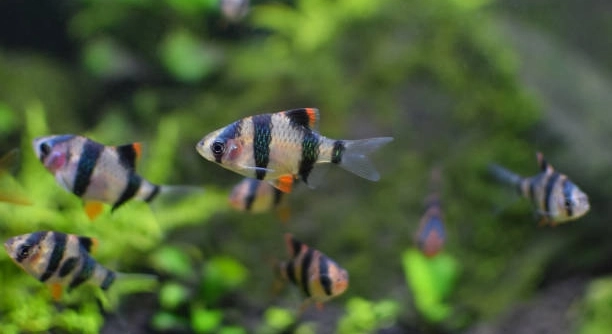
Are your tiger barbs frequently gasping at the water’s surface, making you concerned about their health and tank environment?
The primary reason tiger barbs gasp at the top is due to low oxygen levels in the aquarium. Poor water circulation, high temperatures, or overcrowding can reduce available oxygen, causing fish to seek air near the surface.
This article will explain what causes oxygen issues and how to create a healthier environment for your tiger barbs.
Why Oxygen Levels Drop in Your Tank
Tiger barbs need well-oxygenated water to stay active and healthy. If the oxygen drops, they react quickly by swimming to the top and gasping for air. Warm temperatures, too many fish, and poor filtration often lead to this. Warmer water holds less oxygen, and an overcrowded tank means more waste, which lowers water quality. Without proper filtration or surface agitation, oxygen can’t get mixed in effectively. Many tanks also lack live plants, which could help restore some balance. These small issues can build up, creating a stressful space for your fish and affecting their breathing.
Watch for heavy breathing, slow swimming, or loss of color. These are signs of stress caused by low oxygen.
To improve this, start by checking your tank’s temperature and keep it between 74–78°F. Add an air stone or increase surface movement with your filter outlet. Avoid overfeeding, as leftover food breaks down and uses up oxygen. You might also reduce the number of fish if your tank is crowded. Performing regular water changes helps keep things fresh and clean. If your tank has no plants, consider adding some hardy ones like Java fern or anubias. These changes can make a big difference in keeping oxygen levels stable and your tiger barbs feeling better.
How to Keep Tiger Barbs Healthy Long-Term
A few small changes can support better health and breathing for your tiger barbs.
Maintaining a healthy tank starts with staying consistent. Use a test kit regularly to monitor ammonia, nitrite, and nitrate levels. High toxins often point to oxygen issues. Clean your filter media gently every few weeks, but never wash it with tap water—this can remove helpful bacteria. Stick to a water change schedule, swapping out 25% of the water weekly. If your tank tends to run warm, consider using a fan or adjusting your lighting schedule to prevent overheating. Lighting can raise water temperature more than you might expect. Choose the right tank size, too. A group of tiger barbs needs space to swim freely without getting stressed. A 20-gallon tank or larger works best. Adding floating plants may also help shade the water and stabilize oxygen levels throughout the day. These steps can prevent future problems and keep your fish breathing easy.
Other Reasons Tiger Barbs Gasp at the Surface
Ammonia spikes can also cause tiger barbs to gasp for air. When waste builds up and the nitrogen cycle is unbalanced, toxins rise quickly. Gasping is often the first warning sign of poor water quality.
If your tank recently cycled or you added new fish, monitor water parameters closely. A sudden increase in bioload can overwhelm beneficial bacteria, leading to ammonia or nitrite issues. Tiger barbs are sensitive to even mild spikes. Use a liquid test kit to check levels. If ammonia or nitrite is above zero, perform a partial water change immediately and consider using a detoxifier. Adding bacteria supplements can also help rebalance the cycle. Avoid overfeeding and clean the substrate weekly to prevent future buildup. Keeping the water clean and stable will help your barbs breathe comfortably and reduce gasping behavior linked to invisible stressors in the tank.
Gasping might also result from irritation caused by chemicals in the water. Tap water conditioners that aren’t fully mixed or products with strong additives can harm sensitive fish. Even cleaning supplies used near the tank might release fumes that affect them. Always treat new water thoroughly before adding it to the tank. Let it sit for a few minutes after dosing dechlorinator. Never spray aerosols near the tank. Fish absorb everything from their environment, and small changes can trigger a big reaction. If the gasping appears suddenly after maintenance, retrace your steps to find the cause. Preventing exposure to harsh substances keeps your fish calm and helps maintain a safe aquatic environment.
Equipment Issues That Impact Breathing
Malfunctioning equipment can lead to lower oxygen without you realizing it. A clogged filter, broken air pump, or blocked intake can reduce surface movement and airflow, cutting off oxygen exchange.
Start by checking the filter flow—reduced movement often means the intake is blocked or the impeller needs cleaning. Rinse sponges in old tank water, not tap. If you use an air pump, make sure it’s producing strong bubbles. Weak airflow may be due to a clogged stone or cracked tubing. Replace these parts as needed. Position your filter outlet near the surface to boost agitation and oxygen exchange. Clean intakes regularly and ensure nothing is restricting water flow. If your tank is heavily stocked or warm, consider adding a second filter or powerhead to improve circulation. These simple checks can keep your equipment running efficiently and your tiger barbs breathing without strain.
How Feeding Habits Affect Breathing
Overfeeding can lower oxygen by increasing waste and clouding the water. Excess food decays, releasing ammonia and using up oxygen during the breakdown process. Stick to small, daily portions your tiger barbs can finish in under two minutes.
Feeding at the wrong times, especially right before lights out, may also cause problems. At night, plants stop producing oxygen and begin consuming it, which can make levels dip. This can stress your fish even more if digestion is also underway. Feed earlier in the day and remove any uneaten food after ten minutes.
Signs Your Fish Need Immediate Help
If your tiger barbs are gasping constantly, showing faded color, clamped fins, or sluggish swimming, act quickly. These signs often point to low oxygen or toxins in the water. A fast water change and added surface agitation can help stabilize the tank while you investigate the cause.
Simple Tools That Help Fast
Adding a reliable air stone or sponge filter can improve surface agitation and increase oxygen. These are easy to install and work well in most tanks.
FAQ
Why are my tiger barbs gasping at the surface even though my water looks clear?
Clear water doesn’t always mean healthy water. Oxygen can still be low if the tank lacks surface movement or if the temperature is too high. Also, invisible toxins like ammonia or nitrites may be present. Testing the water regularly is the only way to know for sure. Improving circulation and doing regular water changes help keep oxygen levels stable.
Can overcrowding cause tiger barbs to gasp at the top?
Yes, overcrowding is a common cause. Too many fish produce more waste, which lowers oxygen and water quality. It also causes stress, weakening their ability to cope with changes. Ensure your tank size fits the number of tiger barbs you keep and avoid adding too many fish at once.
How often should I test my aquarium water to prevent gasping?
Testing once a week is best for maintaining healthy conditions. Focus on oxygen, ammonia, nitrites, and nitrates. More frequent testing may be needed if you notice stress signs or after adding new fish. Keeping records helps spot trends before they become serious problems.
What temperature is ideal for tiger barbs to avoid breathing problems?
The ideal range is between 74°F and 78°F. Temperatures above this can reduce oxygen levels and increase fish metabolism, making them breathe harder. Using a reliable aquarium heater and thermometer keeps temperature steady.
Can plants help improve oxygen levels for my tiger barbs?
Yes, live plants contribute oxygen during the day through photosynthesis. They also absorb nitrates, improving water quality. Hardy plants like Java fern, Anubias, and Amazon swords work well. Avoid overstocking plants, as too many may reduce swimming space.
Is an air stone necessary in every tank with tiger barbs?
Not always, but it’s a helpful addition. An air stone boosts surface agitation and oxygen exchange, especially in tanks without strong filters. It also creates gentle water movement, which tiger barbs enjoy.
Can overfeeding lead to oxygen problems?
Definitely. Leftover food breaks down, producing ammonia and using oxygen. Feeding small amounts that fish can finish quickly prevents waste buildup. Removing uneaten food is important, too.
How do I know if my filter is working properly?
Check that water flow is steady and strong enough to move the surface. Clean filter media gently but regularly. Listen for unusual noises or weak suction, which may signal clogs or worn parts. A well-maintained filter keeps oxygen levels healthy.
Can sudden changes in the tank cause gasping?
Yes, sudden temperature shifts, water chemistry changes, or adding new fish can stress tiger barbs. Stress weakens their immune system and breathing. Always acclimate new fish slowly and maintain stable conditions.
What should I do if my fish continue gasping after improving oxygen?
If gasping persists, test for toxins like ammonia or nitrite. Consider possible diseases or parasites that affect gills. In such cases, quarantine affected fish and treat with proper medications. Consulting a vet or experienced aquarist can help identify the issue.
Are there any signs that show my tiger barbs are recovering from low oxygen stress?
Look for more active swimming, normal breathing rates, brighter color, and fin movement. Fish will also return to their usual spots instead of sticking near the surface. These signs show the environment is improving and your efforts are working.
Can adding more fish improve oxygen levels by increasing movement?
No, adding fish usually makes oxygen problems worse by increasing waste and oxygen demand. Instead, focus on improving water quality and equipment to increase oxygen safely.
Is it harmful if tiger barbs occasionally gasp at the surface?
Occasional gasping might not be serious if it’s brief and not frequent. It could be due to natural behavior or changes in water chemistry. However, regular or prolonged gasping needs attention, as it indicates stress or poor tank conditions.
What’s the best way to do a water change to help gasping fish?
Perform a partial water change of 20–30%, using water matched in temperature and treated to remove chlorine. Changing water too quickly or with cold water can shock fish. Use a siphon to clean substrate without disturbing fish too much.
Can poor lighting affect tiger barbs’ oxygen needs?
Yes, strong lighting can raise water temperature, lowering oxygen levels. Controlling light duration and intensity helps keep temperature steady. Use timers to regulate light cycles and avoid overheating.
How does the nitrogen cycle affect oxygen levels?
A balanced nitrogen cycle breaks down waste into less harmful substances. If this cycle is interrupted, toxic ammonia and nitrites build up, harming fish and reducing oxygen efficiency. Keeping a healthy bacterial colony in your filter is essential.
Are there specific signs of gill damage from low oxygen?
Fish with damaged gills may breathe faster, gasp frequently, or scrape against objects. Gill discoloration or excess mucus can also be signs. If you notice these symptoms, test water quality and improve oxygen quickly.
Is using chemicals to raise oxygen safe for tiger barbs?
Some products increase oxygen or detoxify water, but they should be used carefully and as a last resort. Overuse can cause imbalances. Focus on natural methods like better aeration and water changes first.
How long does it take for tiger barbs to recover after fixing oxygen issues?
Recovery time varies but usually takes a few days to a week if conditions improve steadily. Continue monitoring water and fish behavior to ensure lasting health.
Can tank decorations affect oxygen levels?
Large decorations or dense plants can reduce water flow and surface movement, lowering oxygen. Arrange decorations to allow good circulation and avoid overcrowding the tank space.
What is the role of surface agitation in oxygen exchange?
Surface agitation breaks the water’s surface tension, allowing oxygen to enter and carbon dioxide to leave. Without it, oxygen replenishment slows down, leading to gasping behavior. Proper filter outlet positioning or air stones help create this movement.
Should I isolate gasping tiger barbs?
Isolating sick fish can prevent spreading disease but won’t solve oxygen problems. Focus on improving tank conditions first. Use a quarantine tank for treatment if needed.
Can temperature swings during the day cause breathing problems?
Yes, temperature fluctuations can stress fish and lower oxygen. Keep the tank in a stable environment away from direct sunlight or drafts. Consistency is key for healthy breathing.
Are tiger barbs more sensitive to oxygen changes than other fish?
Tiger barbs are moderately sensitive. They show breathing problems sooner than some species, making them good indicators of water quality. Responding quickly to gasping helps protect all tank inhabitants.
Can water hardness or pH affect oxygen availability?
Indirectly, yes. Extreme pH or hardness can stress fish, affecting their gills and breathing. Keeping parameters stable within tiger barbs’ preferred range helps maintain normal oxygen use and overall health.
Final Thoughts
Tiger barbs gasping at the surface is usually a clear sign that something in their environment needs attention. Most often, this behavior is linked to low oxygen levels in the tank. Factors like warm water, overcrowding, poor filtration, and lack of surface movement reduce oxygen availability. It’s important to monitor your tank regularly and maintain good water quality to prevent these problems. Simple adjustments like adding an air stone, improving water circulation, and performing regular water changes can make a big difference. Paying close attention to temperature and feeding habits also helps keep oxygen levels stable and your fish healthy.
Keeping your tank balanced means more than just watching the oxygen. Water chemistry, such as ammonia, nitrite, and nitrate levels, plays a key role in your tiger barbs’ breathing and overall wellbeing. Even if the water looks clear, toxins can build up quickly and cause stress that leads to gasping. Using test kits weekly and staying consistent with cleaning and maintenance routines are the best ways to avoid surprises. If you notice any sudden changes in your fish’s behavior or health, testing the water should be your first step. This helps you act quickly before small problems become serious.
Creating a stable and healthy environment for your tiger barbs requires patience and care. Small changes, done regularly, can prevent most breathing issues and improve your fish’s quality of life. Keeping good equipment working well, feeding appropriately, and choosing the right tank size all contribute to a comfortable space for your fish. Remember, tiger barbs are active and social fish that need clean, oxygen-rich water to thrive. By staying attentive and proactive, you can enjoy watching your tiger barbs swim happily without the stress of gasping at the surface.

Hello,
If you enjoy the content that we create, please consider saying a "Thank You!" by leaving a tip.
Every little bit helps us continue crafting quality advice that supports the health, happiness, and well-being of pets around the world, for pets of all shapes, sizes, and species.
We really appreciate the kindness and support that you show us!