
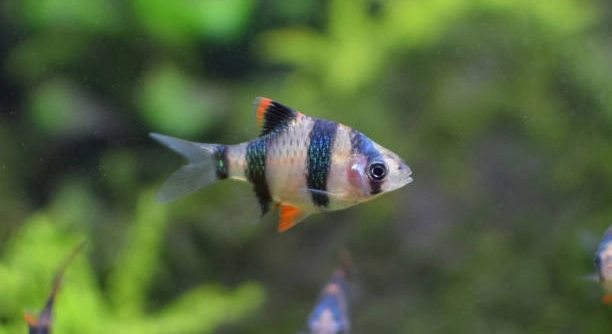
Tiger Barbs are lively freshwater fish often kept in home aquariums. They usually swim in groups and explore their environment actively. However, they tend to avoid the water’s top layer more than other fish in the tank.
Tiger Barbs often avoid the top layer because of their natural behavior and sensitivity to light and surface disturbances. Bright lighting, water movement, and potential predators make this zone less comfortable, leading them to prefer middle or lower tank levels.
Understanding why these fish avoid the top can help aquarium owners create a better environment for their well-being and natural habits.
Light Sensitivity and Surface Disturbances
Tiger Barbs are naturally sensitive to bright light and movement near the water’s surface. In an aquarium, the top layer often receives the most intense light from overhead bulbs or sunlight. This can make the area uncomfortable for them, as their eyes are not adapted to glare or sudden brightness. Additionally, the surface of the water tends to have more disturbances like ripples caused by filters or air pumps. These movements can stress the fish or signal potential danger, prompting them to stay lower where conditions are calmer. Their instinct is to avoid areas where they feel vulnerable, so they prefer spots with more shelter and stable water conditions.
When the surface is too bright or disturbed, Tiger Barbs instinctively move down. This behavior helps reduce stress and keeps them feeling secure in their environment.
Offering shaded areas or reducing surface agitation can encourage Tiger Barbs to explore higher tank levels more comfortably.
Natural Habitat and Behavior
Tiger Barbs come from rivers and streams in Southeast Asia, where they often stay under floating plants or near the riverbed. Their natural environment provides plenty of hiding spots and less exposure to bright, open water. In the wild, the top layer can mean exposure to birds or larger predators, so staying lower is safer. This instinct remains even in home tanks. They feel protected among plants, rocks, or other decorations placed mid to low in the aquarium. Their schooling nature means they move together, often settling in areas where they feel safest as a group. Understanding this helps aquarium keepers design a habitat that meets their natural needs and encourages healthy, stress-free behavior. Providing cover and avoiding excessive lighting mimics their natural habitat well.
Tank Environment and Setup
Tank size and decoration affect where Tiger Barbs feel comfortable. Smaller tanks with little cover push them toward the bottom.
A well-planted tank with hiding spots near the middle and lower areas gives Tiger Barbs a safe space to swim freely. Open, brightly lit top layers can make them nervous, especially if there is little shade. Proper water flow is important too; strong currents near the surface can deter them from exploring higher zones. A balanced environment with calm water and plants encourages natural behavior and reduces stress.
Adjusting tank elements like plants, rocks, and gentle filtration can help create a comfortable home. Using floating plants or dimming lights also softens the top layer, making it less intimidating. This setup supports their natural preference for mid-level swimming and safe hiding spots.
Social Behavior and Schooling
Tiger Barbs are schooling fish that rely on their group for security.
When kept in groups, they feel safer and more confident moving around the tank. Alone, they become more cautious and tend to hide more often, especially near the top. Their schooling instinct encourages them to stick together in areas with enough cover. This behavior helps reduce stress and aggression within the group. Without a proper group, they may appear shy or withdrawn, avoiding exposed tank areas. Maintaining a healthy school promotes activity and allows them to explore the tank more fully while feeling secure.
Feeding Habits and Food Availability
Tiger Barbs usually feed in the middle and lower levels of the tank.
Food tends to sink quickly, so they spend more time searching below the surface where their meals are found.
Water Temperature and Quality
Stable water temperature and clean conditions are important for Tiger Barbs’ comfort. They prefer temperatures between 74°F and 79°F. Sudden changes or poor water quality can cause stress, making them less likely to swim near the top, where conditions may feel harsher or more exposed. Maintaining consistent water parameters helps them feel secure and active throughout the tank.
Tank Mates Influence
Aggressive or larger tank mates can make Tiger Barbs avoid the top layer.
They stay lower to avoid confrontations and feel safer away from dominant fish.
Why do Tiger Barbs avoid the top layer of the tank?
Tiger Barbs often avoid the top layer because it is usually brighter and has more surface movement. This can make them feel exposed or stressed. Their natural instinct is to stay where they feel safest, often among plants or decorations in the middle and lower parts of the tank. The surface can also attract predators in the wild, so they avoid it out of caution.
Can adjusting the lighting help Tiger Barbs explore the top layer?
Yes, reducing the intensity of overhead lighting or adding floating plants can soften the light at the surface. This creates shaded areas that make Tiger Barbs feel more comfortable. Dimmer light reduces stress and encourages them to swim higher without feeling vulnerable. It’s a simple way to improve their environment and help them feel more secure.
Does the size of the tank affect their swimming levels?
Tank size plays a big role in where Tiger Barbs spend most of their time. Smaller tanks with little hiding space push them toward the bottom or middle levels for safety. Larger tanks with plenty of plants and decorations allow them to explore more freely, including the top layer, as they feel protected.
How does water flow influence their behavior?
Strong currents or surface agitation can make Tiger Barbs avoid the top layer. They prefer calm waters and areas with gentle flow where they don’t have to fight strong currents. Too much water movement near the surface feels uncomfortable, so they stay lower where the water is calmer.
Are Tiger Barbs social fish?
Yes, Tiger Barbs are schooling fish and feel more secure when kept in groups. Being with their own kind encourages them to be active and explore more of the tank. When alone or in small numbers, they become shy and hide more often, especially near exposed areas like the top layer.
What role do tank mates play in their behavior?
The presence of aggressive or larger fish can cause Tiger Barbs to avoid the top layer. They seek safety in lower areas to stay out of reach. Peaceful tank mates help reduce stress and encourage Tiger Barbs to swim more openly, including closer to the surface.
Does feeding affect where they swim?
Tiger Barbs usually feed in the middle and lower sections of the tank because food tends to sink quickly. They spend more time searching for food away from the surface. Providing food that floats can sometimes encourage them to swim higher, but their natural preference keeps them mostly below the top layer.
How important is water quality for their comfort?
Good water quality is essential for Tiger Barbs’ health and comfort. Poor water conditions can cause stress, making them avoid exposed areas like the top of the tank. Maintaining stable temperature and clean water helps them feel secure and active throughout the aquarium.
Can stress make Tiger Barbs hide more?
Stress from overcrowding, poor water conditions, or aggressive tank mates can make Tiger Barbs hide more and avoid open spaces. They seek shelter where they feel safe, often below the surface. Reducing stress factors improves their confidence to swim in all tank levels.
What tank setup encourages Tiger Barbs to use all areas?
A tank with plenty of plants, decorations, and moderate lighting helps Tiger Barbs feel safe to explore. Floating plants provide shade at the top, while rocks and other covers create hiding spots. Gentle water flow and a peaceful community also encourage them to swim throughout the tank, including near the surface.
Tiger Barbs are active and interesting fish to keep, but their behavior can sometimes be puzzling. One common observation is that they tend to avoid the top layer of the aquarium. This is mostly because the top area is brighter, more exposed, and often has more movement from water currents. These factors make Tiger Barbs feel less safe there. Their natural instincts lead them to stay in areas where they feel protected, such as the middle or lower parts of the tank where plants, rocks, and decorations provide shelter. Understanding this behavior helps aquarium owners create an environment that meets the needs of these fish and keeps them comfortable.
Creating a comfortable home for Tiger Barbs involves paying attention to lighting, tank setup, and the company they keep. Bright lights directly overhead can be overwhelming, so using floating plants or dimmer lighting can reduce stress and encourage them to explore more of the tank. Tank decorations that offer hiding spots near the middle and bottom levels help the fish feel secure. Water flow also matters—strong currents near the surface can push them down to calmer areas. Additionally, Tiger Barbs are social fish, so keeping them in groups and choosing peaceful tank mates can improve their confidence and encourage natural swimming behavior throughout the aquarium.
Taking care of Tiger Barbs means balancing these environmental factors to keep the fish healthy and stress-free. Clean, stable water conditions and a proper temperature range support their well-being and activity. Feeding habits also influence where they swim since they usually look for food below the surface. By providing a well-thought-out tank setup that mimics their natural habitat, owners can help Tiger Barbs feel safe and comfortable in all parts of their tank. Knowing why these fish avoid the top layer can lead to better care and a more enjoyable experience watching them thrive.

Hello,
If you enjoy the content that we create, please consider saying a "Thank You!" by leaving a tip.
Every little bit helps us continue crafting quality advice that supports the health, happiness, and well-being of pets around the world, for pets of all shapes, sizes, and species.
We really appreciate the kindness and support that you show us!