
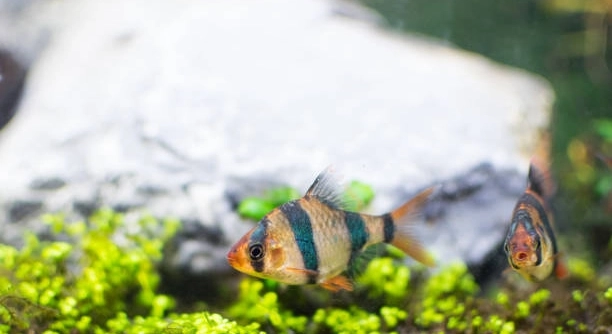
Do you ever find yourself watching your tiger barbs swim and wondering why they avoid the stronger parts of the current?
Tiger barbs tend to avoid strong currents because their small, compact bodies are better suited for moderate water flow. Strong currents can tire them quickly, reduce their ability to feed properly, and increase stress levels.
Understanding how water movement affects your tiger barbs can help you create a more balanced and comfortable environment in their tank.
How Tank Currents Affect Tiger Barbs
Tiger barbs are active fish, but they still need the right conditions to stay healthy. In the wild, they live in slow to moderate-moving streams. When placed in tanks with strong filtration or powerheads, they may struggle to swim comfortably. These strong currents push them around, making them work harder than they need to. Over time, this can lead to stress, fatigue, and even weakened immune systems. A tank with steady but gentle movement gives them room to play, rest, and feed without difficulty. If your tiger barbs are sticking to certain corners of the tank or avoiding open water, strong current could be the reason. Watch their behavior to decide if a change in water flow might help.
Even though they are energetic, tiger barbs prefer an environment where they can control their swimming pace and movement. Constant battling against a current can disrupt that.
Choosing the right filter is important. Look for one that offers adjustable flow settings so you can fine-tune the current. Sponge filters or internal filters with a gentle output often work well. Another option is to place decorations or plants in areas where the current is strongest. These will break the flow and create calmer zones where your tiger barbs can rest. Proper placement of equipment and tank decor not only makes your tank look better but also supports a better swimming experience for the fish. Always observe your fish after changes to ensure they seem more at ease and active. Small tweaks in current strength can make a big difference in their comfort.
Signs Your Tiger Barbs Are Uncomfortable
If your tiger barbs are always hiding or swimming in short bursts, they may be having trouble with the water flow in your tank.
Too much current can limit their ability to explore and feed properly. They might avoid the middle of the tank, stick close to plants or decor, or look like they’re being pushed around. Over time, this constant movement can wear them out and lead to health problems. These signs can be easy to miss, especially if you’re used to their fast swimming. But a sudden drop in activity or fish that always stay in one part of the tank often signals a problem. It’s a good idea to adjust your filter’s flow or redirect the current with plants or hardscape. After making small changes, watch for signs of improvement—more balanced swimming, better appetite, and fish using more areas of the tank.
Choosing the Right Tank Setup
A strong current is often caused by a filter that’s too powerful for the tank size. Smaller tanks need less flow to keep the water clean. Adjustable filters give you more control.
Placing your filter near decorations can help soften the flow. Use plants, driftwood, or rocks to slow down water movement. These breaks in the current allow tiger barbs to rest and swim more freely. If your tank has too many open areas, water will move without resistance, creating strong streams. Adding background decorations also helps block direct flow. Try to create gentle movement across the entire tank, not just one strong stream. Even a small change in filter placement can make a big difference. Make sure your tiger barbs use the full tank space comfortably.
If your filter doesn’t allow adjustments, you can try using a sponge over the output. This helps reduce the pressure and spreads the flow more evenly. Another option is to redirect the flow toward a wall or corner, which stops it from cutting across the tank directly. When placing plants or décor, position them where the current is strongest. This setup creates slower areas for your fish to rest. Always watch how your tiger barbs react. If they start swimming more evenly and explore more of the tank, your setup is likely working better. A balanced current keeps their energy levels steady.
Other Factors That Influence Their Behavior
Lighting, tank mates, and feeding times can also affect how tiger barbs behave. Even if your current is perfect, other stressors may cause them to avoid open areas or stay in one spot.
Some fish don’t mix well with tiger barbs. If your tank has shy or aggressive species, your barbs might feel uncomfortable. This could lead them to avoid certain parts of the tank, not because of the current, but due to social stress. Overcrowding also plays a role. When space feels tight, tiger barbs may become territorial or anxious. Try to keep a good balance in your stocking levels and give them open swimming space. Feed them small amounts multiple times a day instead of one large meal. This gives them energy throughout the day and keeps them active. A calm, clean, and well-spaced tank makes a big difference in their behavior and overall health.
Testing and Adjusting Flow
To check if the current is too strong, drop a small flake of food in different parts of the tank. Watch how it moves. If it rushes quickly across the tank, the flow may need adjusting.
Another simple way is to watch your tiger barbs after a water change. If they struggle more than usual or cling to one area, it could be a sign that the flow is too strong or uneven.
What to Do if the Current Is Too Strong
Start by lowering the filter output if your model allows it. If not, use a sponge or piece of filter media over the outflow. This helps spread the water more gently. Move tall plants or rocks into areas where the flow is strongest to create breaks. You can also turn the filter slightly so the flow hits a wall instead of flowing straight across the tank. If none of that works, consider switching to a different filter with adjustable settings. Always make changes slowly and observe your fish for signs of improvement. Better swimming and more even use of space are both good signs that your adjustments helped.
Final Notes on Monitoring Behavior
Tiger barbs are usually very active. If they suddenly become sluggish or start hiding more than usual, it’s time to look at your setup again.
FAQ
Can tiger barbs live in tanks with strong filters?
Tiger barbs can tolerate moderate current, but strong filters often make swimming difficult for them. Constantly battling against strong flow may cause stress and fatigue. If your filter is powerful, use a sponge to soften the outflow or redirect the flow using decorations. It’s important to watch their behavior after making any changes. If they seem more relaxed, use more of the tank, and eat better, the adjustment is likely helping. Strong filters are better suited for fish that come from fast-moving rivers. Tiger barbs are more comfortable in tanks with gentle, consistent flow.
How do I know if my tiger barbs are stressed by the current?
If your tiger barbs stay in one corner, hide behind plants, or dart around only in short bursts, they may be stressed. Another sign is when they refuse to explore open areas, even when there’s food. Fish that are constantly swimming against the flow and look tired are also likely stressed. You might also notice color fading or fin clamping. These behaviors can develop slowly, so it’s good to watch for small changes. If your fish become more relaxed after you adjust the flow, you’ve probably found the cause.
Can I still have good filtration with a lower current?
Yes. It’s possible to maintain clean water without a strong current. Filters with adjustable flow rates or those that use sponge components can provide effective filtration without stressing your fish. You can also use more than one smaller filter rather than a single strong one. This helps balance the flow across the tank while still cleaning the water. Regular water changes and routine maintenance also support water quality. Good filtration doesn’t always mean powerful flow—it’s more about how efficiently the water is cycled and filtered.
Are there tank mates that make current issues worse for tiger barbs?
Yes. Some fish stir up the water more than others, either by fast swimming or pushing through every space in the tank. This can make your tiger barbs more nervous or cause them to compete for calmer spots. Aggressive fish or very active species can lead to stress and make it harder for tiger barbs to rest. It’s best to avoid tank mates that are too dominant or too peaceful. Mid-level swimmers that enjoy similar flow levels work better. Try to keep a mix of fish that are active but not overly territorial.
What’s the best way to break up a strong current in a tank?
Use tall plants, driftwood, and rocks. These help break up the flow and create calm zones where tiger barbs can rest. You can also angle the filter output toward the tank wall to reduce the direct push of water. Using a sponge or pre-filter on the outflow will help, too. Even something simple like stacking smooth stones near the filter can make a difference. Spreading out decorations helps scatter the current evenly across the tank, instead of letting it concentrate in one area. Watch how your fish respond to the changes.
How often should I check if the current is still okay?
You should check after water changes, filter cleaning, or adding new tank items. Even slight changes can shift how water moves. Observe your tiger barbs weekly—especially if they start acting differently. If they seem more tired, eat less, or hide more often, something might be off. Regular checks make sure their environment stays balanced. Current may not change daily, but tank adjustments can cause it to shift without you noticing. Consistent monitoring helps keep your fish calm and active.
Can current affect how tiger barbs eat?
Yes. A strong current can push food too quickly across the tank. This makes it hard for tiger barbs to catch and eat what they need. Slower water movement lets food stay in place longer, giving them time to feed properly. If food is always floating away or getting stuck in one corner, they may not be getting enough. Try feeding in quieter zones of the tank or placing food near decorations that block the flow. Ensuring they can eat without rushing helps with both health and behavior.
Final Thoughts
Tiger barbs are active fish that enjoy swimming in groups, but that doesn’t mean they enjoy strong currents. In fact, too much water movement can cause them stress and make daily activities, like feeding and exploring, more difficult. Their natural habitat in the wild includes gentle streams and calm areas where they can move freely without fighting the flow. When a tank has strong current, it can push them into hiding or limit their movement. Over time, this affects their health and changes how they behave. It’s important to watch how your fish act each day to understand if something in their environment is making them uncomfortable.
Creating a good setup doesn’t have to be complicated. It’s mostly about balance. The filter should keep the water clean but not create forceful flow across the entire tank. Placing decorations like rocks, driftwood, and tall plants can help slow the current. Filters with adjustable flow are a great option, especially for tanks with smaller or calmer fish. You don’t need to remove strong filters completely—you can just soften the output using a sponge or redirect the water to hit a tank wall. These small changes can lead to big improvements in how your tiger barbs act and feel. When the tank is set up right, the fish use more space, show brighter colors, and interact more with each other.
It’s also helpful to remember that strong currents are just one piece of the puzzle. Tank mates, water quality, lighting, and feeding all play a role in how your fish behave. But starting with the flow of the tank is a good step when you notice changes in behavior. You want your tiger barbs to feel comfortable enough to swim around freely, not forced to hide or struggle. Once they have the right environment, they become more social, playful, and relaxed. As you get to know your fish better, it becomes easier to spot when something isn’t right. Paying attention to the small details can make a big difference in their well-being. A calm, steady current helps support their health and creates a space where they can thrive.

Hello,
If you enjoy the content that we create, please consider saying a "Thank You!" by leaving a tip.
Every little bit helps us continue crafting quality advice that supports the health, happiness, and well-being of pets around the world, for pets of all shapes, sizes, and species.
We really appreciate the kindness and support that you show us!