
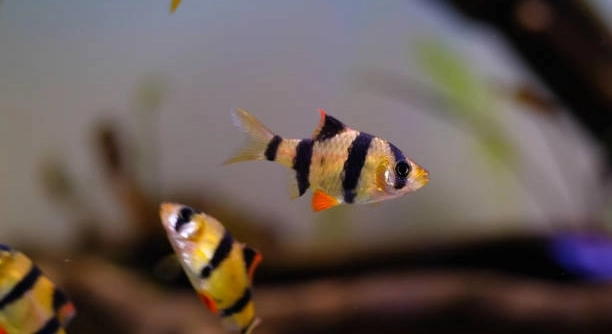
Tiger barbs are small, active freshwater fish popular in home aquariums. They have specific behaviors and preferences that influence where they like to swim in their environment. Understanding these habits helps explain their avoidance of open water.
Tiger barbs tend to avoid open water because of their natural instincts to seek shelter and safety near plants or structures. Open areas expose them to predators and make them vulnerable, so they prefer staying close to cover for protection.
Recognizing these natural tendencies can improve how you set up your aquarium and care for your tiger barbs. This insight helps create a safer and more comfortable environment for them to thrive.
Natural Instincts and Safety
Tiger barbs have evolved to stay close to plants, rocks, and other hiding places. In the wild, these spots offer shelter from larger predators. Open water feels risky to them because it leaves them exposed and vulnerable. This behavior is common among small schooling fish that rely on cover for protection. They tend to swim in groups near the tank’s edges or among decorations. When they feel safe, tiger barbs show more vibrant colors and active behavior. If their tank lacks hiding spots, they may become stressed or hide constantly. Providing plenty of plants and decorations mimics their natural habitat and encourages them to explore more confidently. Keeping this in mind helps improve their well-being and reduces aggressive behavior.
Tiger barbs use their environment to feel secure and reduce stress. The more cover available, the more comfortable they are.
Creating a tank with plenty of hiding spaces supports tiger barbs’ natural instincts. This setup helps them feel safe and less anxious, improving their overall health and activity levels. A well-planted tank also encourages natural schooling behavior, making the fish more social and less aggressive. Observing tiger barbs near their hiding spots shows they feel protected. If you notice them constantly avoiding open areas, increasing cover might be necessary. Proper tank design is key to their comfort and happiness.
Impact of Tank Setup on Behavior
A tank without enough cover makes tiger barbs uncomfortable. They become shy and less active.
Tank size, decoration, and plant density all influence tiger barb behavior. Smaller tanks with sparse decorations leave little room for hiding, causing the fish to stay near the bottom or corners. Conversely, a larger tank with plenty of plants and structures provides varied swimming areas and security. Some hobbyists use floating plants to create shaded zones that tiger barbs prefer. Hardscape elements like rocks and driftwood add complexity and encourage natural exploration. When tanks are set up to mimic their native habitats, tiger barbs display more natural and vibrant behavior. Paying attention to tank design ensures they have enough cover to feel safe while still allowing open spaces for swimming. Balancing these factors reduces stress and helps tiger barbs thrive in captivity.
Schooling Behavior and Open Water
Tiger barbs naturally swim in groups to feel safer. They rely on their school for protection against threats.
When swimming together, tiger barbs are less likely to venture into open water alone. The presence of other fish creates a sense of security. Without a group, they feel exposed and more vulnerable to predators. This instinctive behavior encourages them to stick close to plants or tank decorations where they can hide quickly if needed. In tanks where schooling is disrupted or there are too few fish, tiger barbs may appear nervous and stay near the bottom or edges, avoiding the center.
Maintaining a proper group size supports their natural behavior and helps reduce stress. A healthy school promotes more active swimming, less aggression, and more interaction with their environment.
Lighting and Water Conditions
Bright lighting can make tiger barbs avoid open water areas. They prefer dimmer, shaded spots for comfort.
Strong light makes the open parts of the tank uncomfortable for tiger barbs because it increases their visibility to predators. They often retreat to shaded areas created by plants or decorations where the light is softer. Adjusting light intensity to a moderate level helps them feel more secure. Water quality also plays a role; stable conditions encourage confident swimming. Fluctuating temperatures or poor water parameters cause stress, pushing tiger barbs to hide more. Providing gentle lighting and maintaining clean, stable water creates a more inviting environment, encouraging them to explore open areas safely. This balance supports their well-being and natural activity.
Territorial Behavior
Tiger barbs can be territorial, especially in smaller tanks. This limits their movement into open areas.
Territorial disputes often happen near favored hiding spots or feeding areas. This behavior can cause them to avoid open water to steer clear of conflicts.
Influence of Tank Mates
The choice of tank mates impacts how comfortable tiger barbs feel swimming in open water. Peaceful, non-aggressive fish reduce stress and encourage exploration. Aggressive or larger fish increase their need for cover, pushing tiger barbs closer to plants and decorations where they feel safer.
Feeding Habits and Open Water
Tiger barbs usually feed near the tank bottom or plants. Their preference for sheltered feeding areas keeps them away from open water, reinforcing their avoidance of exposed spaces.
FAQ
Why do tiger barbs avoid open water?
Tiger barbs avoid open water because it makes them feel vulnerable. In the wild, open water exposes them to predators with little chance to hide. This natural instinct remains in home aquariums. They prefer swimming near plants, decorations, or the tank’s edges where they can quickly take cover if threatened.
How many tiger barbs should be kept together?
Keeping at least six tiger barbs together is recommended. They are schooling fish, and a group that size helps reduce aggression and makes them feel safer. When in a proper school, they are more confident and less likely to hide or avoid open spaces.
Can lighting affect tiger barbs’ behavior?
Yes, lighting greatly affects their comfort level. Too bright lighting can stress tiger barbs and cause them to avoid well-lit open areas. Providing moderate or dim lighting and shaded spots with plants helps them feel secure and encourages them to swim more freely.
What tank size is best for tiger barbs?
A tank of at least 20 gallons is ideal for a small school of tiger barbs. Larger tanks allow more space for swimming and placing plants or decorations, which offer hiding spots. This setup reduces stress and aggression, giving them a safer environment to explore.
Do tiger barbs need hiding spots?
Yes, hiding spots are essential. Tiger barbs use plants, rocks, and other decorations to hide and feel safe. Without enough cover, they become stressed, which can lead to health problems or aggressive behavior. Providing plenty of hiding spaces mimics their natural habitat.
How does tank setup influence tiger barb behavior?
Tank setup influences their comfort and activity. A well-planted tank with varied decorations offers security and encourages natural behaviors like schooling and exploring. Sparse tanks with little cover cause them to stay near the bottom or edges and avoid open water.
Are tiger barbs aggressive toward other fish?
Tiger barbs can be aggressive, especially if kept in too small groups or crowded tanks. Proper schooling and enough space help reduce this behavior. Choosing peaceful tank mates also lowers stress and aggression in tiger barbs.
Can stress cause tiger barbs to hide more?
Stress causes tiger barbs to hide more and avoid open water. Poor water quality, inadequate tank size, or lack of cover increase stress. Keeping stable water conditions and providing hiding spots help minimize stress and promote healthier behavior.
What is the best diet for tiger barbs?
Tiger barbs thrive on a varied diet of high-quality flakes, pellets, and occasional live or frozen foods like brine shrimp or bloodworms. Feeding near plants or the tank bottom matches their natural feeding habits and encourages them to stay near sheltered areas.
How often should tiger barb tanks be cleaned?
Regular cleaning, about 20-30% water changes weekly, is important. Clean water helps reduce stress and illness. Maintaining filters and removing debris keeps the tank environment healthy and encourages tiger barbs to be more active and less fearful of open water.
Do tiger barbs interact with their environment?
Yes, tiger barbs interact by swimming through plants and exploring decorations. They use these structures to hide or rest. This interaction is natural and important for their mental and physical health. Providing a stimulating environment encourages this behavior.
Can tank mates cause tiger barbs to avoid open water?
Aggressive or larger tank mates can scare tiger barbs into hiding more often. Choosing calm, similarly sized fish reduces stress and encourages tiger barbs to explore open areas more comfortably. Proper tank mate selection is key for a peaceful aquarium.
What signs show tiger barbs are stressed?
Signs of stress include hiding frequently, loss of color, erratic swimming, or aggression. Stress often comes from poor water quality, lack of hiding places, or inappropriate tank mates. Addressing these issues quickly helps tiger barbs regain normal behavior.
Is it normal for tiger barbs to be shy?
Yes, especially if new to a tank or if the environment feels unsafe. Shyness usually decreases as they adjust and if their tank provides enough cover. Patience and proper tank setup support them in becoming more confident swimmers.
How does water temperature affect tiger barbs?
Tiger barbs prefer temperatures between 74°F and 79°F. Temperatures outside this range can stress them, causing hiding and reduced activity. Keeping water stable within their preferred range helps maintain their natural behavior and willingness to swim openly.
Tiger barbs have natural behaviors that influence where they feel comfortable swimming. Their instinct to stay near plants and decorations helps protect them from potential threats. This is why they often avoid open water areas, which can feel unsafe and expose them to danger. Providing a tank environment that reflects their natural habitat, with plenty of hiding spots and places to explore, supports these instincts. When their environment meets their needs, tiger barbs tend to be more active, show brighter colors, and behave more naturally. Understanding these behaviors helps fish owners create a space where tiger barbs can thrive.
A well-designed tank with the right lighting, adequate size, and appropriate tank mates is important for the comfort of tiger barbs. Bright lights or aggressive tank mates can increase stress and make the fish avoid open water even more. Keeping water conditions stable and clean also plays a role in their behavior. Stress from poor water quality or overcrowding often causes tiger barbs to hide more and swim less. Making sure their tank environment is calm and secure reduces stress and encourages them to swim freely. This leads to healthier fish and a more enjoyable aquarium experience overall.
It is also important to keep tiger barbs in groups, as their schooling behavior gives them confidence and protection. A proper group size, usually six or more, helps reduce aggression and encourages them to swim together openly. When tiger barbs feel safe within their school and environment, they are less likely to stay hidden or avoid certain parts of the tank. Taking the time to understand these factors and adjusting the tank accordingly will benefit both the fish and their caretaker. Providing a comfortable and safe home allows tiger barbs to display their natural behaviors, making them more lively and visually appealing.

Hello,
If you enjoy the content that we create, please consider saying a "Thank You!" by leaving a tip.
Every little bit helps us continue crafting quality advice that supports the health, happiness, and well-being of pets around the world, for pets of all shapes, sizes, and species.
We really appreciate the kindness and support that you show us!