
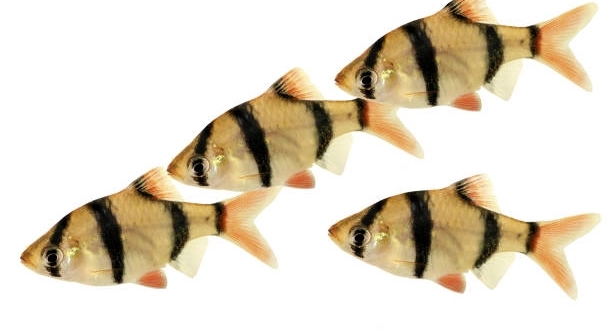
Are your tiger barbs ignoring the new plants you recently added to their tank, leaving you wondering what went wrong with your setup?
Tiger barbs might avoid new plants due to unfamiliar scents, chemical residues, or abrupt changes in their environment. Their sensitivity to habitat changes often makes them cautious around newly introduced items, including live or artificial aquatic plants.
Understanding their natural behaviors can help you create a more welcoming space that encourages interaction and comfort within the tank.
Understanding Tiger Barb Behavior
Tiger barbs are active fish with bold personalities, but they can also be sensitive to changes in their environment. When new plants are added, they may react by keeping their distance. This behavior isn’t unusual—it’s often a response to unfamiliar textures, smells, or sudden shifts in their surroundings. New additions can also disrupt the group dynamics tiger barbs rely on for comfort. Since they are schooling fish, anything unfamiliar may cause stress or cautious behavior. Sometimes, plants may release chemicals or alter the water chemistry, which affects how tiger barbs perceive their space. Even if the plants are safe, it takes time for the fish to adjust. Their instinct is to avoid what they don’t recognize. This doesn’t mean the plants are harmful, but simply that tiger barbs need time to explore them at their own pace without added pressure or sudden disturbances.
Give them time to explore their tank slowly and naturally.
Observing your tiger barbs’ behavior after adding plants helps you understand how they adapt. Start by adding one plant at a time to avoid overwhelming them. Small, gradual changes allow them to feel safe and curious without disrupting their comfort. Keep water parameters steady to avoid added stress.
Environmental and Tank Factors
Sudden changes in lighting, water flow, or temperature can make your fish more hesitant around new additions.
In some tanks, environmental factors influence how tiger barbs react to new plants. Strong lighting can create harsh shadows, making plants appear threatening. Similarly, high water flow may cause plants to move too much, startling the fish. If the water temperature isn’t ideal, tiger barbs may already feel stressed, making them less willing to explore. It’s also important to check for any residue from fertilizers or cleaning agents that might linger on the plants. These subtle changes can affect your fish’s perception of safety. A stable tank with consistent parameters—gentle lighting, calm flow, and the right temperature—will help tiger barbs feel secure enough to investigate their surroundings. Make sure new plants are properly rinsed before adding them. Take time to observe how your fish react and adjust the environment slowly. Creating a calm and balanced space allows your tiger barbs to feel more confident and engaged.
Signs Your Tiger Barbs Are Uncomfortable
If your tiger barbs are constantly swimming near the surface, hiding more than usual, or avoiding specific areas, they may be stressed. Changes in appetite and dull coloration can also suggest they’re not comfortable with new elements in their space.
New plants can sometimes cause subtle disruptions in your tiger barbs’ behavior. If they were once active but now stay in one area, especially far from the plants, that’s a sign they’re unsure. You may also notice them darting quickly when passing by the plants or avoiding eye-level contact with them. Hiding in corners, behind filters, or under decorations more often than usual means they’re trying to find a safe space. Stress behaviors can also show through fin clamping or chasing within the group. Monitoring how often they interact with their surroundings can help you tell if they are adapting well or still uncertain.
Watch for small changes, not just major ones. Tiger barbs communicate stress in ways that aren’t always loud or obvious. Even minor signs like skipping feeding time or twitchy movements around certain areas matter. When they stay near the tank walls or dart when light hits the plants, those are signals of discomfort. Quiet habits often tell the clearest story about stress.
Helping Them Adjust to New Plants
Start by placing just one plant in the least busy part of the tank. Choose a low-light, soft-leaved variety to reduce the chance of startling them. Avoid strong scents or fertilizers that might affect the water. Let them explore it at their own pace.
If your fish remain hesitant, remove the plant and try again later. You can also rearrange decor to shift focus or use a distraction, like feeding, during plant placement. Avoid crowding the tank with too many changes at once—give your tiger barbs time to adjust gradually. Use gentle lighting to avoid casting harsh shadows. Ensure the water remains consistent in pH, temperature, and flow. Wash all new plants thoroughly before placing them in the tank to remove any residues. Watch your barbs’ behavior each day. Over time, as the plants become a stable part of their environment, your tiger barbs will likely begin to approach them more confidently. Patience and consistency make a noticeable difference.
Choosing the Right Plants
Stick with soft-leaved plants like java fern, anubias, or hornwort. These options are gentle, easy to care for, and less likely to alarm tiger barbs. Avoid sharp or spiky plants, which can create tension or discomfort in their swimming paths.
Floating plants offer added comfort by diffusing light and creating natural shade. This makes the tank feel safer and less exposed. Plants like duckweed or water lettuce can help reduce stress while also giving your tiger barbs time to adjust to the changes in their environment without feeling overwhelmed.
When to Remove the Plant
If your tiger barbs show ongoing stress for more than a week—refusing food, hiding constantly, or clamping their fins—it may be time to remove the plant. Unexplained aggression within the group or hovering near the surface can also indicate that the addition isn’t working. Removing the plant doesn’t mean failure. It simply gives your tiger barbs space to return to their usual behavior. You can try again later with a different placement or plant type. Always clean the tank area afterward, especially if the plant caused changes in water quality. Watch how your fish respond to the change before making any new additions.
Monitor Behavior Daily
Consistent observation is key. Spend a few minutes each day watching how your tiger barbs interact with their environment. Subtle changes can signal discomfort before bigger issues appear.
FAQ
Why are my tiger barbs only avoiding some plants and not others?
Tiger barbs may respond differently to plants based on their smell, texture, or how much they move in the water. Some plants have a stronger scent or chemical residue that makes them seem unfamiliar. Others may have stiff or sharp leaves that your fish don’t like swimming near. Movement can also play a role—plants that sway a lot in water currents might startle them, while others stay still and feel less threatening. It’s not unusual for tiger barbs to warm up to one plant but avoid another, even if both are safe and commonly used in aquariums.
Is it normal for tiger barbs to hide more after adding new plants?
Yes, it’s normal. Hiding is a common behavior when tiger barbs are stressed or unsure. New plants change the look and flow of the tank, which can make your fish feel like their space is unfamiliar. Even if everything else stays the same, your barbs might take a few days to adjust. They may hide behind decorations, in corners, or under driftwood. This doesn’t mean they’re sick—it’s simply their way of coping with change. If hiding continues beyond a week, review your lighting, water quality, and plant placement to see if small adjustments help.
How long should I wait before expecting them to interact with the plants?
It depends on the fish, but most tiger barbs start getting comfortable within a few days to a week. Some adjust quicker, especially if they’ve had changes before and handled them well. If the plant is too large, has a strong scent, or moves a lot, they may take longer. Give them space and time to explore it naturally. Avoid tapping the glass or trying to move the fish toward the plant. Instead, create a calm environment and let them approach it on their own terms. Slowly building their comfort leads to lasting confidence.
Do tiger barbs avoid artificial plants more than live ones?
Not always. Some tiger barbs avoid artificial plants because of their stiff texture, bright colors, or sharp edges. Others may treat them like any other part of the tank. Live plants tend to feel more natural—they move gently with the water, have soft textures, and help stabilize the tank’s environment. That said, poorly placed or scented live plants can still trigger avoidance. It’s less about whether the plant is real or fake and more about how it looks, feels, and fits into the tank layout. Rinsing all new plants before adding them helps reduce negative reactions.
Could water conditions make my tiger barbs avoid plants?
Yes, water quality can have a big impact. If a plant changes the water chemistry—like raising ammonia or releasing fertilizer residue—your tiger barbs might keep their distance. Test the water after adding new plants, especially if you notice a sudden change in behavior. Look for shifts in pH, ammonia, nitrite, or nitrate levels. Poor water quality makes fish more stressed and more likely to avoid unfamiliar objects. Keeping stable, clean water helps your tiger barbs feel secure and ready to explore. If needed, perform small water changes and use carbon filters to remove any unwanted substances.
Do tiger barbs ever damage or uproot plants?
They can, especially if they’re bored or feeling territorial. Tiger barbs are known for their energy and curiosity. They might nip at soft leaves or dig near plant bases while exploring or playing. It’s not always aggression—sometimes it’s just part of their natural behavior. Anchoring plants securely and using substrate that holds roots well can help prevent uprooting. Also, providing plenty of swim space and hiding spots can reduce the chances of them picking at your plants. If damage continues, try using hardier plants like anubias or java fern, which can handle light interaction.
What should I do if tiger barbs ignore plants completely?
If they ignore the plants but aren’t showing signs of stress, there’s usually no reason to worry. They may simply not be interested at the moment. Keep monitoring their general health and behavior. Over time, they might begin to interact with the plants more—especially as they grow used to their presence. You can also try changing the plant’s placement or adding different textures to make it more appealing. Just remember, some fish are naturally more curious than others. As long as your tiger barbs are active, healthy, and eating well, ignoring the plants is perfectly fine.
Final Thoughts
Tiger barbs are active, curious fish, but they can also be sensitive to changes in their environment. Adding new plants may seem like a small change, but to your fish, it can feel like a big shift. Their first reaction might be to avoid the new addition, especially if it looks or feels different from what they’re used to. This response is not unusual and doesn’t mean anything is wrong. Fish use avoidance as a way to stay safe until they feel sure about their surroundings. Giving them time and space to explore at their own pace can make a big difference.
Some plants might not suit your tiger barbs due to their texture, movement, or even scent. Others may fit in perfectly with little effort. It’s important to try different types and pay attention to how your fish respond. Even if a plant seems like a good choice, it may still cause stress for certain fish. That’s why observing your tiger barbs daily is so helpful. Small changes in behavior—like hiding more often, swimming in new patterns, or staying away from one part of the tank—can tell you how they feel. If something doesn’t seem right, adjusting the tank setup or removing the plant may help.
Creating a calm, balanced environment takes time, especially when new items are added. Whether your tiger barbs warm up to a plant quickly or take several days, what matters most is keeping the tank consistent and stress-free. Stable water, soft lighting, and gentle water flow can help them feel more secure. If a plant doesn’t work out, it’s okay to try again later with a different one. The goal is to find what works for your fish, not to force something that doesn’t fit. Over time, your tiger barbs can grow more comfortable with plants in their space, especially if changes are made slowly and thoughtfully. Patience, care, and close observation are key.

Hello,
If you enjoy the content that we create, please consider saying a "Thank You!" by leaving a tip.
Every little bit helps us continue crafting quality advice that supports the health, happiness, and well-being of pets around the world, for pets of all shapes, sizes, and species.
We really appreciate the kindness and support that you show us!