
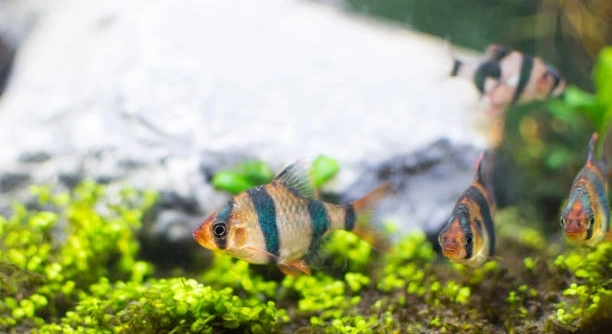
Tiger barbs are popular aquarium fish known for their vibrant colors and active behavior. Many fishkeepers notice that these fish sometimes avoid certain lighting conditions in their tanks. Understanding this behavior can help improve their comfort and wellbeing.
Tiger barbs tend to avoid specific lights because intense or harsh lighting can cause stress and disrupt their natural behavior. Their sensitivity to light levels influences their movement, encouraging them to seek shaded or dimmer areas to feel secure and reduce discomfort.
Exploring how different lights affect tiger barbs can help create a better environment for these lively fish and enhance their overall health.
Light Sensitivity in Tiger Barbs
Tiger barbs have keen senses that help them respond quickly to their environment. Light is one factor that strongly affects their behavior. Bright or flickering lights can make them feel exposed or stressed. In the wild, they tend to live in shaded areas with moderate lighting, which offers protection from predators. When aquarium lights are too intense, tiger barbs may swim away or hide behind plants and decorations. This response is a natural way to reduce stress and feel safer. Adjusting the light to a softer or more natural level helps the fish feel more at ease. The right lighting not only reduces stress but also enhances their colors, making them more vibrant and healthy. Observing how tiger barbs react to different lighting setups can guide better tank management and create a more comfortable environment for them to thrive.
Lower light levels often encourage tiger barbs to be more active and social within the tank.
Maintaining balanced lighting is essential for tiger barbs’ wellbeing. Lights that mimic natural daylight cycles support their daily rhythms, including feeding and rest periods. Sudden changes or overly bright lighting can disrupt these rhythms, leading to hiding or sluggishness. Using dimmable or adjustable lights lets caretakers tailor the environment. Incorporating shaded areas with plants or structures offers refuges where tiger barbs can retreat when feeling overwhelmed. Consistent lighting routines help reduce stress, supporting their immune systems and overall health. It also encourages natural behaviors, like schooling and exploring. Paying attention to light intensity and duration prevents common problems, such as faded colors or stress-related illnesses. Ultimately, a thoughtful approach to lighting fosters a more stable, peaceful aquarium where tiger barbs can show their best traits and enjoy a better quality of life.
Choosing the Right Aquarium Lighting
Selecting the right lighting means considering intensity, color temperature, and duration.
The ideal light is bright enough to showcase the tank’s colors but not so strong that it causes discomfort. Cooler light tones around 6500K often work well, simulating natural daylight without being harsh. Timers help maintain a consistent light cycle, typically 8 to 10 hours daily. Avoid lights that flicker or create sudden flashes, as these can stress tiger barbs. Adding floating plants or adjusting fixture height can soften light exposure. Each tank may require slight adjustments based on size, plant coverage, and fish behavior. Testing different setups while observing tiger barb reactions helps find the best balance. Prioritizing comfort over brightness supports healthier fish and a more enjoyable viewing experience.
Impact of Light on Tiger Barbs’ Behavior
Bright lights can cause tiger barbs to become stressed or shy, often hiding more than usual. This reduces their natural activity and interaction with other fish.
Stress from strong lighting may lead tiger barbs to swim away from open areas and cluster in shaded spots. They rely on these darker zones for safety and comfort. Excessive light can interfere with their feeding habits, making them less eager to eat. Over time, this stress might weaken their immune system, leaving them more vulnerable to illness. Adjusting the light intensity or providing more cover helps restore their normal behavior. Paying attention to these signs ensures a happier and healthier aquarium environment.
By creating a lighting environment that mimics their natural habitat, tiger barbs regain confidence and energy. Proper lighting supports their social behavior, encouraging schooling and interaction. This also helps maintain vibrant coloration, reflecting their good health. Observing how they respond after lighting adjustments can guide ongoing care. Providing shaded areas and avoiding sudden light changes reduce stress and promote stability. Overall, managing lighting carefully contributes to a balanced, active aquarium where tiger barbs thrive.
Effects of Light Spectrum on Tiger Barbs
Certain light colors influence how tiger barbs react and behave in their tank.
Red and blue light spectra can appear unnatural and may cause discomfort or confusion for tiger barbs. In contrast, white or daylight-spectrum lights provide a more natural appearance, supporting their wellbeing. Colored lighting can sometimes make fish colors look brighter but might also disrupt their internal rhythms. Some fish may become less active or avoid areas under harsh colored lights. It’s important to balance aesthetic appeal with the fish’s comfort. Testing different light colors and watching tiger barb reactions helps find what works best. Opting for neutral, natural lighting promotes healthier fish and a more peaceful aquarium environment.
How Light Affects Feeding Patterns
Tiger barbs may eat less when exposed to overly bright or harsh lighting. This can affect their growth and energy levels.
Dimming the lights or providing shaded areas can encourage more natural feeding behavior. Balanced lighting helps maintain their appetite and overall health.
Natural Habitat and Lighting
In the wild, tiger barbs live in shaded waters with plenty of plant cover. This environment protects them from predators and strong sunlight, allowing them to feel secure. Replicating this balance in the aquarium supports their natural instincts and reduces stress.
Adjusting Light Duration
Keeping aquarium lights on for too long can disturb tiger barbs’ daily rhythms. Limiting light exposure to 8–10 hours daily mimics natural cycles, promoting better health and activity.
Signs of Light Stress
Watch for hiding, faded colors, or reduced activity as indicators that lighting may be too intense for your tiger barbs.
FAQ
Why do tiger barbs avoid bright lights?
Tiger barbs are sensitive to intense lighting, which can cause stress and discomfort. Bright lights make them feel exposed, triggering a natural instinct to seek shaded or darker areas. This behavior helps reduce stress and makes them feel safer in their environment.
Can changing the light improve tiger barbs’ health?
Yes, adjusting the light to softer, more natural levels supports their wellbeing. Proper lighting reduces stress, encourages normal activity, and helps maintain vibrant colors. It also promotes regular feeding and social behaviors, which are important for their overall health.
What type of light spectrum is best for tiger barbs?
A daylight or white spectrum light, usually around 6500K, is ideal. It closely mimics natural sunlight without causing discomfort. Avoid using overly strong colored lights, such as red or blue, as these can confuse or stress the fish.
How long should aquarium lights be on for tiger barbs?
Keeping lights on for about 8 to 10 hours daily works well. This duration simulates a natural day-night cycle, helping regulate their internal rhythms. Longer light periods can cause stress and disrupt feeding and resting habits.
Do tiger barbs prefer shaded areas in the tank?
Yes, shaded zones are important because they provide hiding spots and comfort. Tiger barbs naturally seek these areas when lighting feels too strong. Including plants or decorations that create shade can make the tank more inviting and reduce stress.
Will dimming the lights make tiger barbs less active?
Dimming lights usually encourages more natural activity. When lighting is too bright, tiger barbs may hide or become sluggish. Softer light levels help them feel secure, leading to more swimming, schooling, and interaction with other fish.
Can sudden changes in lighting affect tiger barbs?
Sudden shifts in brightness or color can startle and stress tiger barbs. Gradual adjustments in lighting are better to avoid disruption. Consistency helps maintain their comfort and prevents behavioral changes caused by stress.
Is it necessary to have a timer for aquarium lights?
Using a timer is highly recommended. It ensures a consistent light schedule, which helps tiger barbs maintain their daily rhythms. Regular lighting periods reduce stress and support feeding, resting, and social behaviors.
What are signs that lighting is stressing tiger barbs?
Common signs include hiding more than usual, faded colors, and reduced activity or appetite. If tiger barbs cluster in shaded areas and avoid open spaces, it might indicate discomfort with the current lighting.
Can lighting impact tiger barbs’ coloration?
Yes, proper lighting enhances their natural colors, making them appear brighter and healthier. Poor lighting or stress can cause colors to dull or fade over time, signaling that adjustments are needed for better care.
How do I test if my lighting is suitable for tiger barbs?
Observe their behavior closely after changing lighting. Active swimming, normal feeding, and vibrant colors indicate a good setup. If the fish hide, seem stressed, or lose color, consider lowering light intensity or adding shaded areas.
Are certain plants better for creating shaded areas?
Floating plants and broad-leaf plants work well to provide shade. These plants help diffuse light and create natural hiding spots. Adding them improves tank comfort and mimics the tiger barbs’ natural environment.
Is LED lighting good for tiger barbs?
LED lights can be good if they offer adjustable intensity and color temperature. They are energy-efficient and allow fine control over lighting conditions. Avoid LED setups that are too bright or flicker, as this can stress the fish.
Can lighting issues cause health problems in tiger barbs?
Yes, prolonged stress from improper lighting can weaken immune systems, making tiger barbs prone to disease. Ensuring comfortable light conditions supports their health and longevity.
Should I change lighting if I add more fish or plants?
Adjusting lighting may be necessary as tank conditions change. More plants can provide natural shade, possibly allowing for brighter lights. Adding fish may require softer lighting to reduce stress for all inhabitants.
How often should I check and adjust lighting?
Regularly monitor your tiger barbs’ behavior and tank conditions. Minor adjustments might be needed as seasons change or as fish grow. Consistent observation ensures lighting remains suitable over time.
Does lighting affect breeding in tiger barbs?
Proper lighting helps regulate natural cycles important for breeding. Stable light periods and suitable intensity support reproductive behaviors. Sudden changes or overly bright lights can hinder breeding success.
Can I use colored lights to enhance the tank’s look?
Colored lights can enhance visual appeal but should be used carefully. Avoid strong red or blue lights that may stress tiger barbs. Soft, natural tones are better for fish comfort while still offering aesthetic benefits.
What should I do if my tiger barbs keep hiding despite light adjustments?
If hiding continues, check other tank conditions like water quality, temperature, and tank mates. Lighting is only one factor; overall environment comfort is key. Consult aquarium care resources for a complete health check.
Final thoughts on managing lighting for tiger barbs focus on creating a balanced environment that supports their natural behaviors and wellbeing. Lighting plays a significant role in how these fish feel and act in the aquarium. Too much brightness or harsh lighting can cause stress and lead to hiding, reduced activity, and even health problems over time. It is important to find the right level of light that feels comfortable for tiger barbs, mimicking the shaded and gentle light conditions they experience in the wild. Paying close attention to their behavior under different lighting conditions helps determine what works best for them.
A well-adjusted lighting setup not only improves tiger barbs’ comfort but also highlights their vibrant colors and encourages natural activity. Using a daylight-spectrum light with moderate intensity and controlling the duration of light exposure helps maintain their daily rhythms. Providing shaded areas in the tank with plants or decorations gives tiger barbs safe places to retreat when lighting feels too strong. Consistency is key, so setting a regular light schedule with a timer can reduce sudden changes that might cause stress. By managing light carefully, fishkeepers create an environment where tiger barbs can thrive and display their lively, social nature.
Overall, thoughtful lighting choices benefit both the fish and the aquarium keeper. Observing how tiger barbs respond to light adjustments guides better care decisions and helps maintain a healthy tank environment. Small changes in lighting can lead to big improvements in fish behavior and health. It is important to remember that lighting is just one part of good fishkeeping, alongside proper water quality, diet, and tank setup. When all these factors come together, tiger barbs will be more comfortable, active, and colorful, making the aquarium experience more rewarding.

Hello,
If you enjoy the content that we create, please consider saying a "Thank You!" by leaving a tip.
Every little bit helps us continue crafting quality advice that supports the health, happiness, and well-being of pets around the world, for pets of all shapes, sizes, and species.
We really appreciate the kindness and support that you show us!