
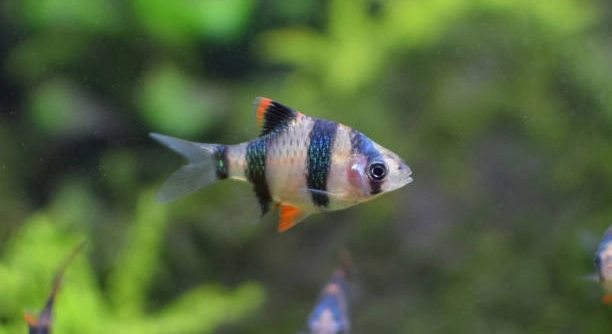
Do your tiger barbs act aggressive when you introduce new fish into their tank? You’re not the only one noticing this.
Tiger barbs often attack newcomers due to territorial behavior and hierarchical dominance. These fish are naturally active and semi-aggressive, and the introduction of unfamiliar fish may trigger protective or competitive instincts, especially in smaller or crowded aquariums.
This behavior can affect tank harmony, but with a few adjustments, it’s possible to reduce aggression and promote peaceful cohabitation.
Understanding Tiger Barb Behavior
Tiger barbs are active fish with bold personalities. They often swim in groups and display natural pecking-order behavior. When new fish are added to the tank, this social balance is disrupted. The barbs may chase, nip, or corner the newcomers to re-establish dominance. This is normal for them but can be stressful for other fish. Their semi-aggressive nature becomes more pronounced in smaller tanks or when their group is too small. A school of at least six helps spread out the aggression. Without enough space or numbers, they become more hostile toward outsiders.
Tiger barbs feel more secure in groups. Keeping them in schools of six or more often helps reduce their bullying behavior.
Aggression can also come from environmental stress. Overcrowding, poor water quality, or a lack of hiding spots can make the barbs feel threatened. This causes them to lash out. When the tank setup doesn’t meet their needs, they act out against new arrivals. Rearranging tank decor before adding new fish can break territorial claims. Adding the newcomers at night may help too. Watching for signs of stress in all your fish is key. Making small changes to their environment can often prevent trouble before it starts.
Creating a Peaceful Tank
A peaceful tank starts with planning. Matching tiger barbs with the right fish reduces stress for everyone.
Stick with fast, active fish that can hold their own. Avoid slow-moving or long-finned species like bettas or angelfish. These are easy targets. Barbs do best in larger tanks with plenty of swimming space. Plants, rocks, and decorations give everyone places to retreat. When setting up the tank, use areas of cover to break lines of sight and reduce tension. Keeping water conditions steady is important. Test the water regularly and clean it as needed. A healthy tank helps all fish stay calm. Quarantine new fish before adding them. This keeps disease out and lets you introduce them gradually. Adding more tiger barbs can even help spread out their energy and distract them from the newcomers. With the right approach, aggression doesn’t have to take over your tank.
Managing Aggression During Introduction
Introducing new fish can be tricky with tiger barbs. Add new fish after rearranging the tank layout to confuse existing territories. This helps lower aggression and gives all fish a fresh start in the space.
Use a transparent breeder box or tank divider during the first few hours or days. This allows the tiger barbs to see the new fish without being able to attack them. It gives both sides time to adjust. Once the barbs lose interest or show calm behavior, you can release the new fish into the tank. Feed them at the same time to create a distraction. Avoid introducing a single fish—groups of two or more tend to blend in better and avoid being singled out. Monitor the tank closely for any persistent aggression after introduction.
If aggressive behavior continues, consider isolating the most dominant barb temporarily. This gives the weaker fish time to adjust and claim space. Another option is to increase the group size of the tiger barbs to spread their energy. Add extra plants or decorations to break sight lines and provide safe zones. Reduce lighting slightly to calm the environment. These small adjustments can make a noticeable difference and help create a more peaceful atmosphere in your tank.
Best Tank Conditions for Tiger Barbs
Tiger barbs thrive in well-maintained tanks with stable conditions. A minimum tank size of 20 gallons is recommended for a small group.
Keep the water temperature between 74°F and 79°F, with a slightly acidic to neutral pH (around 6.5–7.0). Good filtration is essential, as tiger barbs are messy eaters and active swimmers. A strong current mimics their natural habitat and encourages healthy activity. Use live or artificial plants to create barriers and reduce stress. Tank mates should be added carefully—opt for species that can match their energy without being overly aggressive. Regular partial water changes (20–30% weekly) help maintain water quality. Avoid overfeeding, which can lead to waste buildup and health problems. Clean the substrate and check for uneaten food often. Healthy, stress-free tiger barbs are less likely to attack others.
Signs Your Tiger Barbs Are Stressed
Stressed tiger barbs often show faster breathing, erratic swimming, or loss of color. Some may hide more than usual or stop eating. These signs usually mean something in the tank is bothering them.
Aggression, like constant chasing or nipping, can also be a stress signal. Watch for torn fins or isolation.
Choosing Compatible Tank Mates
Look for tank mates that are quick, social, and able to hold their own. Zebra danios, cherry barbs, and rasboras are good choices. Avoid long-finned, slow swimmers like guppies and angelfish. These tend to become easy targets. Matching their energy helps keep things peaceful. Always observe after adding new fish.
When to Rehome a Fish
If a fish is constantly targeted despite changes, it may need to be rehomed. This can prevent injuries and restore peace.
FAQ
Why do tiger barbs chase each other even when no new fish are added?
Tiger barbs naturally establish a social hierarchy within their group. Chasing and nipping among themselves is part of their normal behavior and helps define rank. As long as it doesn’t lead to injury or stress, it’s usually nothing to worry about. Keeping them in a proper group size—at least six—helps keep the aggression spread out. If there are only two or three, one may become a target. A larger group helps them stay active and distracted without causing harm.
Can tiger barbs live with angelfish or guppies?
Tiger barbs are not ideal tank mates for slow-moving or long-finned fish like angelfish or guppies. Their curious and nippy behavior makes them likely to chase and nip at flowing fins, causing stress and injury. Even in larger tanks, this risk remains high. It’s better to choose tank mates that are fast, short-finned, and able to swim actively. Peaceful species with similar energy levels—such as rainbowfish or larger tetras—are more suitable companions. Always monitor interactions when trying new combinations.
How can I tell if my tiger barb is the dominant one?
The dominant tiger barb will often be the one initiating most of the chasing, controlling space, and leading the group during feeding time. It may also appear slightly larger or more colorful due to reduced stress and higher confidence. While this fish sets the tone, it can sometimes become overly aggressive. Watching their behavior helps you spot imbalances in the group. If one barb constantly picks on others, adding more to the group or rearranging the tank may help reset the dynamics.
Is it okay to keep tiger barbs in a tank without other fish?
Yes, tiger barbs can be kept in a species-only tank. In fact, this is often a good way to prevent aggression toward other types of fish. When housed together in a proper group with enough space, they interact mostly with each other. This setup gives you a more predictable tank environment. A minimum of six barbs is still recommended to avoid one or two being picked on. You’ll also see more natural schooling behavior in a group of their own kind.
What’s the best way to feed tiger barbs in a community tank?
Feed tiger barbs with floating or slow-sinking food that allows everyone to get a fair share. Spread the food across the surface rather than dumping it in one spot. This keeps dominant barbs from controlling all the food. If other fish are slower eaters, feed at both ends of the tank to divide attention. Offering a variety of flakes, pellets, and occasional frozen or live treats keeps them active and healthy. Feeding at consistent times also helps reduce aggression around mealtime.
Do tiger barbs sleep?
Yes, tiger barbs do sleep, though it doesn’t look like typical sleeping. They become less active, hover in place, and may retreat to corners or behind plants during the night. They rest when the tank is dark and quiet. Keeping a regular light schedule supports healthy sleep patterns. Avoid turning lights on and off abruptly. Instead, use a timer or dim the lights gradually to avoid startling them. If they appear motionless but upright at night, they’re likely just resting.
Can tiger barbs be trained or conditioned?
Tiger barbs can learn to associate feeding times and routines. While not easily trained like goldfish or bettas, they can be conditioned to expect food at specific times and may swim to the front of the tank when you approach. They respond well to consistency. Repeating feeding cues, like tapping the tank lightly or opening the lid, can help them form simple habits. While they won’t perform tricks, they are observant and quick to adapt to routines and surroundings.
Final Thoughts
Tiger barbs are beautiful and active fish, but their bold nature can sometimes cause problems in a shared tank. Understanding their behavior is important when planning a peaceful aquarium. These fish are naturally curious and full of energy, which often leads to chasing or nipping—especially when new tank mates are introduced. This behavior is not always a sign of aggression. Often, it’s just part of how they interact with one another. However, when a tank is too small or the group size is too small, these habits can become more intense. Taking steps to meet their needs makes a big difference.
Tank conditions matter a lot for tiger barbs. A group of at least six is ideal, as it helps spread out their social energy and prevents one fish from being bullied. Giving them enough space, keeping the water clean, and adding plenty of plants and hiding spots can make them feel more secure. When they are comfortable in their environment, they are less likely to act out. Watching how they interact with other fish gives you helpful signs. If something seems off—like constant chasing, hiding, or torn fins—it’s worth checking the tank setup and making adjustments.
Tiger barbs are a great choice for fishkeepers who enjoy active, playful fish. With a bit of care, their natural energy can bring life to any tank without causing problems. The key is to choose the right tank mates, maintain a stable environment, and watch their behavior closely. When things are balanced, tiger barbs can live peacefully alongside others and show off their best traits. Like any fish, they do best when their needs are understood and respected. A little planning goes a long way toward keeping your tank healthy and calm for all its inhabitants.

Hello,
If you enjoy the content that we create, please consider saying a "Thank You!" by leaving a tip.
Every little bit helps us continue crafting quality advice that supports the health, happiness, and well-being of pets around the world, for pets of all shapes, sizes, and species.
We really appreciate the kindness and support that you show us!