
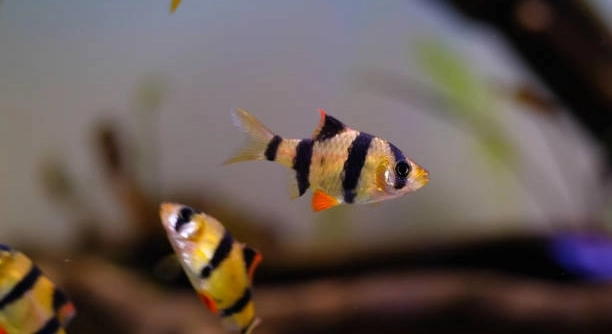
Tiger barbs are popular freshwater fish known for their lively behavior and striking colors. Sometimes, these fish suddenly become skittish, making it hard for owners to understand what caused the change. This sudden nervousness can be surprising for anyone who cares for them.
Tiger barbs may act skittish suddenly due to changes in their environment, such as water quality fluctuations, sudden noises, overcrowding, or stress from tank mates. These factors impact their natural behavior and cause heightened alertness or fear responses.
Recognizing these causes can help you maintain a calm and healthy environment for your fish to thrive in. The following details explain common triggers and ways to support your tiger barbs’ well-being.
Common Environmental Changes That Cause Skittish Behavior
Changes in water quality are a major factor making tiger barbs act nervous. If ammonia, nitrite, or nitrate levels rise unexpectedly, fish quickly become stressed. Sudden temperature shifts can also unsettle them. Even slight drops or spikes in temperature disrupt their comfort and cause erratic swimming or hiding. Loud noises near the tank, such as banging or clanging, startle these fish as well. Overcrowding is another issue; when the tank has too many fish, territorial disputes arise, pushing tiger barbs into defensive or skittish behavior. New tank mates with aggressive tendencies also raise stress levels. It’s important to monitor the tank closely after any changes and provide hiding spaces where the fish can feel safe. Keeping a stable environment helps prevent these sudden mood shifts.
Maintaining stable water conditions and minimizing noise can greatly reduce stress for your tiger barbs.
Providing consistent care makes a significant difference in their behavior and overall health. Establishing a regular cleaning schedule, using water testing kits, and avoiding sudden temperature changes all contribute to a peaceful tank environment. Make sure the tank isn’t overcrowded and choose compatible species to share the space. Introducing new fish slowly gives everyone time to adjust. Creating a calm, familiar environment lets tiger barbs feel secure and display their natural behavior. If skittishness persists, review water parameters and tank setup carefully. Sometimes even small changes can make a big impact on fish comfort. Observing their behavior closely allows you to react quickly before stress causes illness. These simple actions can keep your tiger barbs happy and active for a long time.
Stress From Tank Mates and Handling
Aggressive or overly active tank mates often cause tiger barbs to become skittish.
Tiger barbs are semi-aggressive but can be intimidated by more dominant species or too many fast swimmers. When stressed by tank mates, they may dart quickly, hide frequently, or show color fading. Handling the tank roughly during cleaning or maintenance can also scare them, especially if movements are sudden or if water conditions change abruptly. Reducing disturbance by moving slowly and gently during tank care helps minimize fear. Introducing new fish gradually and choosing peaceful companions improves overall harmony. Knowing your fish’s social preferences and observing their reactions can guide you in adjusting the tank community for a calmer environment. Balancing activity levels and compatibility is key to reducing stress and sudden skittishness in tiger barbs.
Tank Setup and Its Impact on Behavior
A poorly arranged tank can stress tiger barbs, leading to sudden skittishness. Lack of hiding spots and uneven lighting affect their comfort.
Providing adequate plants, rocks, or decorations gives tiger barbs places to hide and feel secure. Open spaces without cover leave them exposed and vulnerable to stress. Lighting that is too bright or flickering can also disturb their natural rhythm. Ensuring the tank mimics a natural habitat helps reduce fear and encourages normal activity. Balancing open swimming areas with hiding spots supports their need for both exploration and security.
Regularly rearranging the tank or adding new decorations without allowing adjustment time can cause discomfort. Tiger barbs thrive when the environment is stable and familiar. Sudden changes in the layout may trigger nervous behavior. Observe how your fish react to modifications and adjust slowly. A calm, predictable environment helps keep their behavior steady and reduces unexpected skittishness.
Feeding Habits and Skittish Behavior
Feeding schedules that are irregular or insufficient often increase stress in tiger barbs.
When fish are hungry or not fed at consistent times, they may become more anxious or jumpy. Overfeeding, on the other hand, can pollute the water, causing discomfort that leads to nervous behavior. Providing a balanced diet in moderate portions at regular intervals supports their health and reduces stress. Feeding should be done calmly to avoid startling the fish.
Choosing appropriate food is important. Tiger barbs eat flakes, pellets, and occasional live or frozen foods. Variety prevents nutritional deficiencies and keeps them engaged. Watching their feeding response can also reveal if stress or illness affects their appetite. Adjust feeding habits as needed to promote calmness and well-being. Consistent care in feeding helps minimize skittish behavior linked to hunger or water quality problems.
Water Changes and Maintenance
Infrequent water changes cause toxin buildup that stresses tiger barbs. Consistent maintenance is essential to keep water clean and safe.
Neglecting tank upkeep allows harmful chemicals to rise, which affects fish behavior and health. Regular partial water changes remove waste and maintain balanced water conditions, helping reduce skittishness.
Illness and Skittish Behavior
Illness can make tiger barbs act nervous or restless. Parasites, infections, or poor water quality often cause sudden changes in activity and appearance. Early detection and treatment are important to prevent further stress or harm.
Recognizing Signs of Stress
Look for rapid gill movement, clamped fins, or hiding as signs of stress in tiger barbs. These behaviors signal discomfort or fear and should prompt immediate care to improve their environment.
Why do tiger barbs suddenly start darting around the tank?
Tiger barbs often dart suddenly due to stress or fear triggered by environmental changes. This behavior may occur when they detect sudden movements, loud noises, or changes in water parameters. It is their natural response to perceived threats, helping them escape potential danger quickly. Maintaining a calm environment reduces this skittish behavior.
Can water quality issues cause sudden skittishness in tiger barbs?
Yes, poor water quality is one of the most common reasons for sudden nervous behavior. High levels of ammonia, nitrites, or nitrates irritate fish, causing discomfort and stress. Inconsistent pH or temperature fluctuations also affect their stability. Regular water testing and partial changes are essential to maintain safe conditions and calm behavior.
How often should I change the water to keep tiger barbs calm?
It is recommended to change 20-30% of the water weekly. This frequency helps remove toxins and keeps water chemistry balanced. Over-cleaning can also stress fish by removing beneficial bacteria, so consistency and moderation are key. Using a water conditioner when refilling helps protect your fish.
Do tank decorations affect tiger barb behavior?
Yes, tank decorations play a significant role in their comfort. Tiger barbs need hiding places like plants, rocks, or caves to feel secure. Without enough cover, they feel exposed and become more skittish. Proper decoration provides safe spots to retreat and reduces stress.
Are certain tank mates more likely to cause skittish behavior?
Aggressive or very active fish can cause stress for tiger barbs. Larger, territorial species may intimidate them, while fast swimmers create constant movement that unsettles the barbs. Choosing peaceful, compatible tank mates helps reduce nervousness and keeps the community balanced.
Can feeding habits influence sudden skittishness?
Yes, irregular feeding or overfeeding affects both water quality and fish behavior. Hunger can make tiger barbs more anxious, while leftover food pollutes water, causing discomfort. Feeding small, balanced portions consistently supports their health and reduces stress-induced skittishness.
What role does tank lighting play in tiger barbs’ behavior?
Lighting that is too bright or inconsistent can startle tiger barbs. Sudden flickers or harsh lights disrupt their natural rhythms and cause nervous behavior. Using soft, steady lighting and providing shaded areas mimics their natural environment, helping them stay calm.
How can I tell if my tiger barbs are stressed or sick?
Signs include erratic swimming, hiding, loss of color, clamped fins, and rapid gill movement. Stress often leads to lowered immunity, making illness more likely. Monitoring these behaviors early allows for quicker action to improve water quality or treat disease.
Is it normal for tiger barbs to be skittish during tank cleaning?
Some nervousness during cleaning is normal because of disturbances and water changes. Moving slowly, avoiding sudden splashes, and limiting strong smells helps reduce their fear. Performing maintenance gently minimizes stress and keeps fish behavior stable.
Can sudden temperature changes cause skittish behavior?
Yes, tiger barbs are sensitive to temperature fluctuations. Even a few degrees change can shock them and increase nervous activity. Using a reliable heater and thermometer ensures stable temperature, which is essential for their well-being and calm behavior.
Should I isolate a skittish tiger barb?
Isolating fish is generally not recommended unless illness is involved. Tiger barbs are social and feel safer in groups. Instead, focus on improving tank conditions and reducing stressors. Providing plenty of hiding places and a stable environment helps all fish feel secure.
How long does it take for tiger barbs to calm down after a stressful event?
Calming time varies but typically takes several hours to a few days if conditions improve. Consistent water quality, minimal disturbance, and a safe environment speed recovery. Watching their behavior closely helps determine when they return to normal activity levels.
Can overstocking the tank cause sudden skittishness?
Yes, overcrowding increases competition and stress. Tiger barbs may become territorial or flee constantly, resulting in nervous behavior. Maintaining proper stocking levels based on tank size is essential for peaceful coexistence and reducing skittishness.
Are there specific signs to watch for that indicate aggression from other fish?
Signs include chasing, nipping fins, or constant harassment. Aggression causes stress and fear in tiger barbs, leading to skittish movements. Observing interactions helps identify problematic tank mates that may need to be separated or replaced.
What is the best way to introduce new fish without causing stress?
Acclimate new fish slowly by floating their bag in the tank water, gradually mixing tank water into the bag over 30-60 minutes. Introducing new fish carefully reduces sudden changes and aggression. Rearranging decorations before adding new fish can disrupt territories, so avoid major changes at this time.
Can stress from poor diet cause skittish behavior?
Yes, an unbalanced or insufficient diet weakens fish, increasing stress and nervousness. Feeding a varied diet with quality flakes, pellets, and occasional live foods supports their health and reduces stress-related behavior. Nutritional care is important for maintaining calmness and vitality.
Tiger barbs can sometimes act skittish suddenly, which is often a sign that something in their environment is not quite right. Changes in water quality, temperature, or tank setup can all affect their comfort and behavior. It is important to keep their tank stable by regularly checking water parameters and maintaining a clean habitat. Providing hiding spots and calm surroundings helps them feel safe. When the environment is stable and free of sudden disturbances, tiger barbs are less likely to show nervous or jumpy behavior.
Stress from tank mates or overcrowding can also cause sudden skittishness. Tiger barbs are social fish but need compatible companions and enough space to swim without feeling threatened. Aggressive or overly active fish may frighten them, causing rapid movements or hiding. Careful selection of tank mates and maintaining proper stocking levels can reduce stress. When adding new fish, introducing them slowly and keeping the tank arrangement consistent helps prevent unnecessary anxiety for all the inhabitants.
Feeding routines and illness also impact tiger barb behavior. Inconsistent feeding or overfeeding can affect water quality and cause discomfort. A balanced diet given in appropriate amounts supports their health and reduces nervousness. Illness or parasites may cause sudden changes in behavior as well. Watching for signs like clamped fins, color changes, or hiding is important for early detection and treatment. Overall, maintaining a stable, clean, and comfortable environment is key to keeping tiger barbs calm and healthy over time.

Hello,
If you enjoy the content that we create, please consider saying a "Thank You!" by leaving a tip.
Every little bit helps us continue crafting quality advice that supports the health, happiness, and well-being of pets around the world, for pets of all shapes, sizes, and species.
We really appreciate the kindness and support that you show us!