
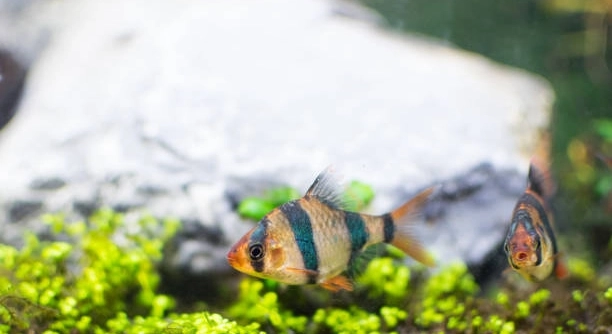
Tiger barbs are lively fish known for their active nature in home aquariums. Sometimes, these fish display unexpected behaviors that can puzzle their owners. One common curiosity is why they sometimes bite at air bubbles in the tank.
Tiger barbs may bite air bubbles due to their territorial instincts and natural curiosity. These fish often investigate new objects in their environment, perceiving bubbles as foreign or potential threats. This behavior can be a form of interaction or mild aggression towards unfamiliar stimuli.
Understanding this behavior helps maintain a peaceful aquarium environment and ensures the wellbeing of your tiger barbs over time.
Why Tiger Barbs React to Air Bubbles
Tiger barbs are naturally curious and territorial fish. When air bubbles appear in their tank, these bubbles can seem unusual or intrusive. The fish may bite at the bubbles as a way to explore or challenge this new element in their environment. This reaction is not aggressive in a harmful way but more about instinctive behavior. The bubbles move unpredictably, catching the fish’s attention and prompting them to interact. This biting also helps tiger barbs stay alert to changes around them. While it may seem odd, the behavior is part of how they engage with their surroundings and maintain a sense of control within their territory. Providing a stable environment can reduce frequent bubble exposure and minimize this biting.
This natural reaction is typical for tiger barbs, especially in tanks with frequent air stone activity. It’s an instinct rather than a sign of stress or illness.
Keeping the tank setup consistent and monitoring bubble production can help limit this behavior, creating a more peaceful setting for the fish.
Managing Air Bubbles and Fish Behavior
Reducing excessive bubbles in the tank is key to lowering the chances of tiger barbs biting at them. Positioning the air stones away from heavily populated areas or using adjustable air pumps can help control bubble size and frequency. Overly aggressive bubbling can overstimulate the fish, leading to constant interaction with the bubbles. Regular maintenance, including checking equipment and water flow, ensures a calm environment for all tank inhabitants. Using gentle filtration systems also keeps water movement smooth and less stressful. Creating a balance between necessary aeration and minimal disturbance helps maintain tiger barbs’ comfort. Awareness of these details improves the overall health of the aquarium and reduces unwanted behavior.
Effects of Biting Air Bubbles on Tiger Barbs
Biting air bubbles generally does not harm tiger barbs directly. However, frequent biting may lead to stress or minor injury if the behavior becomes obsessive. Observing the fish regularly helps detect any signs of discomfort early.
Repeated biting at air bubbles may tire the fish or cause slight damage to their mouths and fins. If bubbles are too large or come from strong air pumps, the impact can increase. Stress from constant stimulation can weaken their immune system, making them more susceptible to disease. It is important to maintain a balance in the aquarium to prevent such issues. Adjusting equipment to reduce bubble size and frequency supports healthier behavior. Ensuring the fish have enough hiding spots and distractions can also reduce the focus on bubbles and minimize biting.
Limiting unnecessary stressors like excessive bubbles contributes to a calm and healthy tank environment. Monitoring behavior closely allows for timely changes to improve the fish’s wellbeing.
How to Prevent Bubble Biting in Your Aquarium
Adjust air pump settings to produce smaller, gentler bubbles that are less likely to attract biting behavior. Position air stones in less active areas of the tank to avoid constant interaction. Creating hiding spaces with plants or decorations offers tiger barbs places to explore instead of focusing on bubbles. Regular tank maintenance reduces excess debris that might encourage bubble creation. Using quieter, low-flow filters reduces agitation in the water. Consistent water quality and temperature keep fish comfortable and less reactive to stimuli. These adjustments support a more balanced environment and decrease the chances of bubble biting. Careful observation helps identify what works best for your specific setup.
Recognizing Signs of Stress in Tiger Barbs
Stress in tiger barbs often shows through changes in behavior or appearance. Watch for reduced activity, loss of appetite, or faded colors. These signs indicate that the fish may be uncomfortable or overwhelmed.
Physical symptoms like torn fins or scratches can also suggest stress. Early detection helps prevent more serious health problems.
Adjusting Tank Conditions to Reduce Stress
Maintaining stable water temperature, clean water, and appropriate tank mates is essential. Sudden changes in any of these factors can increase stress levels. Proper tank size and hiding spots give tiger barbs room to feel secure. A calm environment helps minimize unwanted reactions, including bubble biting. Regular testing and maintenance support a healthy habitat.
Providing Distractions for Tiger Barbs
Introducing plants or decorations gives tiger barbs something else to explore. This can help divert their attention from air bubbles, reducing biting behavior and stress.
Why do tiger barbs bite air bubbles?
Tiger barbs bite air bubbles because they see them as unusual objects in their environment. Their natural curiosity and territorial instincts make them investigate and sometimes nip at anything that moves unexpectedly. The bubbles’ erratic movement draws their attention, triggering this behavior.
Is bubble biting harmful to tiger barbs?
Generally, biting air bubbles does not cause serious harm. However, if the fish bites bubbles too often or aggressively, it can cause stress or minor injuries, especially around the mouth and fins. Monitoring their behavior helps ensure it does not become excessive.
Can stress increase bubble biting?
Yes, stress can make tiger barbs more likely to bite bubbles. Factors such as poor water quality, overcrowding, or sudden changes in their environment can raise stress levels, causing more frequent or intense interactions with bubbles.
How can I reduce bubble biting in my aquarium?
Reducing bubble biting starts with controlling the source of bubbles. Use adjustable air pumps to lower bubble size and frequency. Position air stones away from active swimming areas. Adding plants and decorations provides distractions. Maintaining stable water conditions also reduces stress-related behaviors.
Do all tiger barbs bite bubbles?
Not all tiger barbs will bite air bubbles. Some fish may ignore them completely, especially in well-balanced tanks with less aggressive bubbling and plenty of hiding spots. Behavior varies based on individual temperament and tank conditions.
Is bubble biting a sign of illness?
Bubble biting alone is usually not a sign of illness. However, if it occurs alongside other symptoms like lethargy, loss of appetite, or physical damage, it may indicate stress or health issues. Regular observation and water testing are important.
Can tank setup affect bubble biting?
Yes, tank setup greatly affects bubble biting. Strong water currents or large bubbles can provoke more biting. A well-planted tank with calm water and proper filtration encourages natural behavior and reduces focus on bubbles.
Should I turn off the air pump to stop bubble biting?
Turning off the air pump completely is not recommended since it helps oxygenate the water. Instead, adjust the air pump settings to reduce bubble size and movement. Using quieter filters and diffusers can also minimize disruption.
How often should I check my tank to prevent stress and bubble biting?
Regular checks are important. Daily observation helps catch early signs of stress or harmful behavior. Weekly water tests and equipment inspections keep the environment stable and reduce triggers for bubble biting.
Can bubble biting cause long-term damage?
If bubble biting is frequent and intense, it might lead to stress-related health problems or minor injuries. However, with proper tank management, the behavior usually remains harmless and temporary.
Are there any fish species that also bite air bubbles?
Some other active and territorial species may bite bubbles, especially if they are curious or stressed. This behavior is more common in fish that are highly interactive with their environment.
What are the best hiding spots for tiger barbs?
Dense plants, caves, and decorations create safe hiding spots. These areas help tiger barbs feel secure and reduce stress. Providing enough cover encourages natural behavior and distracts them from bubbles.
Can feeding habits influence bubble biting?
Feeding does affect behavior. Well-fed tiger barbs are generally less focused on bubbles. Irregular or insufficient feeding can increase activity and biting as the fish seek stimulation or food.
Is it normal for tiger barbs to be aggressive in general?
Tiger barbs have a reputation for being moderately aggressive. They often nip at each other and other tank mates. Bubble biting is part of this instinct but usually not a sign of serious aggression.
How can I create a calm environment for tiger barbs?
Maintaining consistent water temperature, clean water, proper tank size, and balanced stocking reduces stress. Adding plants and decorations helps, as does controlling water flow and bubble production. A calm environment supports healthier, less reactive fish.
What should I do if bubble biting leads to injury?
If injuries occur, isolate the affected fish if possible. Treat wounds with appropriate aquarium medications and maintain excellent water quality. Reducing bubbles and stressors in the tank helps recovery.
Can bubble size affect how tiger barbs respond?
Yes, larger or fast-moving bubbles attract more attention and can provoke more biting. Smaller, gentle bubbles are less likely to trigger this behavior.
Do tiger barbs stop biting bubbles as they get used to them?
Sometimes, fish become accustomed to bubbles over time and bite less. However, changes in bubble activity or tank conditions can bring the behavior back.
Is it better to have air stones or other aeration methods?
Both work, but air stones produce visible bubbles that attract attention. Alternative aeration like sponge filters or surface agitation may reduce bubble biting by producing fewer or smaller bubbles.
How do I know if my tiger barbs are stressed?
Look for behavioral changes like hiding, reduced activity, faded color, or fin damage. Physical signs and changes in appetite also indicate stress. Early response prevents escalation.
Can adding more tiger barbs reduce bubble biting?
Adding more tiger barbs sometimes diffuses aggression but can increase competition and stress if the tank is overcrowded. Proper stocking and environment management are more effective.
Are tiger barbs more likely to bite bubbles in small tanks?
Smaller tanks can increase stress and territorial behavior, leading to more bubble biting. Providing enough space reduces this risk and promotes healthier behavior.
How important is water quality for reducing bubble biting?
Water quality is critical. Poor water conditions increase stress and reactive behaviors like bubble biting. Regular testing and maintenance are essential to keep fish healthy and calm.
Can lighting affect bubble biting behavior?
Bright or inconsistent lighting can stress tiger barbs, making them more reactive. A stable lighting schedule and natural light levels support calm behavior.
Is bubble biting more common during certain times?
Bubble biting may increase during feeding times or when the tank is disturbed. Fish are more active and alert, which can lead to more interactions with bubbles.
What is the best filter to minimize stress and bubble biting?
Filters with gentle flow, such as sponge filters or canister filters with adjustable output, reduce water agitation and bubble disturbance. This helps keep tiger barbs calm and focused on normal activities.
Tiger barbs are lively and curious fish that sometimes bite air bubbles in their tanks. This behavior is natural and usually not a cause for concern. It happens because the bubbles move unpredictably, drawing the fish’s attention. Their instincts make them want to explore or challenge anything new or unusual in their environment. While this biting may seem odd, it is part of how tiger barbs interact with their surroundings. Observing their behavior closely helps understand if it is normal or if it becomes excessive.
Though biting air bubbles is typically harmless, it can cause stress or minor injuries if it happens too often or aggressively. Stress can weaken the fish’s immune system, making them more vulnerable to illness. Providing a balanced environment with stable water conditions, proper tank size, and plenty of hiding places helps reduce stress. Adjusting the equipment to produce smaller, gentler bubbles can also prevent frequent biting. Creating a calm and comfortable habitat encourages healthier behavior and supports the overall wellbeing of tiger barbs.
Maintaining an aquarium requires attention to many small details. Managing air bubble size, monitoring fish behavior, and keeping water quality high all contribute to a peaceful tank. It is important to respond to any signs of stress or discomfort early to prevent problems. Simple steps, such as rearranging decorations or adjusting air pump settings, can make a big difference. Understanding why tiger barbs bite air bubbles and how to manage this behavior allows for a more enjoyable and healthy aquarium experience. Taking care of these fish with patience and care supports their natural instincts while minimizing any negative effects.

Hello,
If you enjoy the content that we create, please consider saying a "Thank You!" by leaving a tip.
Every little bit helps us continue crafting quality advice that supports the health, happiness, and well-being of pets around the world, for pets of all shapes, sizes, and species.
We really appreciate the kindness and support that you show us!