
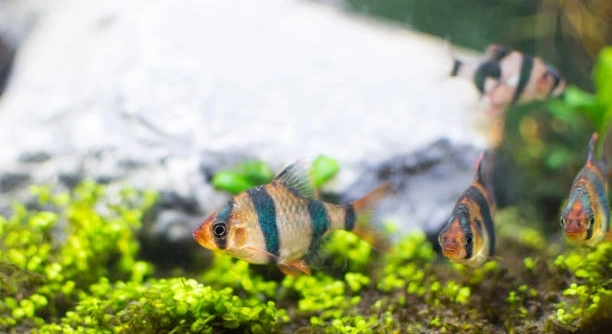
Tiger barbs are popular aquarium fish known for their bright colors and lively behavior. Many fish keepers enjoy adding them to community tanks. However, their active nature sometimes leads to conflicts with other fish sharing the space.
Tiger barbs may clash with tankmates due to their natural territorial instincts and high energy levels. They tend to nip fins and chase slower or long-finned fish, causing stress and injury to their companions. Understanding their behavior is key to managing these conflicts.
Learning why tiger barbs act this way can help you create a peaceful environment. This article explores common causes and practical tips for keeping your tank balanced and harmonious.
Why Tiger Barbs Are Aggressive
Tiger barbs are naturally active and territorial fish. In the wild, they swim in groups and compete for food and space. This behavior carries over to the aquarium, where they may feel the need to establish dominance. They often nip at slower or long-finned fish to show who is in charge. If their tank is too small or overcrowded, this aggression can increase. Stress can make tiger barbs more likely to act out. Tankmates that don’t swim quickly or have flowing fins tend to become targets. It’s important to provide enough hiding spots and space for all fish to reduce tension. Keeping tiger barbs in groups of at least six can also lessen aggression, as they focus on each other instead of other fish.
Their lively nature means they need room and company to behave well in a tank.
Aggression in tiger barbs often comes from their need to assert territory. This instinct helps them survive but can cause clashes in community tanks.
Choosing Compatible Tankmates
Picking the right tankmates is key to a peaceful aquarium with tiger barbs. Fast swimmers with sturdy fins usually do well alongside them. Fish like danios, barbs, and some types of tetras can handle the tiger barb’s energy without stress. Avoid slow or long-finned species such as angelfish or bettas, as they are often targets. Tankmates that school tightly may also reduce the chance of being singled out. It helps to observe your fish closely after introducing new members to spot early signs of bullying or stress. Regular tank maintenance and proper feeding reduce competition, making aggression less likely. Taking time to select fish with similar activity levels can improve harmony and keep your aquarium a pleasant place for everyone.
Tank Size and Environment
A small tank can increase aggression in tiger barbs. When space is limited, fish feel crowded and stressed, which leads to more chasing and fin-nipping. Providing enough room helps reduce tension and keeps fish calmer.
A minimum of 20 gallons is recommended for a group of tiger barbs to swim freely. Decorations like plants and rocks create hiding spots and break the line of sight between fish. This reduces constant chasing and gives tankmates a place to escape. Proper water conditions and regular cleaning also help keep stress low. When the environment feels natural and comfortable, aggression tends to decrease, creating a more balanced tank community.
Overcrowding and poor tank setup often cause conflicts. Giving fish space and hiding spots is essential for peace.
Feeding and Nutrition
Feeding tiger barbs well can help lower aggression. When fish are hungry or compete for food, they become more aggressive toward tankmates. Providing enough food for everyone reduces this behavior.
High-quality flakes, pellets, and occasional live or frozen foods keep tiger barbs healthy and satisfied. Feeding small amounts multiple times a day helps prevent competition and stress during mealtime. Uneaten food should be removed to keep water quality good. Balanced nutrition supports their energy levels and reduces irritability. Watching feeding habits closely allows you to adjust amounts and avoid overfeeding, which can cause health problems and further stress.
A well-fed tank is a calmer tank, where aggression is less likely to flare up during meals.
Signs of Stress in Tankmates
Stress signs in fish include torn fins, hiding more often, and loss of color. These behaviors usually mean the fish feels threatened or bullied by tiger barbs.
Other signs are rapid breathing and reduced appetite. Watching for these early helps prevent serious harm.
How to Reduce Aggression
One way to reduce aggression is by increasing the number of tiger barbs. Keeping them in groups of six or more helps spread out their energy and focus.
Adding plants and decorations creates barriers and hiding spots. This limits direct confrontations and gives shy fish safe spaces. Regular tank cleaning and feeding routines also lower stress, making a peaceful environment more likely.
When to Separate Fish
If aggression causes injury or constant stress, it may be best to separate the fish. This protects weaker tankmates from harm and gives everyone a chance to recover.
FAQ
Why do tiger barbs nip at other fish?
Tiger barbs nip because of their natural behavior to establish dominance and protect territory. They are active swimmers and use nipping as a way to show who is in charge. This behavior can also come from boredom or stress if the tank environment is not ideal. Providing enough space, hiding spots, and keeping them in groups can help reduce nipping.
How many tiger barbs should be kept together?
It’s best to keep tiger barbs in groups of at least six. When they are in larger groups, they focus their energy on each other rather than other tankmates. Smaller groups or singles tend to become more aggressive toward other fish, as they don’t have enough companions to interact with.
What tankmates are safe with tiger barbs?
Safe tankmates include fast, active fish with sturdy fins such as danios, other barbs, and some tetras. Avoid slow-moving or long-finned fish like angelfish or bettas, which are often targets for fin-nipping. Schooling fish that stay in groups also do better because they are less likely to be singled out.
Can tank size affect aggression?
Yes, tank size plays a big role. Smaller tanks cause crowding and stress, which increase aggression. A 20-gallon tank or larger is recommended for a group of tiger barbs. This gives them enough room to swim and establish territories without constant conflict.
How can I tell if my fish are stressed from aggression?
Look for signs like torn fins, hiding, loss of color, rapid breathing, or reduced appetite. These indicate the fish may be bullied or stressed. Early detection helps prevent injuries and long-term health problems.
What can I do to reduce aggression in my tank?
Increase the group size of tiger barbs, add plants and decorations for hiding spots, maintain good water quality, and feed fish properly to reduce competition. Creating a natural and comfortable environment helps calm fish and lowers aggressive behavior.
Is it necessary to separate aggressive fish?
Sometimes yes. If aggression causes injury or constant stress, separating the aggressive tiger barbs or their victims is the best solution. This protects weaker fish and helps keep the tank peaceful.
Does diet affect tiger barb behavior?
A balanced diet helps keep tiger barbs healthy and less aggressive. Feeding small amounts multiple times a day prevents hunger-driven fights. Avoid overfeeding, which can cause poor water quality and stress.
Can adding plants reduce aggression?
Plants provide hiding spots and break lines of sight between fish, reducing chasing and bullying. They help create a more peaceful environment by giving shy or slower fish places to escape.
Will tiger barbs stop nipping as they age?
Nipping usually decreases as tiger barbs grow older and more mature, especially when kept in proper groups and a good environment. However, some level of activity and chasing is natural and may continue throughout their lives.
Tiger barbs are lively and colorful fish that bring energy to any aquarium. Their natural behavior includes being active swimmers and establishing a pecking order within their group. Because of this, they may sometimes nip at other fish or show signs of aggression. This behavior can be frustrating for fish keepers who want a peaceful tank environment. However, understanding why tiger barbs act this way helps to manage their behavior better. Their nipping is not out of cruelty but rather a way to communicate and protect their space. Providing the right conditions, such as enough space, hiding spots, and compatible tankmates, can reduce conflicts and make the aquarium more enjoyable for all fish.
Creating a comfortable environment is one of the most effective ways to keep tiger barbs from clashing with other tankmates. A larger tank with plenty of plants and decorations helps break up the line of sight and offers safe places for slower or shy fish. Keeping tiger barbs in groups of six or more also spreads their energy, reducing the chance they will focus aggression on other fish. It’s important to choose tankmates that are quick swimmers and have sturdy fins to withstand the tiger barbs’ lively nature. Feeding the fish well with balanced nutrition and maintaining good water quality also supports their health and lowers stress. When these factors are in place, most aggression can be controlled or greatly minimized.
At the end of the day, patience and observation are key when caring for tiger barbs and their tankmates. Watching how your fish interact can help you spot early signs of stress or bullying and adjust the tank setup accordingly. Sometimes, separating aggressive fish or changing tankmates may be necessary for the wellbeing of all. Remember, no fish is perfect, and some level of activity and chasing is natural for tiger barbs. With the right care and environment, these colorful fish can coexist peacefully and add a lively charm to your aquarium. Taking these steps ensures a happier tank for both you and your fish.

Hello,
If you enjoy the content that we create, please consider saying a "Thank You!" by leaving a tip.
Every little bit helps us continue crafting quality advice that supports the health, happiness, and well-being of pets around the world, for pets of all shapes, sizes, and species.
We really appreciate the kindness and support that you show us!