
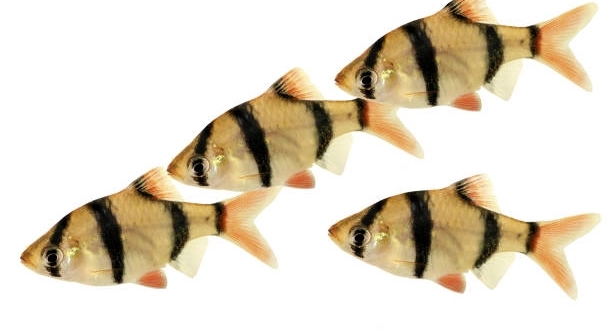
Do you ever find yourself watching your tiger barbs dart in and out of tank decorations more than swimming in the open?
Tiger barbs often hide in decorations due to stress, territorial behavior, or environmental factors like lighting, overcrowding, or poor water quality. Hiding provides a sense of safety and helps them cope with these stressors.
Understanding why they hide can help improve their environment, making your tank a calmer, healthier place for them to thrive.
Common Reasons Tiger Barbs Hide
Tiger barbs often hide when they feel stressed. This stress can be caused by several things, like aggressive tank mates, loud noises near the tank, or poor water conditions. Since they are active fish by nature, hiding is usually a sign something isn’t quite right. If the tank is too small or crowded, they may feel overwhelmed. In these situations, hiding becomes their way to escape and feel secure. Some fish also use hiding spots to rest, especially if they feel exposed. Decorations, plants, and caves offer a sense of comfort. If there’s not enough cover, tiger barbs may become anxious. Also, sudden changes in the tank, such as new additions or rearranged décor, can cause them to retreat temporarily. Light can play a role too. Bright lighting may make them uncomfortable, especially if the tank lacks shaded areas or plants to soften the glare.
Other times, hiding is just a way to create space.
If you’ve recently added new fish or changed tank decorations, your tiger barbs might need a few days to adjust. They tend to watch carefully before deciding it’s safe to come out. Being patient is key during this period.
How to Help Them Feel Safer
Provide plenty of hiding spots with plants, rocks, or tunnels.
Tiger barbs thrive in a balanced environment. One of the most helpful things you can do is test the water regularly and make sure ammonia, nitrites, and nitrates are at safe levels. Keep the temperature steady and avoid placing the tank in noisy or high-traffic areas. A group of at least six tiger barbs usually helps reduce stress because they feel safer in numbers. Choose tank mates that are peaceful and won’t chase or nip at them. Avoid sudden lighting changes by using a timer or dimming options. Adding floating plants can also help diffuse bright light and create natural shade. When decorating the tank, create a few quiet zones where they can retreat. These areas don’t have to be complicated—simple caves or dense plants work well. Watching your fish closely and making small adjustments based on their behavior will help them feel more comfortable and confident over time.
Behavior Changes to Watch For
If your tiger barbs suddenly start hiding more than usual, it’s often a sign that something has changed in their environment. Pay attention to how often they hide and whether other fish are acting differently too. These changes usually point to a larger issue in the tank.
Sometimes hiding comes with other signs like faded colors, clamped fins, or loss of appetite. These could mean your fish are feeling unwell or overly stressed. Try to recall any recent changes you’ve made, like new decorations, tank mates, or water treatments. Even small shifts in water temperature or quality can have a big effect. Testing the water is a good first step. You may also want to watch the other fish for signs of aggression. One bully in the tank can cause several others to hide. Taking action quickly helps prevent these behaviors from turning into more serious health problems.
Hiding that lasts more than a few days may need more attention. If you’ve ruled out water issues, think about rearranging the tank layout or adding more hiding spaces. It’s also helpful to make sure your tank isn’t too noisy or brightly lit. Sometimes moving the tank to a quieter area or adjusting the lighting can help. Monitor them closely.
Creating a Comfortable Tank Setup
Start with a tank that’s big enough for active swimming and group behavior. Tiger barbs need space and feel more at ease in schools of at least six. This helps prevent aggression and makes them feel secure in their group.
Use natural decorations like live or silk plants, smooth rocks, and driftwood to create hiding spots and visual breaks. Avoid overcrowding the tank with too many decorations—fish still need room to swim freely. A soft, sandy or fine gravel substrate keeps the tank calm and easier to clean. Make sure there’s enough open space in the middle for their active swimming, but balance that with quiet corners they can retreat to. Keep lighting soft or use floating plants to provide shade. Gentle filtration is best to avoid strong currents. These simple choices make your tank feel more like a natural home, helping tiger barbs feel safe while still staying active.
The Role of Tank Mates
Peaceful tank mates help reduce stress for tiger barbs. Avoid pairing them with slow-moving or long-finned fish, as tiger barbs can be nippy. Choosing the right mix of fish helps prevent tension and limits the need for hiding.
Good companions include danios, loaches, and other semi-aggressive barbs. These fish match their energy levels and reduce territorial disputes. A calm tank environment encourages more active swimming and less hiding.
Feeding Time and Hiding
If tiger barbs hide during feeding, it may be from fear or discomfort. Make sure food is spread out so all fish have access without needing to compete. Feeding at the same time daily helps build routine and comfort. Stick to a varied diet to keep them healthy and engaged.
When to Seek Help
Hiding paired with signs of illness like cloudy eyes or bloating may require advice from an aquatic vet.
Why do tiger barbs hide so much?
Tiger barbs hide often because they feel stressed, scared, or threatened. This stress can come from things like poor water quality, aggressive tank mates, or sudden changes in their environment. Hiding helps them feel safe and protected. It is a natural behavior that allows them to avoid danger or rest when they feel uneasy.
Is it normal for tiger barbs to hide all day?
No, hiding all day is usually a sign of stress or illness. Healthy tiger barbs tend to swim actively and interact with their surroundings. If they hide too much, check water parameters and tank conditions. Look for signs of bullying from other fish or poor water quality. Addressing these problems usually helps reduce hiding behavior.
How can I reduce hiding in tiger barbs?
To reduce hiding, provide plenty of decorations, plants, and caves where they can feel secure but also swim freely. Keep the water clean and stable, avoid overcrowding, and choose peaceful tank mates. Feeding on a regular schedule with good quality food also helps them feel safe and confident.
Are tiger barbs shy fish?
Tiger barbs are not naturally shy; they are curious and active swimmers. However, they may hide when they feel threatened or stressed. Shyness can be temporary and usually improves when the fish feel safe and comfortable in their environment.
Can tank size affect hiding behavior?
Yes, a tank that is too small or overcrowded can cause stress and increase hiding behavior. Tiger barbs need enough space to swim actively and avoid aggressive encounters. A tank of at least 20 gallons is recommended for a small group to keep them comfortable.
Do tiger barbs hide more at night?
Tiger barbs may hide more at night as part of their natural resting behavior. They seek quiet and dark places to rest safely. This is normal and not a cause for concern unless hiding continues excessively during the day.
How does lighting affect tiger barbs hiding?
Bright or harsh lighting can stress tiger barbs, making them hide more often. Providing shaded areas with floating plants or dimmable lights helps create a balanced environment. Soft lighting mimics their natural habitat and encourages them to be more active.
What tank mates work best with tiger barbs to reduce hiding?
Good tank mates for tiger barbs are other fast, semi-aggressive fish like danios, rasboras, and other barbs. Avoid slow-moving or long-finned fish that may be targeted. A compatible group reduces stress and the need for hiding.
Does hiding mean my tiger barb is sick?
Hiding alone does not always mean sickness, but if combined with other signs like loss of appetite, faded colors, or lethargy, it may indicate illness. Monitor water quality and behavior closely. Consult an expert if symptoms worsen.
How often should I check the water to prevent hiding?
Testing water parameters weekly is ideal to prevent stress and hiding. Keep ammonia, nitrites, and nitrates at safe levels. Stable temperature and pH also reduce stress, helping your tiger barbs feel secure and less likely to hide.
Can rearranging decorations cause hiding?
Yes, sudden changes in tank layout can make tiger barbs feel insecure, leading to increased hiding. When rearranging, do it gradually if possible. Give your fish time to adjust before making more changes.
What diet helps reduce stress and hiding?
A varied diet of high-quality flakes, pellets, and occasional live or frozen foods keeps tiger barbs healthy and active. Good nutrition supports their immune system and reduces stress, which can lower hiding behavior.
How can I tell if hiding is due to bullying?
Signs of bullying include torn fins, visible injuries, or one fish chasing others repeatedly. If you notice these, separate aggressive fish or increase group size to spread aggression. Providing more hiding spaces also helps victims feel safe.
Is it okay for tiger barbs to hide in plants?
Yes, plants provide excellent cover and comfort for tiger barbs. They use plants to feel secure and rest. Live plants also improve water quality and create a natural environment, which benefits their overall well-being.
What should I do if hiding continues despite good conditions?
If hiding persists even after improving tank conditions, it may be due to illness or individual temperament. Observe your fish closely and consider consulting a vet or experienced aquarist for advice. Sometimes, fish need extra care to regain confidence.
Tiger barbs hiding in decorations is a common behavior that usually signals their need for safety and comfort. They are naturally active fish, but when they feel stressed or threatened, they retreat to hiding spots. This behavior is normal and helps them manage stress, avoid aggression, or rest. Understanding the reasons behind their hiding is important for keeping them healthy and happy. It shows that your fish are reacting to their environment, and by paying attention, you can make positive changes that improve their well-being.
Creating a good tank environment is key to reducing excessive hiding. This means having enough space for swimming and a variety of decorations that offer safe places to hide. Plants, caves, and rocks help tiger barbs feel secure without limiting their freedom to move around. Water quality is also very important. Clean, stable water with proper temperature and chemical balance reduces stress. Choosing the right tank mates and maintaining a calm, quiet location for the tank also support a healthy atmosphere. Regular feeding with a varied diet keeps the fish active and engaged, which further lowers stress levels and hiding behavior.
Sometimes hiding lasts longer than expected, and that may point to health problems or ongoing stress. When this happens, it’s important to look for other signs such as changes in color, appetite, or behavior. If the fish seem sick or injured, seeking advice from an expert or aquatic veterinarian can be helpful. Overall, tiger barbs need a stable, well-maintained environment to thrive. By understanding their behavior and needs, you can create a tank that feels like a safe home, where your tiger barbs will be less inclined to hide and more likely to swim happily and confidently.

Hello,
If you enjoy the content that we create, please consider saying a "Thank You!" by leaving a tip.
Every little bit helps us continue crafting quality advice that supports the health, happiness, and well-being of pets around the world, for pets of all shapes, sizes, and species.
We really appreciate the kindness and support that you show us!