
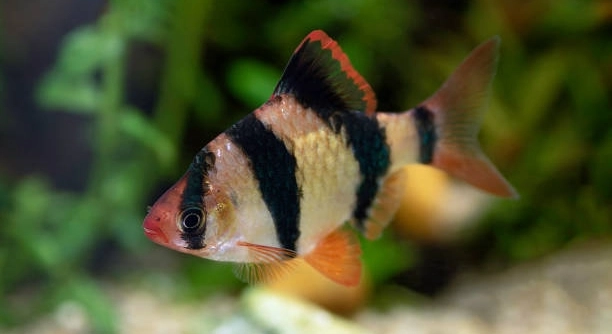
Tiger barbs are popular aquarium fish known for their lively behavior. Many fishkeepers notice these fish becoming more active and sometimes aggressive during nighttime hours. Understanding this change can help maintain a peaceful tank environment.
Tiger barbs display increased aggression at night due to their natural territorial instincts combined with lower light levels, which can heighten stress and competition. These fish rely on visual cues, and dim conditions may trigger defensive and dominance behaviors to protect their space.
Learning more about why tiger barbs act this way can improve how you care for them and keep your aquarium balanced and calm.
Understanding Tiger Barbs’ Nighttime Behavior
Tiger barbs naturally form social hierarchies, which become more apparent in low light. At night, their vision is limited, so they rely on instincts to protect their territory. This instinct causes them to chase or nip at other fish to assert dominance. Additionally, in the wild, these fish are active during dawn and dusk, making nighttime activity normal for them. Tank conditions also play a role. If the aquarium is crowded or lacks hiding spaces, stress can build up, increasing aggression. Feeding times and light schedules affect behavior too. When lights dim, some tiger barbs might mistake shadows or movements for threats, triggering defensive reactions. Keeping their environment comfortable helps reduce these aggressive moments. Recognizing this behavior as natural rather than problematic helps create a better living space for the fish.
Tank setup and population balance directly impact how tiger barbs behave at night. More space and fewer fish reduce aggression.
Managing aggression involves adjusting tank conditions and understanding natural behaviors to promote peace among fish.
How to Reduce Nighttime Aggression
Providing plenty of plants and decorations gives tiger barbs places to hide and lowers stress levels. Bright lighting during the day with a gradual dimming at night helps them adjust without sudden changes that trigger aggression. Feeding smaller amounts more frequently can reduce competition and fighting over food. Avoid overcrowding the tank, as too many fish create tension and increase aggressive acts. Regular water changes and maintaining good water quality support a healthy environment that reduces stress-induced behavior. Observing your tiger barbs’ interactions will help you spot early signs of conflict and intervene when needed. With these adjustments, the tank becomes a calmer space where aggression at night decreases, allowing the fish to settle peacefully. Creating a balanced and stable environment benefits both the fish and the owner’s enjoyment.
Common Triggers for Aggression at Night
Changes in light and sudden movements often trigger aggression in tiger barbs. These triggers make them feel unsafe or threatened, causing defensive behavior.
Stress from overcrowding or poor water quality can increase aggression. When space is limited, fish compete more aggressively for territory and resources. Sudden noises or vibrations near the tank may also startle tiger barbs, leading to nighttime flare-ups. Their natural instinct is to protect themselves and their group from possible danger. This behavior is common in many active fish species and requires patience and careful tank management to reduce.
Inconsistent feeding schedules can worsen aggression. When food is scarce or given irregularly, tiger barbs may fight more fiercely during feeding times, especially at night. Feeding small amounts more often helps prevent competition and aggression. Ensuring each fish gets enough nutrition reduces stress and helps maintain harmony in the tank. Monitoring these triggers allows better control over their behavior and improves overall tank peace.
The Role of Tank Environment
A well-structured tank with plenty of hiding spots lowers aggression levels. Plants, caves, and decorations give tiger barbs places to retreat and feel secure.
Tank size matters greatly. A larger tank reduces territorial disputes by giving fish more room to spread out. Overcrowding leads to increased stress and aggression because fish feel their space is threatened. Water quality also influences behavior; clean, stable conditions promote calmness and reduce irritation. Proper filtration and regular maintenance keep water parameters in check. Lighting schedules that mimic natural cycles help tiger barbs adjust calmly to nightfall. Creating an environment that meets their needs lessens aggression and supports healthier, happier fish.
Feeding Habits and Aggression
Tiger barbs tend to become more competitive around feeding time, especially in the evening. Hunger can make them more aggressive as they try to secure food.
Feeding smaller amounts multiple times a day helps reduce fighting. It ensures all fish get their share and lowers nighttime aggression.
Impact of Lighting on Behavior
Lighting plays a key role in tiger barbs’ activity levels. Sudden changes from bright to dark can startle them and increase aggressive behavior. Maintaining a gradual dimming schedule helps the fish adjust naturally to night conditions, reducing stress and conflict in the tank.
Social Dynamics Within the School
Tiger barbs are schooling fish, and their social structure affects aggression. When the group is balanced, aggression is minimal. However, if the school size is too small or uneven, dominant fish may bully others more often.
FAQ
Why do tiger barbs nip other fish at night?
Tiger barbs nip at other fish mainly to establish dominance and protect their territory, especially when visibility is low. Nighttime creates dim lighting, which heightens their natural instincts. They might mistake other fish for threats or competitors, leading to chasing and nipping behaviors. This is common in active schooling fish that compete for space and resources.
How can I stop my tiger barbs from being aggressive at night?
To reduce aggression, provide plenty of hiding spots and maintain proper tank size to avoid overcrowding. Use gradual lighting changes to prevent sudden stress. Feeding smaller portions several times a day lowers competition. Regular water maintenance also helps keep the fish calm by reducing stress from poor water quality.
Is it normal for tiger barbs to be more active at night?
Yes, tiger barbs naturally show more activity during dawn and dusk, which includes early night hours. Their increased movement is part of their instinctual behavior. While they might seem more aggressive at night, this activity is typical and helps them establish social order within their group.
Can tank mates influence tiger barbs’ nighttime aggression?
Absolutely. Tank mates that are slow-moving or long-finned can attract nips from tiger barbs. Aggressive behavior might increase if tank mates are not compatible or if the tank is too small for multiple species. Choosing fish that can handle the tiger barbs’ energy and keeping a proper population balance helps reduce conflict.
Does feeding time affect aggression in tiger barbs?
Feeding time plays a big role. If tiger barbs are hungry or food is scarce, they become more aggressive, especially during low light when competition feels more intense. Feeding smaller amounts more frequently prevents fights and ensures all fish get enough nutrition without stress.
How important is tank size for managing aggression?
Tank size is crucial. A larger tank gives tiger barbs more space to swim and establish territories without frequent confrontations. Overcrowding causes stress and increases aggression. Experts recommend at least 20 gallons for a small school to maintain harmony and reduce night aggression.
Will adding more tiger barbs help reduce aggression?
Sometimes adding more tiger barbs helps because it spreads out aggression evenly across the group. A school of at least six creates a natural social order, preventing any one fish from being singled out. However, adding too many can cause overcrowding and stress, so balance is key.
Can changes in water quality trigger aggression?
Yes, poor water quality raises stress and can lead to aggressive behavior. High ammonia, nitrite, or nitrate levels irritate fish and disrupt their health. Keeping water clean through regular testing and maintenance creates a stable environment where aggression is less likely to flare up.
Do tiger barbs need a nighttime feeding routine?
They don’t need feeding specifically at night, but a consistent feeding schedule helps. Feeding in the evening can reduce nighttime aggression caused by hunger. Avoid overfeeding, which can pollute the tank and increase stress. A balanced routine supports calm behavior.
Is it normal for some tiger barbs to be more aggressive than others?
Yes, individual personalities vary. Some tiger barbs naturally act as leaders or dominant fish and show more aggression to control their group. This behavior is part of their social structure. Managing tank conditions and group size helps keep dominant fish from stressing others too much.
Tiger barbs are naturally active and social fish with behaviors that can sometimes seem aggressive, especially at night. This aggression is often linked to their instincts to protect territory and establish social order within their group. Low light conditions at night can make them more defensive, leading to chasing and nipping. Understanding that this is normal behavior helps fishkeepers approach the situation calmly and make changes to their tank environment rather than feeling frustrated or worried.
Creating a comfortable and balanced aquarium is key to managing nighttime aggression in tiger barbs. Providing enough space, hiding places, and plants allows the fish to feel secure and reduces stress. Feeding smaller amounts multiple times a day helps limit competition and aggressive behaviors during feeding times. A gradual lighting schedule that mimics natural day and night cycles can ease their transition into darkness without causing sudden fear or confusion. Regular water maintenance also supports a healthy environment, keeping the fish calmer and less prone to conflict.
It is important to remember that some level of activity and interaction among tiger barbs is normal and part of their social nature. Aggression can be controlled but not completely eliminated, especially in smaller tanks or crowded conditions. Paying attention to their behavior, adjusting tank conditions, and choosing suitable tank mates can greatly improve harmony. With patience and care, tiger barbs can live peacefully, and their lively personalities can be enjoyed without constant worry about aggression.

Hello,
If you enjoy the content that we create, please consider saying a "Thank You!" by leaving a tip.
Every little bit helps us continue crafting quality advice that supports the health, happiness, and well-being of pets around the world, for pets of all shapes, sizes, and species.
We really appreciate the kindness and support that you show us!