
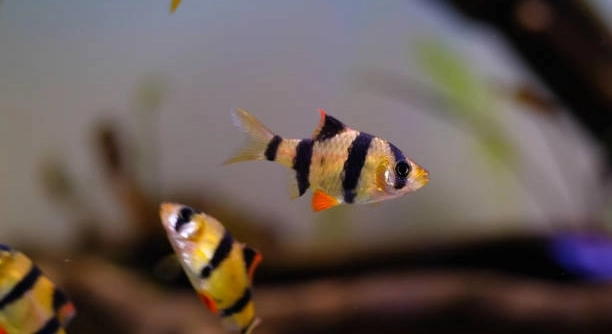
Tiger barbs are popular freshwater fish known for their vibrant colors and active behavior. Many aquarists notice that these fish often swim closely together, appearing to follow one another around the tank. This pattern is common and part of their natural instincts in the wild.
Tiger barbs follow each other constantly because they are schooling fish. Schooling provides safety in numbers, reduces stress, and helps them navigate their environment more efficiently. This behavior is an evolutionary adaptation to avoid predators and improve survival.
Understanding why tiger barbs exhibit this behavior can improve how you care for them in an aquarium. Their social nature impacts tank setup and interactions with other fish, making this knowledge important for any enthusiast.
Why Tiger Barbs School Together
Tiger barbs naturally form schools because it provides several benefits. When they swim in groups, they appear larger and more intimidating to predators, which helps keep them safe. This collective movement also reduces individual stress, as the fish feel more secure surrounded by others. In a group, they can quickly respond to changes or threats in their environment, improving their chances of survival. Schooling also makes it easier for them to find food and navigate their habitat. This behavior comes from their origin in Southeast Asian rivers, where open water and many predators made schooling necessary. Keeping tiger barbs in groups in captivity mimics their natural environment, which supports their well-being and activity levels. Watching them interact this way can be calming and interesting, but it also shows how important social behavior is to their health and happiness.
Keeping tiger barbs in small groups helps replicate their natural schooling behavior and reduces stress.
Tiger barbs show strong social bonds through schooling, but these bonds can lead to competitive behavior. Within the group, some fish may become more dominant, chasing or nipping at others, especially if the tank is too small or overcrowded. Providing enough space and hiding spots can reduce aggression by allowing fish to escape or rest. Balanced feeding also helps avoid competition for food. Observing the dynamics in the tank can inform adjustments to maintain harmony among the fish. Proper care involves understanding both their need for companionship and managing their sometimes aggressive interactions.
Managing Aggression in Tiger Barbs
Aggression among tiger barbs can be minimized by maintaining the right tank size and conditions.
Aggression is a common challenge with tiger barbs due to their active nature and social hierarchy. When kept in insufficient numbers or cramped spaces, they tend to become more aggressive toward each other and other fish. Ensuring a minimum group size of six or more disperses aggressive behavior, preventing any single fish from becoming a target. A tank size of at least 30 gallons is recommended to give them enough room to swim and establish territories. Adding plants and decorations offers hiding spots that can calm aggressive tendencies by breaking lines of sight. Additionally, compatible tank mates that can tolerate their activity and occasional nipping help create a balanced environment. Regular observation and adjustments in stocking levels or tank layout are essential to managing aggression and keeping the fish healthy.
Benefits of Schooling Behavior
Schooling helps tiger barbs avoid predators by confusing them with group movement. It also improves their chances of finding food and navigating their environment.
Tiger barbs instinctively group together because it increases their safety. Moving as a unit makes it harder for predators to single out one fish. In the wild, this behavior has helped them survive through constant threats. Additionally, schooling supports their social needs, making them less stressed in captivity. When kept in groups, tiger barbs exhibit more natural behavior and seem more active and healthy. This is why a solitary tiger barb often appears shy or lethargic.
Schooling also encourages natural communication among fish. They signal danger and share space efficiently, reducing conflicts. When this behavior is disrupted, fish may become anxious or aggressive. Keeping them in groups preserves these social dynamics and promotes a balanced aquarium environment.
How Tank Environment Affects Schooling
The size and layout of the tank influence how tiger barbs school. A cramped or empty tank can cause stress and disrupt natural behavior.
A spacious tank allows tiger barbs to form loose, comfortable schools and move freely. Plants and decorations create hiding places that reduce aggression and give them space to rest. Without enough room or structure, fish may become restless or aggressive, affecting the school’s stability. Proper water conditions, such as temperature and cleanliness, also impact schooling. Healthy fish are more likely to stick together calmly. When the environment suits their needs, tiger barbs show clear schooling patterns that reflect their natural instincts. This makes maintaining tank conditions critical to preserving their social behavior and overall health.
Group Size and Schooling
Tiger barbs need to be in groups of at least six to display proper schooling behavior. Smaller groups may lead to stress or aggression.
A larger group spreads out aggressive actions and encourages natural movement. The more fish in the school, the more secure and active they tend to be.
Signs of Healthy Schooling
Healthy schooling shows synchronized swimming and tight group formation. Fish appear alert and move smoothly together.
Impact of Stress on Schooling
Stress causes fish to break from the group, swim erratically, or hide more often. This disrupts their schooling behavior and can indicate poor tank conditions.
Why do tiger barbs follow each other so closely?
Tiger barbs follow each other closely because they are schooling fish. This behavior is instinctive and helps them stay safe from predators by appearing as a larger, unified group. It also helps reduce individual stress, as being part of a group offers comfort and security. In an aquarium, this natural behavior helps maintain social bonds and promotes their activity.
How many tiger barbs should be kept together?
A group of at least six tiger barbs is recommended to encourage proper schooling behavior. Smaller groups can lead to increased stress, loneliness, or aggression. A larger school allows fish to spread out aggressive tendencies and behave more naturally, improving their overall health and happiness in the tank.
Can tiger barbs live alone?
Tiger barbs can survive alone but they do not thrive. Without a group, they may become shy, stressed, and inactive. Their natural schooling behavior is crucial for their well-being, so keeping them in groups is important for a balanced and healthy aquarium environment.
Why do tiger barbs nip at other fish?
Nipping is common because tiger barbs are active and sometimes aggressive. This behavior often occurs when the tank is overcrowded, there are not enough hiding places, or fish are stressed. Ensuring a large enough group, sufficient space, and good tank conditions helps reduce this behavior.
What tank size is best for tiger barbs?
A minimum tank size of 30 gallons is ideal for a group of six or more tiger barbs. This size provides enough swimming space and room for decorations or plants that create hiding spots. Larger tanks help reduce aggression and allow natural schooling behavior to develop.
How does tank environment affect schooling?
The tank’s environment greatly influences schooling. A well-maintained tank with clean water, proper temperature, and plenty of space encourages natural schooling. Plants and decorations break sight lines, reducing aggression and stress, which helps fish maintain tighter, healthier schools.
What are signs that schooling behavior is unhealthy?
If tiger barbs are scattered, hiding excessively, swimming erratically, or showing constant aggression, it may indicate unhealthy schooling. Poor water quality, overcrowding, or illness can cause these problems. Monitoring fish behavior and tank conditions regularly helps catch issues early.
Can tiger barbs school with other fish?
Tiger barbs primarily school with their own kind. While they may swim alongside other active fish, true schooling is species-specific. Mixing them with very different fish may lead to stress or aggression, so compatible tank mates are essential to maintain harmony.
Do tiger barbs need hiding spots in their tank?
Yes, hiding spots are important for tiger barbs. They help reduce stress and offer refuge from aggressive tank mates or dominant fish. Plants, rocks, and decorations create natural shelters, improving fish comfort and supporting healthy social behavior.
How often should tiger barbs be fed?
Feeding tiger barbs once or twice daily with a balanced diet keeps them healthy and active. Overfeeding can pollute the tank and cause aggression during feeding times. Consistent feeding routines help maintain their energy and support schooling behavior.
Tiger barbs are fascinating fish known for their schooling behavior. This instinct to follow each other closely is a key part of their nature. It helps them stay safe, reduces stress, and keeps them active. Understanding this behavior is important for anyone keeping tiger barbs in an aquarium. When their natural habits are respected, they tend to be healthier and show more natural, lively actions.
Keeping tiger barbs in proper groups is essential. Small groups or solitary fish often become stressed or aggressive. A group of six or more allows them to spread out aggressive behavior and maintain social bonds. Tank size and environment also play a big role in supporting their schooling. A spacious tank with hiding places and clean water encourages calm and natural behavior. These conditions help tiger barbs feel secure and reduce conflicts within the group.
Overall, caring for tiger barbs means paying attention to their social needs and environment. Their schooling is more than just swimming together; it’s a survival mechanism and a way to communicate. Providing the right group size, tank setup, and good water quality will keep tiger barbs healthy and happy. When these factors are in place, watching their synchronized swimming becomes a rewarding experience that reflects their natural behavior.

Hello,
If you enjoy the content that we create, please consider saying a "Thank You!" by leaving a tip.
Every little bit helps us continue crafting quality advice that supports the health, happiness, and well-being of pets around the world, for pets of all shapes, sizes, and species.
We really appreciate the kindness and support that you show us!