
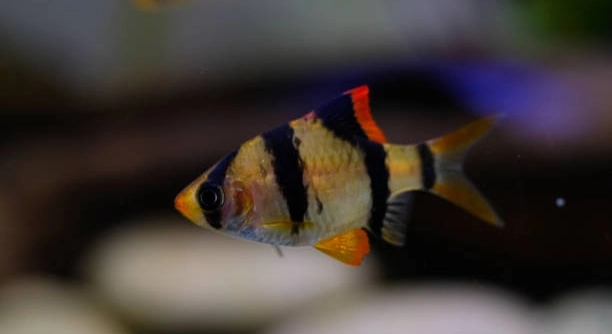
Tiger Barbs are popular aquarium fish known for their vibrant colors and lively behavior. One of their most noticeable actions is flashing their bright sides. This flashing can catch the attention of both new and experienced fishkeepers alike.
Tiger Barbs flash their sides primarily as a form of communication. This behavior serves multiple purposes, including signaling dominance, warning other fish, and during mating displays. Flashing helps establish social hierarchy and reduces physical conflicts within the group.
Understanding why Tiger Barbs flash will help you better care for them and appreciate their natural behavior in your aquarium. The reasons behind this flashing reveal much about their social interactions and environment.
Why Tiger Barbs Flash Their Sides
Tiger Barbs use flashing as a clear way to communicate with others in their tank. This behavior often shows when they feel threatened or want to assert dominance. Flashing can also happen during mating, helping fish attract partners. When a Tiger Barb flashes its sides, it displays its bright colors to send a message. This flashing can warn others to back off or show who is the strongest. It’s a visual signal that helps avoid fights by setting boundaries. If you keep multiple Tiger Barbs together, you may see frequent flashing as they sort out their social order. The behavior is natural and helps maintain peace in the aquarium by letting fish communicate without physical confrontation. Sometimes flashing happens more when the fish feel stressed or uncomfortable, so it can also be a sign to check their environment.
Flashing is mainly about communication and social structure among Tiger Barbs.
Watching this behavior closely can help you understand how your fish interact and whether their environment suits them well.
How to Respond to Flashing Behavior
Flashing by Tiger Barbs usually indicates how they feel about their surroundings or other fish in the tank. It can mean they need more space, or the tank setup needs adjustment. If flashing is constant and aggressive, it may be a sign of overcrowding or stress. Ensuring the tank has enough hiding spots and proper water conditions helps reduce flashing caused by discomfort. Sometimes flashing increases when new fish are introduced, as the group reestablishes hierarchy. Monitoring water quality and keeping the tank clean reduces stress, which can lower excessive flashing. Providing a balanced diet also supports their overall health and calm behavior. If flashing happens during breeding, it is a natural part of courtship and not a problem. Knowing the reason behind the flashing lets you create a better home for your Tiger Barbs and improve their wellbeing.
Keeping the tank clean and providing enough space can reduce unwanted flashing in your fish.
If flashing becomes too frequent, adjusting tank conditions and social groups usually helps calm the fish down.
Recognizing Stress-Related Flashing
When Tiger Barbs flash their sides frequently, it often signals stress. Stress in fish can arise from poor water quality, overcrowding, or aggressive tank mates. Flashing helps them express discomfort or alert others to danger, making it important to identify stress triggers early.
Keeping the tank clean is essential to reduce stress. High ammonia, nitrite, or nitrate levels can cause discomfort and increase flashing. Overcrowding forces fish into tight spaces, creating tension. Aggressive fish nearby may also provoke constant flashing. It helps to regularly test water quality and observe interactions. Adding plants or decorations provides hiding places, lowering stress levels. Adjusting the number of Tiger Barbs or tank mates can also ease tensions.
Stress-related flashing is a sign that something in the environment needs to change. Addressing water quality and social dynamics helps your fish feel secure. Consistent care and attention ensure your Tiger Barbs remain healthy and less prone to stress-induced flashing.
Flashing During Breeding Behavior
Flashing is common in Tiger Barbs during breeding seasons. Males often flash their sides more vividly to attract females and show off their fitness. This behavior signals readiness to mate and can intensify until spawning occurs.
Mating flashes can appear different from stress flashing. They tend to be more rhythmic and happen around potential mates rather than the whole tank. During breeding, males might chase females gently while flashing, indicating courtship rather than aggression. Providing a well-planted tank with separate breeding areas encourages natural behaviors and reduces conflict. It is important to maintain excellent water conditions to support spawning. Understanding breeding flashes helps distinguish normal reproductive behavior from signs of stress or aggression in your fish.
Flashing as a Warning Signal
Flashing can act as a warning to other fish. Tiger Barbs use this behavior to show dominance or to prevent fights. The bright flashes let others know to keep their distance.
This warning system helps keep peace in the tank. Fish avoid unnecessary battles by recognizing these signals. It reduces injuries and stress among tank mates.
Group Dynamics and Flashing
Tiger Barbs live in groups and flashing helps them establish social order. Dominant fish flash more to show control, while submissive fish flash less. This balance keeps the group stable and organized. Watching flashing patterns reveals how the hierarchy shifts over time.
Environmental Influence on Flashing
Tank conditions directly affect flashing frequency. Poor water quality or lack of hiding spots can increase flashing. Creating a comfortable environment reduces stress and helps maintain natural behavior.
FAQ
Why do Tiger Barbs flash their sides so often?
Tiger Barbs flash to communicate. Frequent flashing can mean they are stressed, establishing dominance, or involved in mating behavior. Stress causes them to flash to signal discomfort or to warn other fish. If flashing happens too much, it’s a good idea to check water quality and tank conditions.
Is flashing a sign of aggression?
Flashing can show aggression, especially when fish are sorting out social rank. Dominant Tiger Barbs flash to warn others to back off. However, flashing doesn’t always mean fighting will happen—it often prevents fights by signaling who is stronger.
How can I reduce flashing caused by stress?
Make sure the tank is clean and water parameters are stable. Adding hiding places like plants or decorations helps fish feel safe. Avoid overcrowding and aggressive tank mates, and feed a balanced diet. These steps reduce stress and lower excessive flashing.
Does flashing mean my Tiger Barbs are sick?
Flashing isn’t usually a direct sign of illness. But if flashing is paired with other signs like clamped fins, lethargy, or loss of appetite, it could indicate health problems. In those cases, check water quality and consult a vet or fish expert.
Is flashing different during breeding?
Yes. Males flash more brightly and frequently during breeding to attract females. This flashing is part of courtship and usually less aggressive. You might notice chasing behaviors and increased activity around spawning sites.
Can flashing damage my fish?
Flashing itself doesn’t harm fish. It’s a natural behavior for communication. However, if flashing leads to frequent chasing or fighting, injuries can occur. Managing tank size and population helps prevent physical damage.
How many Tiger Barbs should I keep together?
Keeping Tiger Barbs in groups of at least six is recommended. They are schooling fish and feel more secure in groups. Smaller groups can increase stress and aggressive flashing as they try to establish dominance.
What tank conditions support healthy flashing behavior?
Stable water temperature, good filtration, and regular water changes are key. Provide plenty of hiding spots and enough swimming space. A balanced diet also supports their health and natural behavior patterns.
Can flashing signal changes in tank hierarchy?
Yes, flashing helps maintain social order. When new fish join, flashing increases as the group adjusts hierarchy. Over time, flashing settles down as roles become clear.
Should I separate fish that flash too much?
Separating fish is a last resort. First, try improving tank conditions or adding more hiding places. If aggression remains high and injuries occur, separating may be necessary to protect fish health.
Tiger Barbs flashing their sides is a natural and important behavior that helps them communicate with each other. This flashing serves many purposes, such as showing dominance, warning other fish, or attracting mates during breeding. Understanding these reasons helps fishkeepers recognize what their Tiger Barbs might be feeling or trying to express. It is not simply a random or meaningless action but a way for the fish to interact and maintain balance in their environment. By paying attention to when and how often flashing occurs, you can learn more about the social dynamics inside your aquarium.
Taking care of your Tiger Barbs involves creating an environment that reduces unnecessary stress and allows their natural behaviors to show in healthy ways. Good water quality, proper tank size, and enough hiding places all play a role in keeping your fish comfortable. Stress caused by overcrowding, poor water conditions, or aggressive tank mates can increase flashing frequency and lead to tension in the tank. Addressing these factors helps your fish feel safe and lowers signs of distress. Observing flashing alongside other fish behavior gives insight into when changes might be needed to improve their living conditions.
Flashing is one part of what makes Tiger Barbs interesting and lively aquarium fish. When properly cared for, their flashing becomes a peaceful form of communication rather than a sign of conflict. Learning to recognize the different reasons behind flashing allows you to respond appropriately and support your fish’s wellbeing. Whether flashing signals stress, courtship, or social order, it is a natural part of their life that shows their unique personality and interactions. Keeping this in mind will help you create a better home for your Tiger Barbs and enjoy watching their vibrant behavior every day.

Hello,
If you enjoy the content that we create, please consider saying a "Thank You!" by leaving a tip.
Every little bit helps us continue crafting quality advice that supports the health, happiness, and well-being of pets around the world, for pets of all shapes, sizes, and species.
We really appreciate the kindness and support that you show us!