
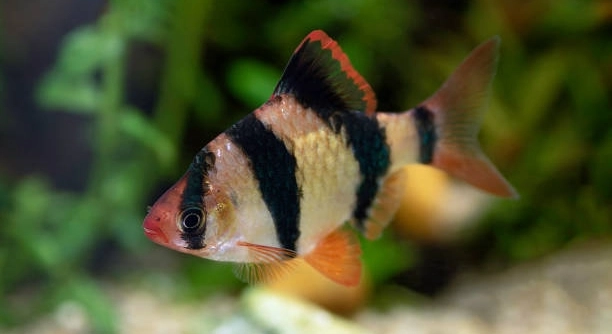
Do you ever find yourself staring at your tiger barbs as they swim in circles around the same spot in their tank?
Tiger barbs circle the same spot primarily due to environmental triggers, stress, or social behavior patterns. This repetitive swimming can stem from poor water quality, lack of stimulation, or dominance hierarchies within the group.
Observing this behavior may seem harmless, but it often points to a deeper issue in your aquarium setup that deserves a closer look.
Why Do Tiger Barbs Circle the Same Spot?
Tiger barbs are known for their active nature, but when they start circling the same area, it’s often a response to something specific. One common reason is poor water quality. If the ammonia, nitrite, or nitrate levels are off, it can cause stress or disorientation. Another cause could be tank layout—if there’s not enough space or hiding spots, the fish might feel trapped or overly exposed. Circling can also be related to social stress. Tiger barbs do best in groups of at least six, and anything less can cause bullying or anxiety, leading to repetitive swimming. This behavior may also happen when they are adjusting to a new environment. They may swim in loops while exploring or trying to feel secure. Checking their surroundings and interactions is a good first step in understanding their behavior.
Circling near the filter or corners may signal stress or confusion caused by tank setup or water movement.
If your tiger barbs are circling often, test the water parameters and observe how they interact with each other. Sometimes, all it takes is a few small changes—like adding plants or adjusting the flow of the filter—to improve their comfort. Make sure the tank is large enough and that you’re providing a balanced diet. Fish that feel safe and stimulated will usually behave more naturally, and the circling may stop on its own once the source of stress is removed.
How to Stop the Circling Behavior
Start by checking your water parameters to make sure nothing is out of range. A clean, stable environment is essential.
If everything looks normal in terms of water quality, then take a look at the size and layout of the tank. Tiger barbs need enough space to swim freely and places to hide or rest. Without these, they might feel vulnerable. Rearranging the décor or adding more plants can give them a better sense of security. Next, count how many tiger barbs you have. If there are fewer than six, increase the group size. Tiger barbs are schooling fish, and small groups can lead to aggressive or nervous behavior. Watch how they interact with one another. If one fish is being targeted, it might help to add more fish to balance the group dynamics. Lastly, consider if anything in the room—like bright lights or sudden movements—is stressing them out. Keeping the tank in a calm spot can make a difference.
Common Mistakes That Trigger Circling
One mistake is placing the tank near loud areas or high foot traffic. Constant noise and movement can keep the fish on edge.
Another common issue is using a tank that’s too small. Tiger barbs are energetic and need plenty of room to swim. Keeping them in a cramped tank can lead to stress and unusual behavior like circling. A 20-gallon tank is usually the bare minimum for a small group. Overstocking also creates problems. Too many fish in one tank can lead to poor water quality and increased aggression. Also, be careful with tankmates. Tiger barbs can be fin-nippers, and putting them with slow or long-finned fish can increase tension. Always research before mixing species, and provide plenty of space to reduce conflict and anxiety in the tank.
Feeding routines matter more than some realize. Overfeeding leads to waste build-up, which throws off water balance. Underfeeding causes anxiety and food competition.
Environmental Adjustments That Help
Try spreading out decorations and adding tall plants to break up the open space. This helps tiger barbs feel more secure while swimming.
Reducing strong water currents can also help if your filter is too powerful. Some fish struggle against it and may circle in response. Place plants or rocks near the outflow to soften the movement. Adding caves or hiding spots also gives the fish a place to retreat when they feel overwhelmed. You can use driftwood, rock structures, or tank-safe ornaments to create these zones. Adjust the tank lighting if it’s too bright—dimmer lighting often leads to calmer behavior. Stick to a consistent day-night light cycle to avoid confusing the fish. Lastly, make sure the tank lid is secure and that vibrations from nearby electronics aren’t disturbing them. Even small changes in the room environment can make a big difference in fish behavior.
Behavioral Signs to Watch For
Rapid darting, fin clamping, or pale coloring often appear alongside circling. These signs usually mean the fish is uncomfortable or stressed.
Changes in appetite or swimming near the surface can also signal that something isn’t right. Keep a close eye on any shifts in their usual behavior.
When to Seek Outside Help
If your tiger barbs keep circling even after you’ve checked water quality, improved the tank layout, and adjusted group size, it might be time to speak with an aquatic specialist. A vet with fish experience or a trusted aquarium store can offer advice based on detailed observations. They may suggest tests you haven’t run or spot subtle issues like parasites or infections. Avoid guessing or using medication without knowing the exact cause. Overmedicating can stress the fish even more. Take photos or videos of the behavior if needed. That way, you’ll have a clear record when asking for help from someone with more experience.
Final Thoughts
Subtle changes in the tank or routine can often solve circling behavior before it becomes a bigger problem.
FAQ
Why do tiger barbs circle the same spot repeatedly?
Tiger barbs often circle the same spot due to stress, poor water conditions, or social dynamics within the tank. It can also be a sign that they feel insecure or threatened in their environment. Circling might happen if the tank is too small or overcrowded. Sometimes, they swim in circles when adjusting to new surroundings or if there is too much current from the filter.
Is circling harmful to my tiger barbs?
In itself, circling isn’t directly harmful, but it is usually a symptom of an underlying issue. Stress and constant swimming can tire the fish and weaken their immune system over time. If left unaddressed, the behavior can lead to further health problems like injuries or infections caused by poor water quality or aggression in the tank.
Can the tank size cause circling behavior?
Yes, tank size plays a big role. Tiger barbs are active swimmers and need enough room to move freely. A small or overcrowded tank limits their movement, which can lead to repetitive circling as they try to find space. A tank of at least 20 gallons is recommended for a small group of tiger barbs to reduce stress and promote natural behavior.
How does water quality affect circling?
Poor water quality can cause stress, which often shows in abnormal swimming patterns like circling. High levels of ammonia, nitrites, or nitrates irritate fish and affect their health. Regular water tests and partial water changes help maintain a healthy environment, reducing stress and improving overall behavior.
Can tank decorations influence circling?
Yes, tank decorations can either help or worsen circling. Too few hiding places or open spaces may make fish feel exposed and insecure, prompting circling. Adding plants, rocks, or caves creates safe spots and breaks up open areas, making fish feel more comfortable and less likely to swim in repetitive loops.
Does the number of tiger barbs in the tank matter?
Absolutely. Tiger barbs are schooling fish and do best in groups of six or more. Smaller groups often cause stress and aggressive behavior. When stressed or isolated, they might swim in circles or show other signs of discomfort. Keeping a proper-sized group supports natural social behavior and reduces anxiety.
Are strong water currents a reason for circling?
Strong currents can overwhelm tiger barbs, making them swim in circles either to resist or avoid the flow. If the filter’s flow is too strong, fish may stay in one area trying to swim against it. Reducing water flow or using decorations to block some current can help ease this issue.
Can diet affect circling behavior?
Yes, feeding habits influence fish behavior. Overfeeding leads to poor water quality, while underfeeding can cause stress and nervousness, both potentially causing circling. Providing a balanced diet in appropriate amounts keeps fish healthy and calm.
When should I worry about my tiger barbs’ circling?
If circling continues for days or is accompanied by other signs like loss of appetite, fin clamping, or discoloration, it’s a sign of stress or illness. At that point, check water parameters carefully and consider consulting an expert for a proper diagnosis and treatment plan.
Will changing the lighting help reduce circling?
Adjusting lighting can help. Too bright or inconsistent lighting may stress tiger barbs, causing unusual behavior. A steady light cycle with moderate brightness is best. Using dimmer lights or providing shaded areas with plants can create a calmer environment.
Can tankmates cause circling?
Yes, aggressive or incompatible tankmates can stress tiger barbs, leading to circling or hiding. Avoid slow-moving, long-finned fish that may get picked on. Choosing compatible species and ensuring enough space for everyone reduces tension.
What is the quickest way to reduce circling behavior?
Start by testing and fixing water quality issues, then check tank size and group numbers. Add plants or hiding spots to reduce stress. Adjust water flow if needed and watch fish behavior closely. Small changes often make a big difference quickly.
Is circling a sign of disease?
Circling can sometimes indicate disease, especially if combined with other symptoms like lethargy, clamped fins, or spots on the body. Parasites, infections, or neurological issues may cause abnormal swimming. In those cases, professional advice or treatment is needed.
How often should I clean the tank to prevent circling?
Regular maintenance is key. Partial water changes of 20-25% weekly or biweekly help keep water clean and balanced. Avoid full cleanings that disturb beneficial bacteria. Keeping the tank stable supports healthy behavior and reduces stress-driven circling.
Does temperature affect circling behavior?
Yes, temperature outside the ideal range can cause stress and abnormal swimming. Tiger barbs prefer 74-79°F (23-26°C). Temperatures too low or too high can make them restless or weak, sometimes leading to circling as a stress response.
Can circling be a natural behavior sometimes?
Occasionally, circling can be normal, especially when fish explore or play. But if it becomes repetitive and long-lasting, it usually signals a problem that needs attention. Regular observation helps tell the difference between normal activity and signs of stress.
Tiger barbs swimming in circles can be a sign that something in their environment needs attention. It’s important to remember that this behavior usually points to stress, discomfort, or an imbalance in their tank. Sometimes, it’s caused by simple issues like water quality, tank size, or social grouping. Other times, it may be related to how the tank is set up or the presence of strong currents. Paying close attention to your fish and their surroundings can help you spot problems early and make the necessary changes. Taking care of these details often leads to calmer and healthier fish.
Creating a comfortable environment for your tiger barbs involves a few key steps. Make sure the tank is large enough for them to swim freely and that they are kept in groups of six or more. This helps reduce stress caused by social tension or loneliness. Water quality is also very important. Testing the water regularly and doing partial water changes can prevent buildup of harmful substances that upset your fish. Adding plants, rocks, or other decorations gives your barbs places to hide and feel safe. Adjusting the water flow and lighting to a level they prefer can make a big difference in their behavior as well.
If you’ve tried everything and your tiger barbs continue to circle the same spot, it may be time to ask for help from a professional. Sometimes health problems like parasites or infections cause odd swimming behaviors that need medical attention. A vet or experienced aquarium specialist can give you advice based on their observations. Watching your fish closely, keeping the tank stable, and responding quickly to changes can keep your tiger barbs happy and healthy. With the right care, they will show more natural, relaxed behavior, making your aquarium a pleasant space for both you and your fish.

Hello,
If you enjoy the content that we create, please consider saying a "Thank You!" by leaving a tip.
Every little bit helps us continue crafting quality advice that supports the health, happiness, and well-being of pets around the world, for pets of all shapes, sizes, and species.
We really appreciate the kindness and support that you show us!