
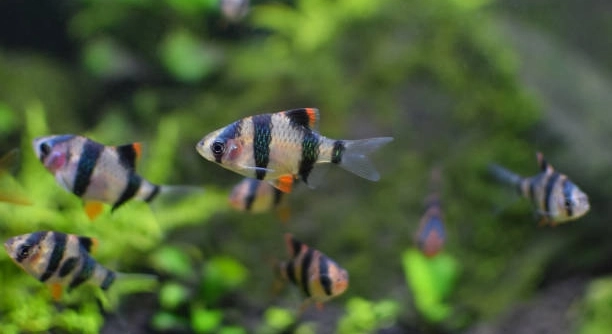
Tiger barbs are lively fish that often swim together in groups. Many aquarium owners notice they chase the same fish, which can seem confusing at first. This behavior is common and has specific reasons behind it.
Tiger barbs chase the same fish primarily due to their natural schooling and territorial instincts. They tend to focus on a single target to assert dominance, reduce threats, and maintain social hierarchy within the group, promoting stability and order in their environment.
Understanding why tiger barbs act this way can improve how you care for them and manage their tank dynamics. It reveals more about their social behavior and needs.
Why Tiger Barbs Chase Together
Tiger barbs are naturally social fish. They often swim in groups called schools, which helps them feel safer. When they chase the same fish, it is usually because they are trying to work together to protect their space or show who is in charge. This behavior comes from their instincts in the wild, where they need to keep other fish away from their territory. By focusing on one fish, they make sure the group stays strong and avoids confusion. This also helps reduce fights inside the group since everyone agrees on the target. Watching this can be interesting because it shows how they communicate without words. Their chasing is not always aggressive; sometimes, it’s just playful or a way to keep active. This kind of behavior is natural and shows how important social order is for tiger barbs in a tank.
This chasing helps tiger barbs maintain their place in the group and keep other fish at a safe distance.
When you see your tiger barbs chasing the same fish, remember they are acting on deep-rooted instincts. This means they are managing their social relationships and protecting their space. It’s a way for them to stay balanced and avoid chaos in the tank. Knowing this can help you understand why they sometimes seem so focused on one fish. It also explains why keeping enough space and hiding spots in the tank is important. If the tank is too small, the chasing can become stressful or harmful. Giving them room to swim and places to hide helps keep the peace. So, while the chasing might look intense, it’s mostly about their natural behavior and the way they live together.
How to Manage Chasing Behavior
Chasing is normal but can stress other fish.
To reduce stress in the tank, make sure there is enough space and hiding spots for all fish. Tiger barbs chase to show dominance or keep their group safe, but overcrowding can make this worse. When the tank is too small, fish have fewer places to escape, causing more tension. Providing plants, rocks, or decorations can create safe areas. It’s also helpful to keep tiger barbs in groups of at least six, so they focus on each other rather than picking on other fish. Feeding them regularly and in good amounts can reduce chasing caused by competition for food. Lastly, choosing tank mates that are fast swimmers or similarly sized can reduce the chance of bullying. Managing these factors helps create a calmer environment where all fish can live peacefully.
Understanding Tiger Barbs’ Social Behavior
Tiger barbs are naturally territorial and competitive. This makes them chase other fish to show dominance or protect their space.
Their chasing behavior is part of how they establish a social order in the tank. When they focus on one fish, it reduces confusion and helps the group stay organized. It also shows which fish are stronger or more dominant. This behavior is typical in their natural environment, where they must compete for food and shelter. Knowing this helps explain why they sometimes seem aggressive but are really just acting naturally.
Watching these behaviors closely can help you learn how to better care for your tiger barbs. It allows you to notice when the chasing might be too intense or if a fish is stressed. Paying attention to how they interact helps keep the tank balanced and peaceful for all its inhabitants.
Tank Setup to Minimize Stress
Proper tank setup can reduce chasing and stress among tiger barbs.
Providing plenty of space and hiding places helps fish escape when chased. Plants, rocks, and decorations create areas where smaller or shy fish can hide safely. Avoid overcrowding to reduce tension and aggression in the tank. Good water quality and regular feeding also keep fish healthier and calmer. When fish feel safe and well-fed, chasing becomes less frequent. Choosing compatible tank mates further lowers the risk of bullying. A balanced environment supports peaceful behavior and a happier aquarium.
Signs That Chasing Is Becoming a Problem
Chasing is normal but can cause stress if it’s constant. Watch for fish hiding too much or looking injured.
If a fish stops eating or seems weak, it may be a sign that chasing is hurting it.
How to Calm Aggressive Tiger Barbs
Adding more tiger barbs can help spread out aggression. When they have a bigger group, they focus on each other instead of other fish. Also, rearranging tank decorations can break up territories and reduce chasing. Feeding often and well keeps their attention away from constant chasing.
Choosing Tank Mates
Avoid slow or long-finned fish, as tiger barbs tend to chase these. Fast, sturdy fish work best as companions.
FAQ
Why do tiger barbs chase only one fish at a time?
Tiger barbs focus on one fish to establish clear dominance and avoid confusion within their group. Chasing a single target helps keep social order and reduces fights among themselves. This behavior also helps protect their territory by driving away perceived threats effectively.
Is it normal for tiger barbs to chase all other fish?
It is common for tiger barbs to chase other fish, especially slower or long-finned species. They are naturally active and competitive, so chasing is part of how they interact. However, constant chasing can be a problem if the tank is overcrowded or lacks hiding spots.
How many tiger barbs should be kept together?
Keeping at least six tiger barbs together helps spread out aggression and keeps the group balanced. In smaller numbers, they may become more aggressive toward other fish or even each other. A larger group helps them focus on social behaviors within their own school.
What types of fish do tiger barbs chase the most?
Tiger barbs often chase slow, peaceful fish or those with long, flowing fins. Fish like bettas, guppies, or angelfish are common targets because their fins attract attention. Fast-swimming or similarly sized fish tend to be less bothered by tiger barbs.
Can chasing behavior hurt other fish?
Yes, chasing can cause stress and injury to other fish if it becomes too intense. Fish that are chased constantly may hide, lose appetite, or develop health issues. It’s important to monitor tank behavior and make changes if chasing seems harmful.
How can I reduce chasing in my tank?
Increase tank size and add plenty of hiding places using plants or decorations. Keeping tiger barbs in groups of six or more helps. Feed your fish regularly and choose fast, sturdy tank mates. Rearranging the tank layout occasionally can also break up established territories.
Are tiger barbs aggressive by nature?
Tiger barbs have a naturally bold and active personality, which can seem aggressive. They are not aggressive to kill but chase to show dominance and keep order. Their behavior is normal but needs managing in smaller or mixed tanks.
Will tiger barbs stop chasing fish if they get enough food?
Providing enough food can reduce chasing caused by competition. Hungry tiger barbs may chase more to get food. Feeding them regularly and in good amounts helps keep their focus away from other fish.
Is it better to keep tiger barbs alone or with other species?
Tiger barbs do best in groups with other tiger barbs or fast, similar-sized fish. Keeping them alone or with slow, delicate fish can lead to stress and chasing. Balanced tank mates and numbers create a healthier environment for everyone.
What signs show that chasing is stressing my fish?
Look for hiding, faded colors, clamped fins, or loss of appetite. Injuries or torn fins also show chasing is too harsh. Stressed fish may also swim erratically or isolate themselves.
How often should I rearrange my tank to reduce chasing?
Rearranging every few weeks or months can help. Changing decorations breaks up established territories and forces fish to adjust. This can reduce aggression and chasing by refreshing the environment.
Can adding plants help reduce chasing?
Yes, plants create natural hiding spots and visual barriers. They help fish escape from chasers and feel safe. Live plants also improve water quality, which supports healthier fish.
What should I do if chasing causes injuries?
Remove injured fish to a safe quarantine tank to heal. Increase hiding spots in the main tank and consider adding more tiger barbs to spread aggression. Monitor closely and adjust tank size or mates if problems persist.
Do tiger barbs chase fish at night?
Chasing is mostly a daytime activity when fish are active. At night, fish rest, and chasing usually stops. Providing dim lighting or dark periods helps reduce stress and lets all fish recover.
Can tank size affect chasing behavior?
Yes, smaller tanks increase stress and chasing because fish have limited space to escape. A larger tank gives fish room to swim and hide, reducing constant chasing and aggression.
Are there any tank mates that completely stop tiger barbs from chasing?
No fish completely stop chasing, but fast, robust species can handle or avoid it better. Avoid slow or long-finned fish, as they attract more chasing. Careful selection of tank mates minimizes stress for all.
Tiger barbs are lively and social fish that naturally chase other fish as part of their behavior. This chasing is linked to their instincts to protect their territory and keep order within their group. When they focus on one fish, it helps them avoid confusion and shows who is in charge. While this may look aggressive, it is a normal part of how tiger barbs interact. Understanding this can help aquarium owners see that the chasing is not always harmful but is a way for tiger barbs to live naturally.
However, chasing can sometimes become a problem if the tank is too small or if there are not enough hiding places. When fish have no room to escape, chasing may cause stress or injury. It is important to provide a comfortable environment with enough space, plants, and decorations to break up territories. Feeding tiger barbs regularly also reduces competition that can lead to chasing. Choosing tank mates carefully can make a big difference too. Fish that swim fast or are similar in size tend to get chased less. Managing these factors helps keep the tank peaceful and healthy for all fish.
In the end, knowing why tiger barbs chase and how to manage their behavior makes caring for them easier. Keeping them in groups of six or more helps spread out their attention and lowers aggression. A well-set-up tank with hiding spots and proper feeding will reduce stress for everyone. Watching your fish closely will also tell you when chasing might be too much. With the right care, tiger barbs can live happily with other fish while showing their natural, lively behavior. This balance creates a better home for your aquarium and a more enjoyable experience for you.

Hello,
If you enjoy the content that we create, please consider saying a "Thank You!" by leaving a tip.
Every little bit helps us continue crafting quality advice that supports the health, happiness, and well-being of pets around the world, for pets of all shapes, sizes, and species.
We really appreciate the kindness and support that you show us!