
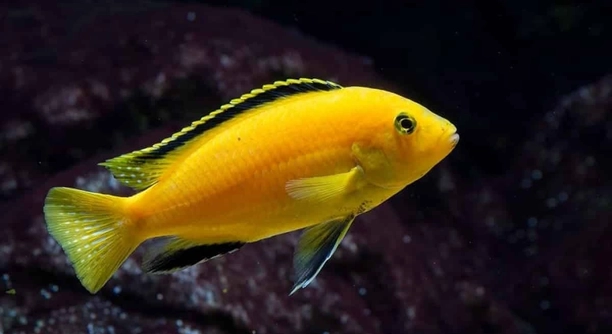
Some cichlids in home aquariums often spend hours hovering near the heater, seemingly ignoring the rest of the tank. This behavior can catch the attention of even experienced hobbyists, making them wonder about the cause behind it.
Cichlids tend to stay near the heater primarily due to temperature preference. Maintaining warmth in this specific area supports their metabolism, reduces stress, and simulates natural environments, which often helps them feel more secure and comfortable in the aquarium.
Understanding why these fish favor heated spots can help improve tank management, ensuring their health and well-being remain consistent over time.
Why Temperature Matters for Cichlids
Cichlids are sensitive to changes in water temperature. When the water is cooler than their preferred range, their metabolism slows down, and they become less active. Hovering near the heater allows them to maintain an optimal temperature, which supports digestion and energy levels. This behavior is natural, especially for species originating from warm waters in Africa and South America. Observing their position in the tank can indicate whether the overall temperature is suitable. Consistently staying near the heater may suggest that the tank’s heat distribution is uneven, which can affect their immune system. Ensuring the heater is properly placed and checking for cold spots can improve their overall comfort. Some cichlids also use warmer areas to recover from mild stress or illness, as heat can help in healing and reducing lethargy. Regular temperature monitoring ensures that all parts of the tank remain suitable for all fish.
Temperature directly impacts cichlid activity, feeding, and overall health, making proper heating essential for a balanced aquarium.
Monitoring tank conditions and adjusting heat placement improves fish behavior, energy, and long-term health for more active and comfortable cichlids.
Stress and Environmental Factors
Stress can make cichlids seek the heater more frequently.
Environmental changes like sudden water fluctuations, new tankmates, or inadequate hiding spaces can lead cichlids to hover near the heater. This area feels safer and more stable. Stress affects appetite, immune response, and activity levels, so noticing these behaviors early is important. Creating consistent conditions, including proper water chemistry and temperature, reduces stress and encourages natural behavior. Hiding spots and plants provide security while preventing constant clustering near heat.
When a cichlid constantly hovers near the heater, it is often responding to multiple factors. Temperature alone may not explain the behavior; stress, territorial disputes, or diet-related issues can also play a role. Providing consistent water quality, stable temperature, and secure spaces allows them to feel confident exploring the tank. Observing their patterns over several days can reveal whether hovering is temporary or persistent. Adjusting the environment, adding shelters, and maintaining a regular feeding schedule helps reduce prolonged heater-seeking behavior. This approach supports healthy metabolism and lowers the likelihood of stress-related illness. Monitoring their interactions with other fish ensures dominance conflicts do not exacerbate heat-seeking tendencies. Attention to these details helps maintain a balanced, calm tank ecosystem.
Diet and Feeding Habits
Cichlids often hover near the heater when digestion slows in cooler water. Warmer areas help process food more efficiently and maintain energy levels, especially after feeding. Proper diet timing and portion control can reduce prolonged clustering near heated spots.
A balanced diet with protein, vegetables, and occasional supplements supports their metabolic needs. Overfeeding or underfeeding can influence their position in the tank, with hunger or slow digestion pushing them toward warmth. Feeding smaller portions more frequently ensures consistent energy without stressing their system. Monitoring how they respond to meals provides insight into their behavior and overall health, helping prevent common digestive or nutritional issues.
Some species, particularly larger or more active cichlids, benefit from slightly warmer water after meals to aid digestion. Observing feeding patterns alongside heater use helps identify whether heat-seeking is diet-related or linked to stress, temperature imbalance, or illness. Adjusting meal sizes and timing reduces prolonged heater use. Combining proper nutrition with stable tank conditions creates a healthier environment. Additionally, alternating between different types of foods can maintain interest and support consistent growth. Paying attention to individual fish behavior allows for tailored care and ensures all cichlids thrive in their aquarium.
Tank Layout and Hiding Spaces
Cichlids cluster near the heater when they lack adequate hiding spots. Warm areas offer both comfort and security, especially for shy or territorial species.
Providing caves, plants, and decorations reduces reliance on the heater as a safe space. Fish distribute more evenly across the tank, lowering stress and improving activity. Strategic placement of these elements encourages exploration and natural behaviors. Observing where they choose to hide can inform better tank design.
The arrangement of rocks, driftwood, and plants influences how cichlids move within the aquarium. A well-structured tank with multiple hiding places ensures they feel secure without depending solely on the heater. Territorial disputes are minimized when each fish can claim a preferred spot, reducing clustering in warmer zones. Using vertical space and varying textures helps create natural territories. Balanced lighting and open swimming areas also contribute to less stress-induced heat-seeking. Maintaining these conditions promotes overall health, encouraging normal feeding, breeding, and social interactions while keeping cichlids more active throughout the tank rather than confined to heated zones.
Health and Illness
Cichlids may stay near the heater when they feel unwell. Warmer water can ease discomfort and support recovery from minor illnesses or stress-related conditions.
Changes in behavior, appetite, or swimming patterns often accompany this heat-seeking. Monitoring for signs of disease early helps prevent serious health issues and ensures timely treatment.
Seasonal Temperature Changes
During cooler months, aquarium water can drop slightly, prompting cichlids to hover near the heater more often. Temperature fluctuations affect metabolism, energy, and feeding behavior. Maintaining a stable, consistent temperature reduces stress and helps fish stay active and healthy throughout seasonal changes.
Breeding Behavior
Heaters provide stable warmth that encourages breeding. Some species prefer slightly warmer spots to prepare for spawning and caring for eggs or fry. Temperature consistency supports reproductive cycles, promoting successful breeding in home aquariums and improving fry survival rates.
Observation and Monitoring
Regularly observing cichlid behavior near the heater provides valuable insights into their health, tank conditions, and comfort levels. Adjustments can prevent long-term stress and ensure a stable environment for all fish.
FAQ
Why does my cichlid always stay near the heater?
Cichlids stay near the heater primarily to maintain a comfortable temperature. Warm water supports their metabolism, keeps them active, and reduces stress. If the rest of the tank is cooler than their preferred range, they will naturally gather in warmer areas to feel secure and healthy.
Is hovering near the heater a sign of illness?
Not always. While heat-seeking can indicate mild stress or a minor illness, it often reflects normal temperature preference. Monitor for other signs like lethargy, loss of appetite, or unusual swimming patterns. If these appear alongside heater-seeking, it may indicate a health issue requiring attention.
Can diet affect my cichlid’s behavior around the heater?
Yes. After feeding, cichlids often hover near warmer areas to aid digestion. Proper nutrition, including balanced protein and vegetables, ensures energy levels remain consistent. Overfeeding or inconsistent meals can cause prolonged clustering near the heater. Adjusting portion size and timing helps regulate this behavior.
Does tank layout influence heater-seeking behavior?
Absolutely. Cichlids use warm spots as safe zones if the tank lacks hiding spaces. Adding caves, plants, or driftwood encourages them to explore other areas, reducing clustering near the heater. Proper layout also minimizes territorial disputes and promotes natural swimming patterns.
Should I adjust the heater if my cichlid is always near it?
Not immediately. Constant hovering often reflects comfort rather than a problem. First, ensure the tank’s temperature is stable and evenly distributed. Use a thermometer to check for cold spots and make small adjustments if needed. Drastic changes can stress fish further.
Do all cichlid species prefer the same temperature?
No. African cichlids, South American cichlids, and dwarf species have different optimal temperature ranges. Researching the specific species helps maintain ideal conditions. Providing consistent warmth suited to each species reduces stress and supports normal activity and growth.
Can seasonal changes affect their heater use?
Yes. Cooler months or air-conditioned rooms can lower tank water slightly. Cichlids may hover near the heater more during these times. Using a reliable heater and monitoring temperature consistency prevents stress and keeps fish active despite external changes.
How can I tell if my cichlid is stressed or just enjoying warmth?
Observe other behaviors. A healthy fish will eat normally, swim actively, and interact with tankmates. Stress-related heater use often coincides with hiding, rapid gill movement, or reduced appetite. Tracking daily patterns helps distinguish comfort from distress.
Does water quality play a role in heater-seeking?
Yes. Poor water conditions increase stress, pushing fish toward warmer, safer areas. Regular testing for ammonia, nitrites, and nitrates, along with proper filtration, helps maintain a comfortable environment and reduces unnecessary clustering near the heater.
What else can I do to encourage natural behavior?
Provide hiding spots, maintain consistent temperature, feed balanced meals, and avoid sudden environmental changes. Observing and understanding your cichlids’ habits allows for small adjustments that improve comfort, reduce stress, and create a healthier tank overall.
Is hovering near the heater harmful long-term?
Not inherently. It becomes a concern only if it signals persistent stress, illness, or uneven tank conditions. Ensuring proper temperature distribution, adequate hiding spaces, and good diet helps prevent negative long-term effects and keeps cichlids active and healthy.
How often should I monitor their behavior?
Daily observation is best. Watching how cichlids move, feed, and interact helps identify unusual patterns early. Noticing prolonged heater-seeking alongside other changes can indicate stress or illness, allowing timely intervention before serious problems develop.
Can multiple fish share the heater area without conflict?
It depends on species and temperament. Some cichlids are territorial and may compete for warm spots. Observing interactions helps identify conflicts. Adjusting tank layout and providing multiple warm areas or hiding spots can reduce disputes and ensure all fish feel secure.
What signs indicate that the heater placement is inadequate?
Cold spots in the tank, persistent clustering near the heater, or uneven swimming patterns indicate poor heater placement. Ensuring the heater warms the tank evenly and checking with a thermometer helps maintain consistent temperatures, encouraging fish to explore rather than cluster.
Does heater-seeking behavior change as fish grow?
Yes. Juvenile cichlids may hover near the heater more frequently to maintain growth-supporting temperatures. Adult fish may move more freely if the tank temperature is consistently suitable. Monitoring different life stages helps provide appropriate care and environmental adjustments.
Are there safe temperature ranges I should follow?
Yes. Most cichlids thrive between 24°C and 28°C, but species-specific research is essential. Staying within recommended ranges prevents stress, supports digestion, and encourages natural behavior. Sudden temperature swings should be avoided to maintain long-term health.
Can I use multiple heaters to reduce clustering?
Yes. Strategically placing multiple heaters or a combination of heater and circulation devices helps distribute warmth evenly. This prevents fish from gathering in one spot and encourages movement throughout the tank, reducing territorial tension and promoting natural activity.
How long should cichlids stay near the heater each day?
There is no strict limit. Occasional hovering is normal, especially during feeding or cooler periods. Continuous clustering may signal uneven temperature, stress, or illness. Regular observation ensures that their behavior reflects comfort rather than an underlying issue.
What is the best way to balance temperature and hiding spaces?
Place hiding spots throughout the tank, including near and away from the heater. This allows cichlids to choose comfort while exploring. Combining stable heat with secure areas promotes natural behavior, reduces stress, and encourages even distribution of fish across the tank.
How does social behavior impact heater-seeking?
Dominant fish may claim the warmest spot, forcing submissive individuals to cooler areas. Observing interactions and providing multiple warm zones prevents aggression and ensures all fish have access to comfort, reducing stress and promoting healthier social dynamics.
Can heater-seeking indicate readiness to breed?
In some species, yes. Slightly warmer areas support spawning and fry development. Observing consistent heater use along with mating behaviors can indicate reproductive activity. Maintaining temperature stability is crucial for successful breeding outcomes.
Are there alternatives to heaters for maintaining warmth?
Other options include insulating tanks, using aquarium covers, or circulating warm water from a separate source. These methods can complement heaters, ensuring stable temperatures and reducing clustering, especially in larger tanks or cooler environments.
How important is gradual temperature adjustment?
Extremely important. Sudden changes stress cichlids, even if the goal is comfort. Gradual adjustment allows them to acclimate safely. Using timers or incremental heating changes ensures long-term health and consistent behavior.
Should I separate fish that hover too much near the heater?
Only if clustering causes aggression or stress to others. Usually, improving temperature distribution and tank layout resolves the issue without separating fish, maintaining social stability and comfort across the aquarium.
Does lighting affect heater-seeking behavior?
Indirectly. Bright or inconsistent lighting can increase stress, pushing fish toward warm, sheltered spots. Balanced lighting, combined with adequate hiding spaces and consistent temperature, encourages natural activity throughout the tank.
Can young or sick cichlids require more heat?
Yes. Juveniles and recovering fish may spend more time near warmer areas to maintain metabolism and energy. Monitoring these individuals ensures they receive the support needed without affecting overall tank dynamics.
How do I know if my heater is efficient?
Check temperature consistency with a reliable thermometer in multiple tank locations. If fish cluster in one spot, it may indicate uneven heating. Proper heater efficiency maintains stable conditions, encouraging healthy, distributed activity among all cichlids.
Can I combine heater use with water circulation?
Yes. Circulation helps distribute warmth evenly and reduces cold spots. It prevents clustering, improves oxygenation, and supports stable temperature conditions, enhancing overall comfort and activity in the aquarium.
How often should I test tank temperature?
Daily checks are recommended, especially if fish hover near the heater frequently. Consistent monitoring allows early adjustments, maintaining a stable environment and reducing stress-induced behavior.
What’s the best approach to prevent long-term heater dependence?
Ensure even heating, balanced diet, secure hiding spaces, and stable water conditions. Regular observation and small adjustments reduce unnecessary clustering and promote healthy, natural behavior throughout the tank.
Final Thoughts
Cichlids hovering near the heater is a common behavior that often reflects their natural preference for warmer water. In most cases, it is not a sign of serious concern but rather a way for the fish to maintain comfort and energy. Warm water supports their metabolism, keeps them active, and helps with digestion. Observing this behavior can provide valuable insight into the overall conditions of the aquarium. It allows the caretaker to see whether the tank temperature is consistent, if hiding spots are sufficient, and if the fish are experiencing any mild stress. Consistent monitoring over time helps distinguish between normal comfort-seeking and behaviors that might indicate an underlying issue. Small adjustments to tank conditions, such as improving temperature distribution or adding secure spaces, can significantly impact their health and activity. By paying attention to where the fish spend their time, one can make subtle but meaningful improvements to their environment.
Diet and feeding habits also influence how often cichlids remain near the heater. After eating, many fish prefer slightly warmer water to aid digestion and maintain energy levels. Overfeeding or irregular feeding schedules can cause them to linger near the heater for longer periods than usual. Providing a balanced diet that includes the right proportions of protein, vegetables, and occasional supplements ensures proper nutrition without overwhelming their system. Splitting meals into smaller, consistent portions can reduce prolonged clustering near the heater. Observing how individual fish respond to feeding routines can also highlight potential health concerns, allowing for adjustments before problems develop. Combined with careful temperature management and proper tank layout, a well-planned diet supports both physical health and natural behavior, helping cichlids distribute themselves more evenly throughout the aquarium.
Environmental factors and stress levels are equally important to consider. Cichlids are territorial and can become stressed by sudden changes in water quality, lighting, or the introduction of new tankmates. In these situations, the heater area can serve as a safe refuge. Providing adequate hiding spaces, caves, plants, and decorations throughout the tank encourages exploration and reduces reliance on the heater as a sole comfort zone. Maintaining stable water parameters and a consistent temperature prevents unnecessary stress, supporting healthier interactions and activity levels. Long-term monitoring of behavior, combined with small adjustments to diet, tank layout, and heating, ensures that cichlids remain healthy and comfortable. Paying attention to these details not only promotes physical well-being but also encourages natural, active behaviors, allowing these fish to thrive in a home aquarium setting while minimizing prolonged clustering near the heater.

Hello,
If you enjoy the content that we create, please consider saying a "Thank You!" by leaving a tip.
Every little bit helps us continue crafting quality advice that supports the health, happiness, and well-being of pets around the world, for pets of all shapes, sizes, and species.
We really appreciate the kindness and support that you show us!