
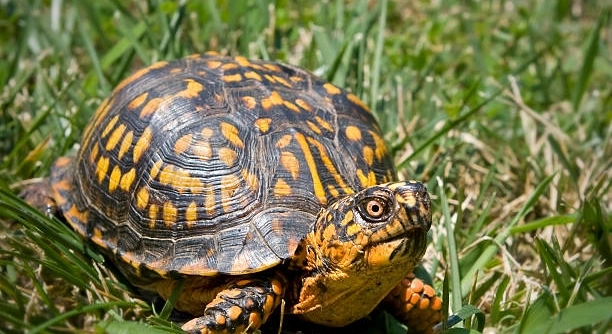
Box turtles have distinct behaviors when it comes to seeking shelter. Some prefer burrowing while others opt for hiding in various spots. Understanding why these turtles exhibit these preferences can reveal important insights into their natural habits and needs.
The primary reason some box turtles choose burrowing over hiding is that burrowing provides more security and a stable environment. By digging into the ground, they can maintain a controlled body temperature and protect themselves from predators.
Understanding these choices will help you appreciate the unique behavior of box turtles and how their natural instincts influence their survival strategies.
Why Box Turtles Need a Safe Place
Box turtles, like many other animals, need to feel safe in their environment. They seek shelters that provide protection from predators and offer a place to regulate their body temperature. Burrowing into the ground helps turtles achieve both goals. By digging into the soil, they create a refuge where they feel secure and shielded from threats. It also provides an opportunity for thermal regulation, allowing them to escape the heat or cold. For box turtles, hiding under vegetation or rocks may not be as effective in providing these benefits.
Burrowing offers them a stable and secure space, essential for survival. This is why many box turtles prefer burrowing to other hiding methods.
Their natural instincts drive them to create a safe space where they can rest, digest, or escape from predators. These behaviors are deeply rooted in their survival strategies. The effort they put into burrowing is all about ensuring they remain safe and comfortable in their habitat.
Burrowing Helps With Temperature Control
Turtles, especially box turtles, are cold-blooded creatures. This means they rely on external sources to regulate their body temperature. When they burrow, they can escape extreme heat or cold. The earth beneath them provides a more consistent and moderate environment.
Burrowing also allows them to avoid temperature fluctuations that could affect their health. The ground maintains a more stable temperature compared to above-ground environments, where sun exposure can cause overheating. This makes burrowing an effective strategy for maintaining comfort and avoiding stress from harsh weather conditions.
Turtles have the instinct to seek out the most beneficial shelter. Burrowing not only offers protection but also plays a vital role in ensuring their body temperature remains stable. It allows them to adapt to changing environmental conditions, a key factor in their survival.
Protection From Predators
Burrowing helps box turtles stay hidden from predators. While they can hide under rocks or vegetation, these spots don’t always provide complete cover. A burrow offers more protection by hiding the turtle beneath the surface, making it harder for predators to detect them. The act of burrowing can make it difficult for a predator to find the turtle, giving them a better chance of avoiding danger.
Many predators, such as foxes or raccoons, hunt by sight and scent. A well-hidden burrow prevents these animals from spotting the turtle or detecting its scent. When a turtle feels threatened, it will often burrow deep into the ground to avoid being seen.
Burrowing isn’t just a defense mechanism—it’s a natural way for turtles to protect themselves from any immediate threats. It can be a life-saving action, as hiding under the surface decreases the likelihood of encountering predators. These survival instincts are vital for the turtle’s well-being in its natural habitat.
Avoiding Harsh Weather
Box turtles are sensitive to extreme weather conditions, whether it’s too hot or too cold. When temperatures fluctuate drastically, burrowing into the ground offers a way to escape the discomfort. The earth around the turtle’s burrow provides a more stable temperature, shielding them from the harsh environment.
This instinct to dig down deep is crucial for their survival. The ground acts as a natural insulator, keeping the turtle cooler in summer heat and warmer during cold winter months. This ability to avoid environmental stressors helps box turtles maintain the proper conditions for their bodily functions.
Unlike open shelters or areas exposed to the elements, burrowing ensures that the turtle stays safe and comfortable. It’s an adaptation that has allowed them to thrive in various climates and environmental conditions. Burrowing plays a key role in their ability to handle sudden temperature changes that could otherwise harm them.
Natural Instincts
Burrowing is deeply ingrained in the box turtle’s instincts. This behavior is part of their survival mechanism, ensuring they stay safe from threats and remain comfortable in fluctuating conditions. The drive to dig and hide is essential for their protection and overall well-being.
This instinctual behavior helps turtles avoid situations that could lead to harm. It’s more than just a reaction to danger; burrowing serves as a way to maintain a sense of security and stability in an unpredictable world. Over time, it has become second nature for these turtles.
Creating a Nest
Female box turtles often use burrowing to create nests for their eggs. After mating, they search for a safe and quiet spot to dig a hole where they can lay their eggs. This is a critical process in their reproduction cycle.
The nest provides a secure environment for the eggs, keeping them safe from predators while ensuring the young have a safe place to hatch. After laying their eggs, female turtles cover them with soil to further protect the nest. The burrow helps maintain the eggs’ temperature, which is important for proper development.
Protection from Moisture Loss
Box turtles are prone to dehydration, especially in dry conditions. Burrowing provides them with access to moisture in the soil, which helps prevent dehydration. By staying underground, they reduce the chances of losing too much moisture from their bodies.
Staying in moist soil allows the turtle to maintain hydration, a key factor for their overall health. It’s a simple yet effective way for them to survive in environments that can sometimes lack water sources. Burrowing is more than just a physical shelter—it’s a way to manage moisture levels in their body.
FAQ
Why do box turtles burrow?
Box turtles burrow for multiple reasons, with protection from predators being one of the most important. Burrowing provides them with a safe, hidden space that is harder for predators to reach. The burrow also helps them maintain a stable body temperature and avoid extreme weather conditions. By digging into the ground, box turtles can escape the heat or cold that might harm them if they remained exposed. Additionally, burrowing is an instinctive behavior that helps them create a secure environment for laying eggs and keeping their offspring safe.
How deep do box turtles burrow?
The depth of a box turtle’s burrow depends on several factors, including the species, the environment, and the purpose of the burrow. Typically, box turtles will dig a burrow around 4 to 6 inches deep, though it can vary. Some box turtles may dig deeper, especially when they are trying to avoid cold weather or predators. Female box turtles may also dig deeper when creating nests for their eggs, as the deeper burrows provide more protection for the eggs and better insulation.
Do box turtles dig their burrows all year?
Box turtles don’t burrow all year, but they do dig when necessary. During the warmer months, they will burrow to escape predators, regulate their temperature, or find a suitable nesting site. In winter, many box turtles enter a state of dormancy known as brumation, where they burrow deeper into the ground to escape the cold and conserve energy. The depth and location of the burrow depend on the environment, as the turtle seeks a space that provides the right temperature and humidity levels to stay alive during the cold months.
Can box turtles live in a burrow for extended periods?
Yes, box turtles can live in a burrow for extended periods, especially during times when conditions are not ideal for being above ground. When temperatures are too high or too low, box turtles may burrow to stay safe and maintain a stable body temperature. This can last for several weeks or even months, depending on the time of year and the climate. For example, in winter, box turtles may burrow as they enter brumation, a period of slowed metabolism where they remain underground for the colder months.
How do box turtles find a place to burrow?
Box turtles use their keen instincts and environmental cues to find a suitable place to burrow. They often look for areas with soft, loose soil or areas near vegetation that offer some cover. The presence of moisture in the soil is another factor, as box turtles need to stay hydrated and prefer burrowing where the ground is moist. The turtle may also dig near objects like fallen leaves or rocks to create a more sheltered, secure space. In addition to instinct, box turtles might also choose a location based on previous experiences in the area.
Do box turtles cover their burrows?
Yes, box turtles will cover their burrows after digging, especially when they are laying eggs. Covering the burrow helps to keep the eggs hidden and protected from predators. It also helps maintain the right moisture and temperature for the eggs, increasing the chances of successful hatching. When they are not nesting, box turtles may cover the entrance of their burrow to make it less obvious to potential threats. The act of covering the burrow further enhances their safety and ensures their shelter remains secure.
What kind of environment do box turtles prefer for burrowing?
Box turtles prefer environments that offer a balance of safety, moisture, and temperature regulation. They typically look for areas with loose, sandy, or well-drained soil that is easy to dig. A place with some vegetation or debris nearby is ideal, as it provides cover and additional protection from predators. Box turtles also favor areas with moderate humidity, which helps them stay hydrated. Environments near water sources, such as ponds or streams, are also appealing, as they offer access to moisture when the turtle needs it.
Do box turtles always burrow in the same spot?
While box turtles may return to a favorite spot, they don’t always burrow in the same place. They have a range of areas they might choose, depending on the time of year, weather conditions, and the need for safety or nesting. Box turtles are highly adaptable and will move to different locations as needed. However, if a turtle has found a particularly secure spot for burrowing, it may return there seasonally, especially if the environment remains stable and favorable. Their ability to adapt their burrowing locations helps ensure their survival.
Can box turtles burrow to escape danger?
Yes, box turtles can burrow to escape danger. When they sense a threat, such as a predator, they instinctively dig into the ground to hide. This rapid burrowing helps them create a protective space where they can stay out of sight and evade detection. Once they have burrowed deep enough, the turtle remains still and hidden, waiting for the danger to pass. This behavior is a key survival mechanism, allowing box turtles to avoid predators and ensure their safety until the threat has subsided.
How long do box turtles stay in their burrows?
The amount of time box turtles stay in their burrows depends on the situation. During cold weather, they may stay underground for weeks or even months as they enter brumation. In warmer months, they may spend only a few hours or days in a burrow before emerging to feed or bask in the sun. The length of time spent in a burrow is determined by the turtle’s need for protection, moisture, and temperature regulation. In general, they will stay in their burrow until the conditions outside are more favorable.
Final Thoughts
Box turtles have unique behaviors that help them survive in various environments, and burrowing is one of their most important instincts. It provides them with safety from predators and protection from extreme weather conditions. When they burrow, box turtles create a hidden space where they can stay safe, regulate their body temperature, and even stay hydrated. This natural instinct to dig and hide ensures that they are secure, whether it’s from predators looking for a meal or the unpredictable weather. For box turtles, burrowing isn’t just about finding shelter, it’s about survival.
The ability to dig into the earth and find a safe place allows box turtles to thrive in different environments. In the wild, they rely on their burrowing habits to maintain their comfort and well-being. This skill is deeply rooted in their instincts and plays a significant role in their long-term survival. It also allows them to adapt to changes in their surroundings, whether it’s a shift in the weather or the presence of predators. Burrowing offers them a secure environment where they can rest, digest, and even lay their eggs, ensuring the continuation of their species.
By understanding the behavior of box turtles and their need to burrow, we can better appreciate the complexity of their survival strategies. These creatures have evolved over time to use burrowing as a tool for protection, temperature regulation, and even reproduction. Whether they are digging to escape the heat of summer or creating a safe place to lay their eggs, burrowing is a vital part of their life cycle. Respecting and protecting their natural behaviors ensures that these fascinating creatures can continue to thrive in the wild for years to come.

Hello,
If you enjoy the content that we create, please consider saying a "Thank You!" by leaving a tip.
Every little bit helps us continue crafting quality advice that supports the health, happiness, and well-being of pets around the world, for pets of all shapes, sizes, and species.
We really appreciate the kindness and support that you show us!