
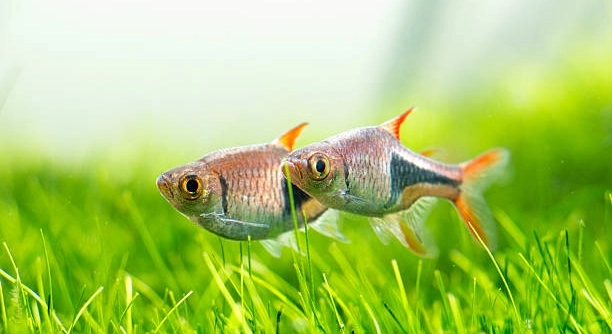
Do your Rasboras tend to stay huddled in one corner, making you wonder if something might be off in their tank?
Rasboras often stay in one corner due to stress, improper water conditions, low temperatures, or a lack of hiding spaces. These environmental factors can impact their behavior and overall health, leading to corner-huddling habits.
Understanding what’s causing this behavior can help you create a more suitable and comfortable space for your Rasboras to thrive.
Common Reasons Rasboras Stay in One Spot
Rasboras are known for their calm schooling behavior, but when they cluster in one corner, it’s often a sign something isn’t right. Poor water quality is one of the main triggers. High ammonia or nitrite levels can make fish uncomfortable or even sick, leading them to seek a single space where they feel safest. Temperature also matters—if the water is too cold or fluctuates too often, Rasboras may become inactive and retreat. Low oxygen levels, lack of plant cover, or the presence of aggressive tank mates can also influence this corner-hugging behavior. Changes in their environment, like new decor or loud noise near the tank, may increase stress. Even low lighting can affect their comfort and activity levels. Keeping a stable tank with the proper setup and minimal disturbances is key. Observing their body language and checking water parameters should always be the first step when this behavior appears.
Always check for signs of stress like faded colors, clamped fins, or rapid breathing.
A calm tank with soft lighting, gentle filtration, and safe hiding spots helps your Rasboras feel more secure. When they feel safe, they’ll swim more freely. Group behavior is also important—Rasboras thrive in schools, so keeping them in groups of six or more encourages natural activity.
How to Help Your Rasboras Feel Safe Again
Start by testing your water.
Check ammonia, nitrite, nitrate, and pH using a reliable test kit. Make sure your tank is fully cycled before adding Rasboras. If ammonia or nitrite levels are above zero, do a partial water change right away. Also, make sure the tank temperature stays stable—between 72°F and 78°F is ideal. A heater with a thermostat can help regulate this. Next, look at the tank layout. Add live or silk plants, especially near the back and sides. Rasboras use them for cover. If the tank is too bright, consider dimming the light or adding floating plants. Avoid loud noises or sudden movements near the tank. Finally, check your fish community. Larger or more aggressive species may be making your Rasboras nervous. Stick to peaceful tank mates and ensure your Rasboras are not outnumbered. Once these conditions are improved, you’ll likely see your fish exploring more areas of the tank.
Other Factors That Affect Rasbora Behavior
Sudden changes in their surroundings can affect Rasboras more than you might expect. Moving decorations, shifting plants, or changing lighting too often can make them feel unsure, leading them to stay in one area of the tank.
Noise and vibrations outside the tank may also impact their comfort. Loud music, heavy foot traffic, or a tank placed near a door can make Rasboras more skittish. Additionally, overcleaning the tank or disturbing their layout too often can cause anxiety. They prefer stable environments where they can memorize their surroundings. Even strong currents from the filter can discourage movement, especially if they feel pushed around. Feeding routines matter too—if feeding is inconsistent, they may associate one spot with food and stick to it. Watching their behavior closely can help you spot subtle shifts and decide whether tank maintenance or external factors are causing stress.
If your Rasboras are new to the tank, give them time. Fish need days or even weeks to adjust. Avoid adding too many changes during this time, and let them settle naturally. Keep the lights low for a few days, and feed lightly but consistently. Over time, you’ll see them swimming more freely in groups.
When to Worry About Corner-Huddling
If your Rasboras stay huddled for several days with no change, something may be wrong. Watch for clamped fins, rapid gill movement, or faded color, which can point to illness or environmental stress.
Check your filter and make sure it’s functioning well without creating strong currents. Review your water parameters again, even if you’ve done it recently. Sometimes ammonia spikes happen suddenly, especially in newer tanks or after a change in feeding. If multiple fish are acting the same way, and there are no signs of aggression or fear from other species, illness might be spreading. Internal parasites, gill flukes, or bacterial infections can cause lethargy and odd swimming patterns. You might notice them hovering in one place with little interest in food. Quarantine new fish before introducing them to prevent this. If symptoms get worse or spread, consult an aquatic vet or seek help from a trusted aquarium forum for further steps.
Tank Mates and School Size
Keeping Rasboras in small groups can cause stress. They are schooling fish and feel safest in groups of six or more. A larger school encourages natural swimming and helps them feel more secure in open areas of the tank.
Avoid pairing Rasboras with fin-nippers or large, active fish. Peaceful tank mates like small tetras or Corydoras are better. Aggressive or fast fish can intimidate them, pushing them into corners. Watching your fish interact helps you catch signs of stress or bullying early.
Importance of Hiding Places and Plants
A tank with plenty of cover can reduce stress. Use live or artificial plants, caves, and driftwood to create shaded areas where Rasboras can rest. These hiding spots help them feel protected and reduce the urge to stay in just one corner. Spread the cover throughout the tank to encourage exploration. Floating plants also help by blocking bright light. When fish feel secure, they move around more freely and display better colors. Try not to overcrowd the tank, though. Leave enough open space for swimming, especially in the middle area where Rasboras usually prefer to stay active.
Feeding and Tank Lighting
Feed small amounts once or twice a day. Uneaten food can ruin water quality and affect behavior.
Keep lighting soft and consistent. Bright, harsh lights can make Rasboras feel exposed. Aim for gentle lighting and use floating plants if needed.
FAQ
Why do Rasboras stay in one corner even when the water parameters are fine?
Even if the water tests look good, Rasboras might still feel unsafe due to other stress factors. Loud noises near the tank, sudden lighting changes, or aggressive tank mates can make them hide in one spot. If your tank layout lacks plants or shaded areas, they may not feel secure enough to swim freely. Make sure the current isn’t too strong either—Rasboras don’t like being pushed around. Environmental comfort goes beyond just water quality, so take a look at the full setup and daily activity around the tank.
Can Rasboras get lonely or bored if kept in small groups?
Yes, Rasboras do best in groups of six or more. In smaller groups, they can become anxious and inactive. They are social fish and rely on their school to feel safe. Without enough companions, they often hide or stay in one corner. A proper school size encourages healthy activity and improves their overall well-being. It also helps spread out any signs of stress so that no single fish feels isolated. Adding a few more Rasboras, if space allows, can quickly change their behavior and bring more life to the tank.
Are certain tank mates not suitable for Rasboras?
Avoid pairing Rasboras with aggressive or large fish. Fish like tiger barbs, large cichlids, or even active bettas may chase or intimidate them. This kind of pressure can force Rasboras to hide or bunch together in one spot. Instead, choose calm tank mates like dwarf gouramis, neon tetras, or Corydoras. Also, avoid keeping them with very active surface feeders, as Rasboras may get pushed aside during feeding time. Always monitor new combinations closely, especially during the first few days of introduction.
What temperature is best for Rasboras?
Rasboras prefer temperatures between 72°F and 78°F (22°C to 26°C). Sudden drops or unstable heat can cause them to become inactive. Use a reliable heater with a thermostat to avoid sharp changes. Cold tanks slow their metabolism and make them sluggish, while too-warm water lowers oxygen levels. Keeping the temperature steady within their comfort range helps them stay active and healthy. Make sure to check the temperature daily, especially during seasonal shifts or if your tank is near windows or heaters.
Do Rasboras like a heavily planted tank?
Yes, Rasboras do well in tanks with lots of plants. Plants offer cover and break up sight lines, helping reduce stress. They also block harsh lighting, which Rasboras often dislike. Floating plants are especially helpful for shading and comfort. A mix of tall background plants and shorter mid-ground options creates a safe environment. However, leave some open swimming space in the center. Rasboras enjoy darting in and out of cover but still need room to move in their usual schooling patterns.
Why do Rasboras act shy after being introduced to a new tank?
When first added to a new tank, Rasboras can take days or even weeks to adjust. They may hide, stay low, or bunch together in a corner during this time. New surroundings, unfamiliar water chemistry, and different lighting can all feel overwhelming. Limit changes during the first few days and keep noise low. Avoid tapping on the glass or moving decorations. Gradually, as they feel safer, they’ll begin exploring more and behaving normally. Introducing them in a group helps shorten the adjustment period.
Can filter current make Rasboras stay in one spot?
Yes, a strong current can stress Rasboras. They prefer gentle, slow-moving water. If your filter output is too powerful, Rasboras might avoid the flow and stick to a corner where the water is calmer. Use a sponge filter or adjust the direction of the output to reduce flow. Placing plants or decorations near the output can also help break up the current. Watch your fish while the filter is running—if they’re constantly swimming against the flow or being pushed back, the current may need adjusting.
What should I do if only one Rasbora stays in the corner?
If a single Rasbora isolates itself, it could be sick, injured, or bullied. Check for physical signs like torn fins, white spots, or rapid breathing. It may also be reacting to poor water conditions before the others show symptoms. Test the water and observe tank dynamics. Sometimes, adding more hiding places or rearranging decor can stop aggression from other fish. If the behavior continues, move the Rasbora to a quarantine tank for closer monitoring and care. Early action can often prevent bigger problems in the main tank.
How long does it take for stressed Rasboras to act normal again?
It depends on the cause of the stress. If it’s related to water quality, changes can sometimes help within a day or two. For environmental stress, like noise or bullying, it may take longer. Newly added fish may need several days to adjust. Keep lighting soft, avoid sudden movements, and feed small amounts consistently. With stable conditions and a calm environment, you’ll usually see them become more active within a week. If nothing changes after that, investigate further for hidden issues.
Final Thoughts
Rasboras are peaceful fish that thrive in calm, stable environments. When they stay in one corner, it’s often a sign that something in their surroundings isn’t quite right. It could be the water quality, tank mates, lighting, or even the layout of the tank. While this behavior may seem small at first, it can be an early sign of stress or discomfort. Paying attention to these small changes in behavior can help you catch problems early and create a more comfortable space for your fish. Rasboras are sensitive to their environment, so even small adjustments can make a big difference in how they behave and feel.
Providing the right conditions helps Rasboras feel safe and encourages them to swim more freely. Keeping the water clean, the temperature stable, and the tank peaceful goes a long way. Adding more plants, keeping a proper school size, and choosing gentle tank mates also supports their natural behavior. Rasboras like to explore, but they won’t do so unless they feel protected. A well-balanced tank doesn’t just look better—it also helps the fish stay healthy. When everything in the tank works together, you’ll notice your Rasboras moving as a group, showing more color, and spending less time hiding in corners.
It’s always good to take your time when adjusting things in the tank. Avoid making too many changes at once. Instead, observe your fish closely, give them space to settle, and respond slowly to their needs. Sometimes it’s just a matter of giving them a little more time to adapt, especially if they are new. Other times, it means looking deeper at the environment and making thoughtful changes. Rasboras are small, but their behavior can tell you a lot if you know what to look for. With patience and simple care, they’ll feel more at ease—and you’ll get to enjoy watching their gentle movements and natural schooling behavior as they move confidently through the tank.

Hello,
If you enjoy the content that we create, please consider saying a "Thank You!" by leaving a tip.
Every little bit helps us continue crafting quality advice that supports the health, happiness, and well-being of pets around the world, for pets of all shapes, sizes, and species.
We really appreciate the kindness and support that you show us!