
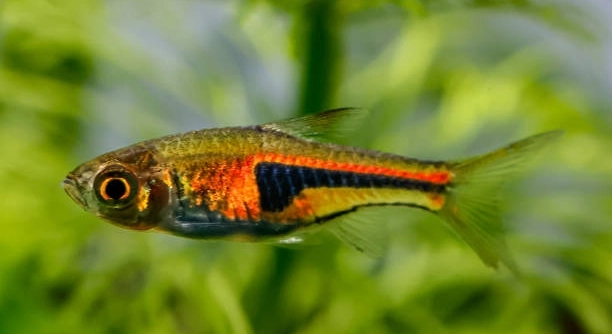
Many aquarium enthusiasts notice that their rasboras respond when they place their hand near the tank. These small, colorful fish often swim closer or follow movements outside their environment. Understanding why they react can deepen your connection with them.
Rasboras respond to your hand primarily due to conditioned behavior linked to feeding times and their natural curiosity. Over time, they associate the presence of a hand with food, causing them to approach. This behavior also relates to their social and exploratory nature within their habitat.
This article will explore the reasons behind this interaction and what it reveals about rasbora behavior and care.
How Rasboras Learn to Associate Your Hand with Food
Rasboras are quick learners when it comes to recognizing patterns in their environment. When you approach the tank regularly at feeding times, they begin to link your hand’s presence with being fed. This association makes them swim closer, expecting food. Their natural curiosity also encourages them to investigate anything new or moving outside their tank. Over time, this behavior becomes more pronounced as they become more comfortable with their surroundings. In addition, rasboras are schooling fish, so when one moves toward your hand, others often follow, reinforcing the reaction. This response is not a sign of domestication but rather a simple learned behavior combined with their instinct to explore.
Recognizing this connection can improve your interaction and make feeding more engaging for your rasboras.
The way rasboras respond to your hand offers insight into their intelligence and social habits. This learned behavior helps them adapt and thrive in their aquatic environment.
The Role of Sensory Perception in Rasbora Behavior
Rasboras rely heavily on their senses to interact with their environment. Their lateral line system detects vibrations and movements in the water, helping them notice when something approaches. Your hand creates subtle water movements, which they can sense, prompting their approach. Additionally, their vision helps them identify shapes and colors outside the tank. Movement near the tank’s surface mimics natural stimuli, encouraging investigation. This sensory awareness is vital for their survival, alerting them to potential food sources or threats. Understanding this helps explain why rasboras seem so responsive and attentive when you move your hand nearby. It’s not only a learned response but also an instinctive reaction driven by their sensory capabilities.
These factors combined explain why rasboras react consistently and make your interactions with them more rewarding.
Feeding Time Encourages Hand Interaction
Rasboras quickly learn to associate your hand with food. This makes them swim toward it whenever you approach the tank during feeding.
This behavior happens because rasboras are conditioned by repeated feeding routines. When they see your hand, they expect a meal. Over time, this creates a pattern where your hand signals feeding time. Their natural curiosity also encourages them to check out movement near their space. This combination makes them actively respond, which can be rewarding to observe.
Hand feeding can strengthen your connection with your fish, making feeding time more interactive. It also helps monitor their health by observing how eagerly they respond.
Safety and Comfort in Familiar Movements
Rasboras feel safer when movements around their tank are predictable and gentle. Sudden or harsh motions can scare them away, but your calm hand signals safety.
A steady approach mimics natural conditions where small water movements are normal. Rasboras use this to assess if the environment is secure. Over time, they recognize your presence as non-threatening, which encourages them to swim closer. This trust develops slowly but makes the fish more confident and interactive. Familiarity with your hand also reduces stress, supporting their overall wellbeing. Gentle and consistent motions show respect for their comfort zone.
Movement Triggers Curiosity
Rasboras are naturally curious fish that explore changes in their environment. Movement near the tank captures their attention and encourages them to investigate.
This behavior helps them find food and stay aware of their surroundings. Your hand’s motion mimics natural stimuli that attract their interest and engagement.
Building Trust Through Consistency
Repeated, gentle interaction helps rasboras feel safe around your hand. Consistent feeding times and calm movements create a positive association.
This routine makes the fish less skittish and more willing to approach, strengthening your connection and improving their comfort in the tank.
Visual Recognition
Rasboras use sight to recognize shapes and movement. Your hand’s presence is a visual cue they learn to associate with feeding.
Sensory Adaptation
Over time, rasboras adapt to the sensations created by your hand, responding more reliably with each interaction.
FAQ
Why do my rasboras swim to my hand but don’t eat from it?
Rasboras often associate your hand with feeding time, so they swim closer expecting food. However, they usually prefer eating from the tank surface or from the water itself rather than directly from your hand. Their natural feeding behavior makes them cautious about unusual feeding spots, so swimming to your hand is mostly about curiosity and anticipation.
Can my hand’s movement stress out the fish?
Yes, sudden or fast hand movements can startle rasboras and cause stress. These fish feel safer with slow, predictable motions. Quick or aggressive actions near the tank may scare them, causing them to hide or swim away. It’s best to keep hand movements calm to maintain their comfort and trust.
Is it safe to put my hand in the tank?
Generally, putting your hand in the tank is safe if you wash it thoroughly and avoid using soaps or lotions beforehand. Chemicals on your skin can harm fish or disrupt water quality. Also, make sure your nails are smooth to prevent accidental injury to the fish. Regular, gentle hand presence helps rasboras become familiar with you without causing harm.
Why do rasboras sometimes ignore my hand after responding for a while?
Fish behavior can change due to stress, water conditions, or health issues. If your rasboras stop responding, check water parameters and tank conditions. Sometimes, they may become less interested if feeding schedules change or if they feel threatened by loud noises or sudden environmental changes.
Can I train my rasboras to come to my hand on command?
Rasboras can learn to associate your hand with food over time, which is a form of conditioning. Consistent feeding at the same spot and time encourages this behavior. However, they do not respond like pets trained for tricks. Patience and repetition help reinforce their recognition, but they will always act mostly on instinct.
Do rasboras see my hand as a threat?
Initially, your hand may seem unfamiliar and could be perceived as a potential threat. Over time, with calm and consistent interaction, they learn your hand is harmless and linked to feeding. This recognition reduces fear and increases their willingness to approach.
How does the tank environment affect my rasboras’ response to my hand?
A well-maintained tank with stable water conditions and enough hiding spots helps rasboras feel safe. Fish in stressful or overcrowded tanks may hide more and avoid interaction. A calm environment supports their natural behavior, including approaching your hand during feeding times.
Will my rasboras stop responding if I change their diet?
Changing food type or feeding method can temporarily affect how your rasboras respond. If they no longer expect food from your hand, they may stop swimming toward it. Consistent feeding routines, regardless of diet changes, help maintain their response.
Are all rasbora species equally responsive to hand movements?
Not all rasbora species behave the same way. Some are naturally more timid, while others are more curious and social. The common harlequin rasbora tends to be more interactive, but responses depend on individual temperament and tank conditions.
What should I do if my rasboras seem stressed by my hand’s presence?
Reduce the frequency and speed of your hand movements near the tank. Observe their reactions and give them space if they hide or show signs of distress. Improving water quality and adding plants or decorations can provide more comfort, encouraging a positive response over time.
Rasboras responding to your hand is a mix of natural instincts and learned behavior. They recognize the movement and associate it with feeding, which makes them curious and more willing to approach. This response shows how adaptable and observant these fish are in their environment. It also reflects their social nature, as they often follow each other when one moves toward your hand. Understanding this behavior can help improve how you care for them and interact during feeding times.
Maintaining a calm and consistent routine is important for building trust with your rasboras. Gentle hand movements and regular feeding schedules create a safe atmosphere where the fish feel comfortable. Sudden motions or irregular patterns can cause stress and make them shy away. The more familiar your hand becomes, the more relaxed they are likely to be, which makes feeding more enjoyable for both of you. Watching them respond positively also gives you a chance to monitor their health and wellbeing closely.
It’s essential to consider the tank environment when trying to engage with your rasboras. Clean water, proper temperature, and enough hiding spots contribute to their comfort and willingness to interact. Stress from poor conditions can reduce their responsiveness and overall activity. By providing a stable and peaceful habitat, you support their natural behaviors, including how they react to your presence. Taking these simple steps creates a better experience and helps your rasboras thrive in their home.

Hello,
If you enjoy the content that we create, please consider saying a "Thank You!" by leaving a tip.
Every little bit helps us continue crafting quality advice that supports the health, happiness, and well-being of pets around the world, for pets of all shapes, sizes, and species.
We really appreciate the kindness and support that you show us!