
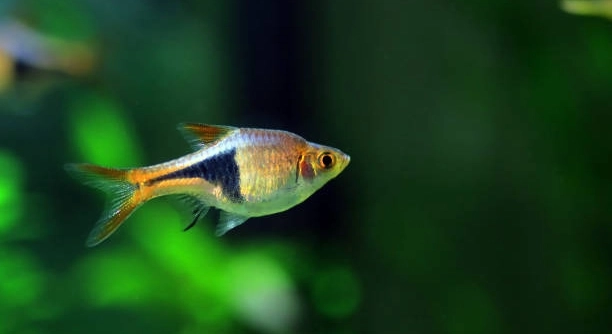
Rasboras are small, colorful fish popular in home aquariums. Observing their behavior can be interesting, especially when they swim with their bellies down. This unusual posture often catches the attention of aquarium enthusiasts.
Rasboras swim with their bellies down mainly due to health issues, water quality problems, or stress. This behavior can indicate swim bladder disorders or infections, which affect their buoyancy and balance, causing them to tilt downward while swimming.
Understanding why rasboras show this behavior helps fish owners provide better care. Learning the causes and solutions ensures the well-being of these delicate fish in a home environment.
Common Causes of Belly-Down Swimming in Rasboras
One frequent reason rasboras swim with their bellies down is a swim bladder disorder. The swim bladder is an internal organ that helps fish maintain buoyancy. When it malfunctions, the fish struggles to stay balanced and may tilt downward. This issue can arise from infections, constipation, or physical injury. Another cause is poor water quality. High levels of ammonia, nitrites, or nitrates stress the fish and can impact their health. Stress itself, from overcrowding or sudden changes in the environment, may also lead to abnormal swimming behaviors. Identifying these causes quickly is important because it allows timely treatment and prevents worsening conditions. Proper tank maintenance, including regular water testing and changes, can greatly reduce the risk of these problems. Feeding a balanced diet and avoiding overfeeding also supports swim bladder health and overall well-being.
Maintaining clean water and a stable environment is key to preventing belly-down swimming in rasboras. Early intervention can improve their condition significantly.
To help rasboras recover, start by testing the water parameters. Address any imbalances immediately to reduce stress. Consider fasting the fish for a day or two if constipation is suspected, followed by feeding high-fiber foods like peas. Avoid overcrowding the tank, and maintain a consistent temperature. If symptoms persist, consulting a vet or specialist in fish health may be necessary for diagnosis and treatment options.
Water Quality and Environmental Factors
Water quality directly affects rasbora health and behavior. Poor conditions can cause physical discomfort and stress, leading to belly-down swimming.
Keeping the tank clean with regular water changes is essential. Using a good filtration system and monitoring temperature and pH levels helps create a stable habitat. Environmental stressors like sudden noise or bright lights may also disturb fish, so maintaining a calm environment is beneficial. Creating natural hiding spots with plants can reduce stress and encourage normal swimming patterns. By focusing on these factors, fish owners improve their rasboras’ chances of staying healthy and active.
Diagnosing Swim Bladder Issues
Swim bladder problems usually show signs like difficulty swimming upright and belly-down posture. Observing these symptoms early can make treatment more effective.
Carefully monitor your rasboras for signs such as tilted swimming, loss of balance, or floating on their sides. These indicate swim bladder dysfunction, often caused by constipation, infection, or injury. Testing water quality is essential, as poor conditions worsen symptoms. Treating constipation with fasting and feeding peas helps, while infections may require antibiotics. If unsure, seeking advice from a fish health professional is important to avoid worsening the condition.
Regular observation and quick action are crucial to managing swim bladder issues. Timely treatment supports recovery and prevents long-term harm to your fish.
Feeding Habits and Their Effects
Overfeeding or improper diet can cause digestive issues that lead to swim bladder problems. Feeding the right amount and type of food helps maintain fish health.
Feeding your rasboras a balanced diet is important to prevent constipation, a common cause of swim bladder problems. Avoid overfeeding, as excess food can pollute the water and upset digestion. Including fiber-rich foods like blanched peas can aid digestion and reduce the risk of swim bladder dysfunction. Feeding smaller portions several times a day rather than one large meal helps maintain good digestion and overall health. Keeping to a regular feeding schedule also reduces stress and supports stable swimming behavior.
Stress and Its Impact on Rasbora Behavior
Stress can cause rasboras to swim belly down as a response to discomfort or fear. Reducing stress is essential for their well-being.
Common stressors include sudden changes in water temperature, overcrowding, and aggressive tank mates. Creating a calm, stable environment helps prevent stress-related swimming problems.
Tank Setup and Space Requirements
Rasboras need enough space to swim freely. A cramped tank can lead to stress and abnormal swimming behaviors.
Providing at least 10 gallons for a small group ensures they have room to move. Adding plants and hiding spots mimics their natural habitat and reduces stress, encouraging normal swimming patterns.
When to Seek Professional Help
If swim bladder problems persist despite proper care, consulting a fish veterinarian or specialist is important for diagnosis and treatment.
Early professional advice can prevent complications and improve the chances of recovery for affected rasboras.
FAQ
Why does my rasbora swim belly down suddenly?
Sudden belly-down swimming usually indicates a swim bladder problem, stress, or water quality issues. Changes in tank conditions, infection, or constipation can cause this behavior. It’s important to check water parameters immediately and observe your fish for other signs like lethargy or loss of appetite. Fast action can help prevent serious health problems.
Can poor water quality cause swim bladder problems in rasboras?
Yes, poor water quality is a common cause. High levels of ammonia, nitrites, or nitrates create a toxic environment that stresses fish and affects their organs. Regular water testing, proper filtration, and frequent water changes keep the tank safe and reduce the risk of swim bladder and other health issues.
How can I treat swim bladder disease in my rasbora?
Treatment depends on the cause. If constipation is suspected, fasting the fish for 24-48 hours followed by feeding peas can help. If infection is the cause, appropriate antibiotics may be necessary. Always ensure water conditions are optimal during treatment. If symptoms persist, consult a specialist for accurate diagnosis and care.
Is diet linked to swim bladder problems?
Yes, diet plays a big role. Overfeeding or feeding low-quality foods can cause constipation, which leads to swim bladder dysfunction. Feeding small amounts of varied, high-quality food and including fiber-rich options like peas promotes healthy digestion and buoyancy control.
Can stress cause rasboras to swim belly down?
Stress affects their swimming patterns. Factors like overcrowding, sudden changes in temperature, or aggressive tank mates create stress. Providing enough space, stable conditions, and peaceful companions reduces stress, encouraging normal swimming behavior.
How much space do rasboras need to swim properly?
Rasboras need enough space to move freely to avoid stress and injury. A minimum of 10 gallons for a small group is recommended. A larger tank with plants and hiding spots mimics their natural environment and supports their health and comfort.
What water parameters are best for rasboras?
Ideal water parameters include a temperature of 72-79°F (22-26°C), pH between 6.5 and 7.5, and low ammonia and nitrite levels (both zero). Maintaining these conditions keeps rasboras healthy and reduces the risk of swim bladder and other health issues.
When should I seek professional help for my rasbora?
If swim bladder symptoms last more than a few days despite proper care, or if the fish shows other signs like severe lethargy, swelling, or difficulty breathing, consult a fish veterinarian or aquatic specialist. Early professional intervention increases chances of recovery.
Can swim bladder problems be prevented?
Prevention is possible by maintaining clean water, feeding a balanced diet, avoiding overcrowding, and minimizing stress. Regular observation helps catch early signs of illness, allowing prompt action to prevent swim bladder issues.
Are certain rasbora species more prone to swim bladder problems?
Some species may be more sensitive due to body shape or genetics, but all rasboras can develop swim bladder issues if conditions are poor. Providing optimal care and environment reduces the risk for any species.
Rasboras are delicate fish that require careful attention to thrive in a home aquarium. When they swim with their bellies down, it often signals a health or environmental issue that needs addressing. Understanding the reasons behind this behavior helps owners take timely steps to support their fish’s recovery. Common causes include swim bladder disorders, poor water quality, stress, and dietary problems. By identifying these factors early, you can improve your rasboras’ living conditions and help them return to normal swimming patterns.
Maintaining a clean and stable environment is one of the most important things you can do for your rasboras. Regular water changes, proper filtration, and monitoring water parameters create a safe habitat that reduces stress and illness. Feeding the right amount and type of food also plays a key role in preventing digestive issues that affect buoyancy. Additionally, providing enough space and adding plants or hiding spots can make your fish feel secure. These steps promote overall health and minimize the chances of belly-down swimming caused by discomfort or distress.
If you notice your rasboras swimming with their bellies down, take action quickly by checking water quality, reviewing feeding habits, and observing their behavior closely. In some cases, fasting or feeding fiber-rich foods like peas can relieve swim bladder problems. However, if symptoms persist, seeking professional advice is important to avoid complications. By keeping a close eye on their environment and health, you can enjoy watching your rasboras swim gracefully and remain healthy for a long time.

Hello,
If you enjoy the content that we create, please consider saying a "Thank You!" by leaving a tip.
Every little bit helps us continue crafting quality advice that supports the health, happiness, and well-being of pets around the world, for pets of all shapes, sizes, and species.
We really appreciate the kindness and support that you show us!