
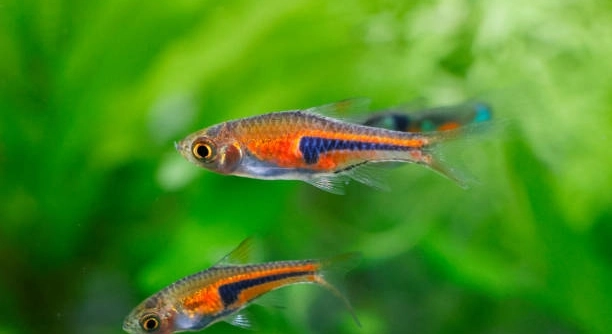
Do you ever find yourself watching your rasbora hover near the filter, wondering if something’s wrong or if it’s just a habit?
Rasboras often swim toward the filter due to strong water flow, higher oxygen levels, or stress. These areas typically offer more current and cleaner water, which may feel more comfortable or familiar to the fish.
Changes in tank setup, water conditions, or behavior patterns might be influencing your rasbora’s actions more than you think.
Why Rasboras Stay Near the Filter
Rasboras often hang around the filter because the water movement in that area mimics the currents of their natural habitat. They are used to streams and rivers, so the gentle current offers comfort. Filters also create higher oxygen levels, which make breathing easier. This becomes especially important if your tank has poor circulation or warmer temperatures. Warmer water holds less oxygen, so fish may naturally gather where the oxygen is most available. Some rasboras are also shy, and the filter area can feel like a safe space due to reduced light and fewer disturbances. If you’ve recently added new fish or decorations, your rasbora may be adjusting and using the filter as a hiding spot. Observing this behavior doesn’t always mean there’s a serious issue, but it is worth checking your tank’s setup and water quality to be safe. Simple changes can improve your rasbora’s comfort and reduce this behavior.
Sometimes, rasboras just enjoy the movement. The steady flow can feel calming and familiar, especially if they’ve grown up in a tank with strong currents.
Still, it’s important to monitor how often they linger near the filter. If it becomes constant, there may be an underlying issue affecting their health or comfort.
When It Might Be a Sign of Stress
Stress in rasboras can sometimes show up through strange swimming habits, like staying too close to the filter. This isn’t always dangerous, but it’s worth watching.
Stress can be caused by things like sudden water changes, poor tank conditions, or aggressive tank mates. If your rasbora is hiding near the filter all day, it could mean they are overwhelmed or uncomfortable. Start by checking water parameters—ammonia, nitrite, nitrate, and pH. If anything is out of balance, your rasbora may be trying to find relief in the cleaner, more oxygen-rich filter area. Also look at how other fish are behaving. If one fish is chasing or nipping at the rasbora, the filter might become its only safe place. Lighting can also play a role. If the lights are too bright or always on, it may feel exposed. Try turning the light off for part of the day or using floating plants to give them more shade. Making a few changes can reduce their stress and help them feel safe exploring other areas of the tank.
Tank Conditions That May Encourage the Behavior
Rasboras may stay near the filter when tank conditions are not ideal. Poor water quality, low oxygen levels, or uneven temperature can make other areas uncomfortable, pushing them toward the flow created by the filter.
If the water isn’t properly cycled, ammonia and nitrite can quickly rise and stress your rasboras. They might swim near the filter to find cleaner, more oxygenated water. A lack of surface agitation can lower oxygen, especially in warm tanks. In this case, the filter area becomes more appealing. Also, uneven heating can create cold or warm spots in the tank, and the filter area may offer a more stable temperature. Ensuring consistent, clean water with a reliable heater and filter system helps prevent these imbalances. Test your water regularly, clean the filter as needed, and make sure the heater reaches all parts of the tank. These small steps can make a big difference.
Hardscape and tank layout also play a part. If there aren’t enough plants or hiding spots, your rasboras may treat the filter as shelter. Tanks that feel too open can make them anxious. Adding more cover like live plants, caves, or driftwood helps them feel safe away from the filter. A well-decorated tank lowers stress levels.
Behavioral Patterns Worth Noticing
If your rasboras only go to the filter occasionally, that’s often just normal behavior. But when they stay there for long periods or show signs of gasping or rapid breathing, it’s a sign to act.
Spending all day in one spot, especially near strong current, can point to discomfort. You may notice them avoiding other fish, not schooling, or staying at the top near the filter output. These are signs something might be off. Pay attention to whether this behavior started suddenly or gradually. Rapid changes usually mean a bigger problem, like a spike in toxins or a malfunctioning heater. Slow changes could be from increasing stress or crowding in the tank. Also, watch their color—faded or dull shades can be a stress indicator. Once you notice a pattern, review your tank’s layout, lighting, and water readings. Adjusting a few things can bring their behavior back to normal.
How Tank Mates Might Affect Rasboras
Aggressive or fast-swimming tank mates can cause rasboras to feel stressed or unsafe. If they are being chased or nipped, they may hide near the filter to avoid conflict and constant movement.
Even peaceful fish can become territorial during feeding or mating. This can create tension in certain areas, pushing rasboras away.
Feeding Habits and Placement
If food is dropped near the filter, rasboras may associate that area with feeding time. Over time, they might start spending more time there in anticipation. Some flakes or pellets can also drift in the current, keeping them closer to that spot. Changing your feeding spot may shift this behavior.
When to Make Changes
If the behavior seems persistent or unusual, start by adjusting lighting, checking water quality, and observing interactions with tank mates. Small changes in setup or care can help rasboras feel more secure and less dependent on the filter area.
FAQ
Why does my rasbora stay by the filter all day?
Your rasbora may be staying near the filter because the area has more oxygen or a stronger current, which they often prefer. It can also feel like a safe zone, especially if your tank has bright lighting, few hiding spots, or aggressive tank mates. Water issues like high ammonia or low oxygen may also push them toward that area. If the behavior is constant, it’s a sign to check the tank’s temperature, water parameters, and overall setup. Rasboras are sensitive to change, so small shifts in the environment can affect their comfort levels quickly.
Is it normal for rasboras to like the filter current?
Yes, many rasboras naturally enjoy swimming in moderate current. In the wild, they live in streams and rivers with steady flow, so it feels familiar to them. The current can also be fun and stimulating, giving them something to interact with. However, if the current is too strong, it can stress them out or make swimming difficult. It’s good to watch how they move—if they swim into the current briefly and then return to other areas, it’s probably fine. But if they cling to the filter all day or seem exhausted, you may want to reduce the flow slightly.
Can poor water quality cause this behavior?
Yes, poor water quality is one of the most common reasons rasboras stay near the filter. That area often has the cleanest, most oxygenated water, especially if the rest of the tank has built-up waste or poor circulation. High ammonia, nitrite, or nitrate levels can irritate your rasbora and cause them to seek relief near the filter. If you suspect this, test your water immediately and do a partial water change. Keep up with regular maintenance and don’t overfeed, as leftover food quickly affects water quality.
Should I move the filter or change its position?
Usually, it’s better to adjust your tank layout or flow settings than to move the entire filter. Changing the filter’s position can disturb your tank’s balance or affect water circulation. If your rasboras are crowding one area, consider placing decorations or plants to break up the current, giving them more options. You can also angle the filter output differently to redirect the flow. In smaller tanks, it helps to add floating plants or objects to soften the current while still keeping oxygen levels high.
Is my rasbora sick if it’s always near the filter?
Not always, but it can be a warning sign. If your rasbora is also losing color, breathing heavily, or not eating, then illness might be involved. Look for signs of infection like white patches, bloating, or clamped fins. It could also be reacting to stress from overcrowding or poor water quality. Isolating the behavior—whether it’s just one fish or the entire group—can help you figure out if it’s a health issue or something environmental. Either way, it’s best to act quickly and check all possible causes.
How can I stop this behavior?
Start by reviewing your tank setup. Make sure there are enough plants, hiding spots, and open swimming areas. Test your water regularly and keep the temperature stable. Avoid overcrowding and aggressive tank mates. Feed your rasboras in different areas to discourage filter-focused habits. Observe their behavior after making changes—if they begin exploring the whole tank more often, it’s a good sign. Sometimes the fix is simple, like dimming the light or improving water circulation. Consistency in care goes a long way in helping your rasboras feel safe and calm.
Final Thoughts
Watching your rasbora stay near the filter can be confusing at first, but it usually points to something in the tank that needs a small adjustment. These fish are peaceful and sensitive, so even minor changes in their environment can affect where they feel most comfortable. The filter often offers steady water flow, more oxygen, and a quiet space away from other tank activity. If your rasbora spends a lot of time in that area, it doesn’t always mean something is wrong, but it’s still important to check on a few basic things to be sure everything is okay.
Start by checking your water quality. Poor water conditions can stress fish, and the filter area may be where the water feels freshest. Test for ammonia, nitrite, and nitrate regularly, and make sure the temperature is right for your fish. If everything looks fine, look at your tank layout. Open spaces without enough plants or hiding spots can make rasboras feel exposed. Adding more natural cover gives them options to explore other areas of the tank without feeling unsafe. Also, observe the behavior of other fish. If there’s tension between species, your rasbora may be avoiding certain areas to stay out of the way.
In the end, the goal is to create a balanced tank where your rasbora feels secure and free to swim throughout the space. Small things like adjusting the current, dimming the light, or moving decorations can make a big difference. Noticing when your rasbora starts staying near the filter is helpful—it gives you a chance to fix something before it becomes a bigger issue. With consistent care, clean water, and the right environment, your rasbora will be more active, relaxed, and visible across the entire tank. Watching their natural behavior return can be rewarding and shows that your efforts are making a positive impact.

Hello,
If you enjoy the content that we create, please consider saying a "Thank You!" by leaving a tip.
Every little bit helps us continue crafting quality advice that supports the health, happiness, and well-being of pets around the world, for pets of all shapes, sizes, and species.
We really appreciate the kindness and support that you show us!